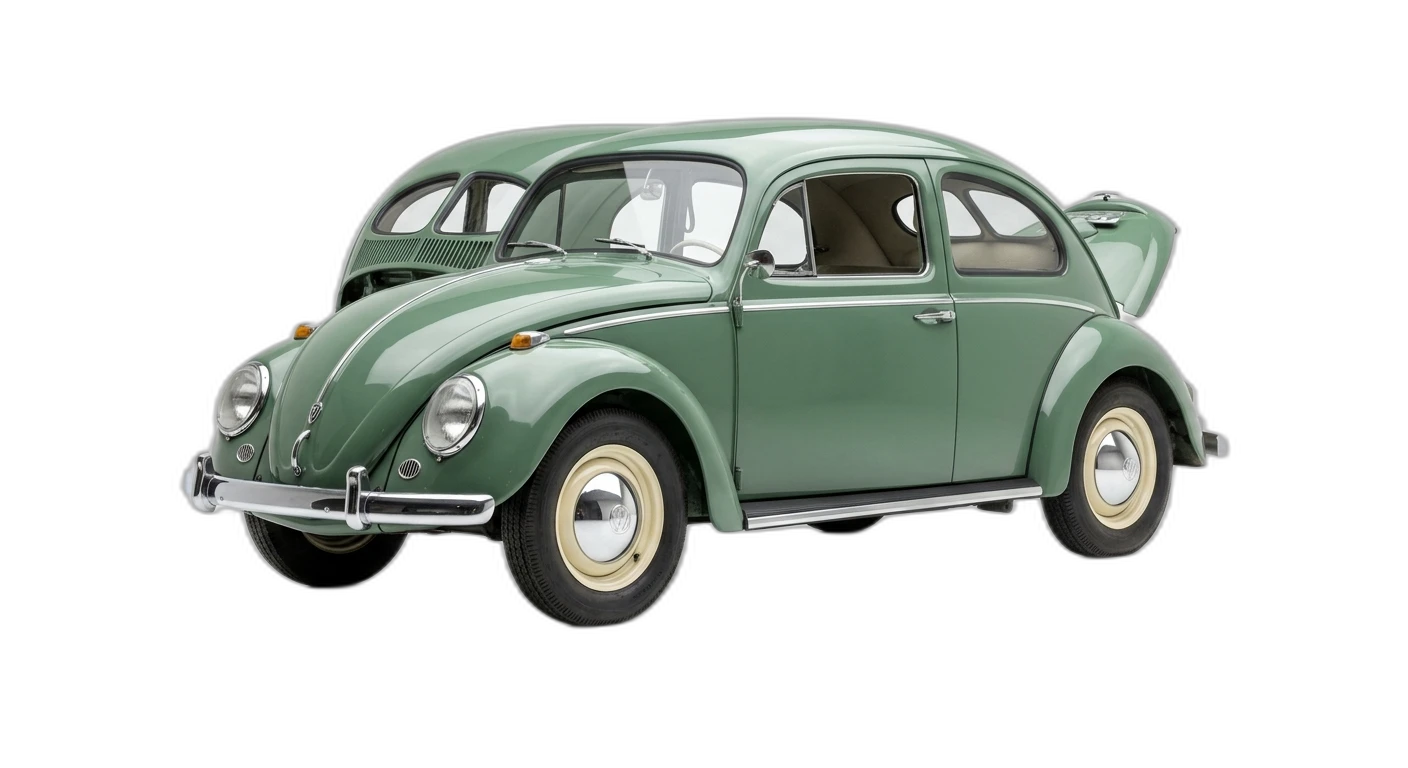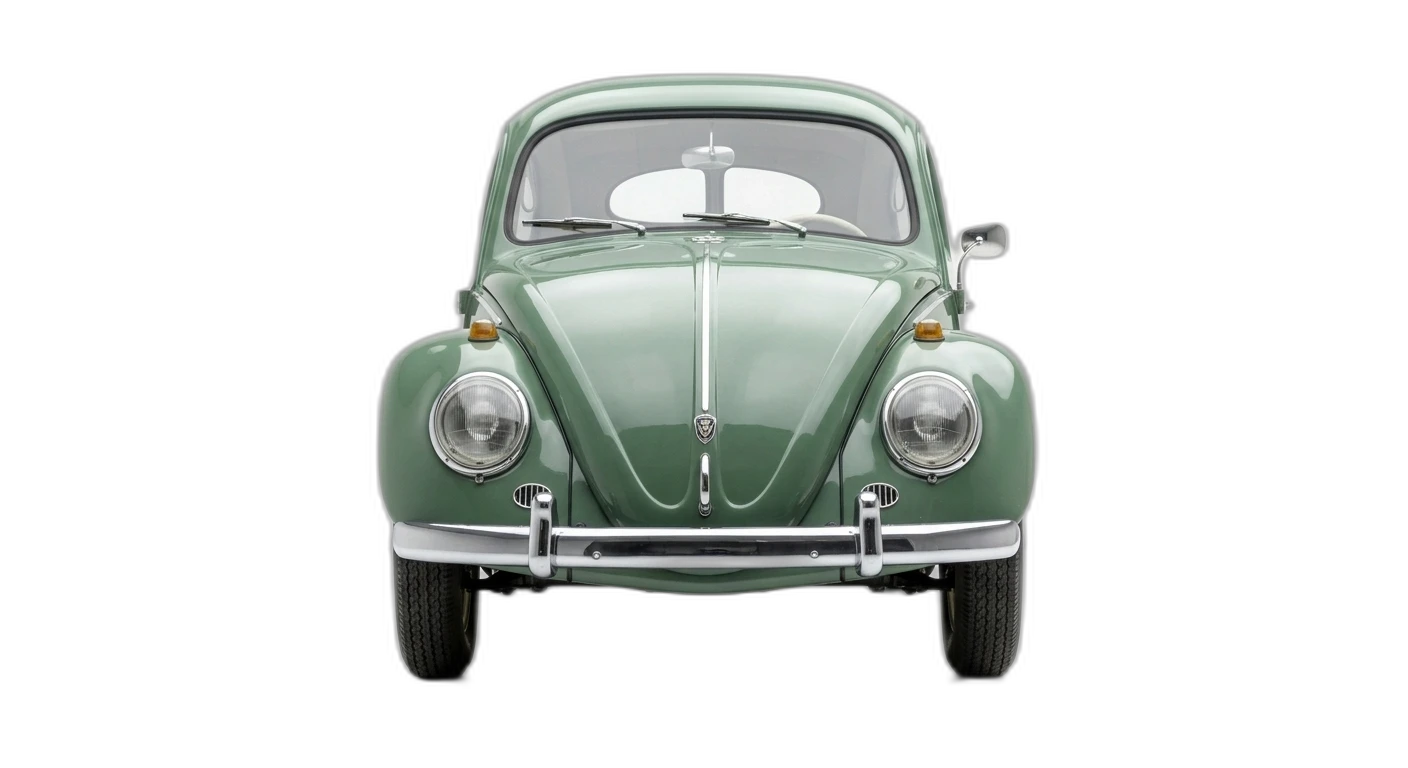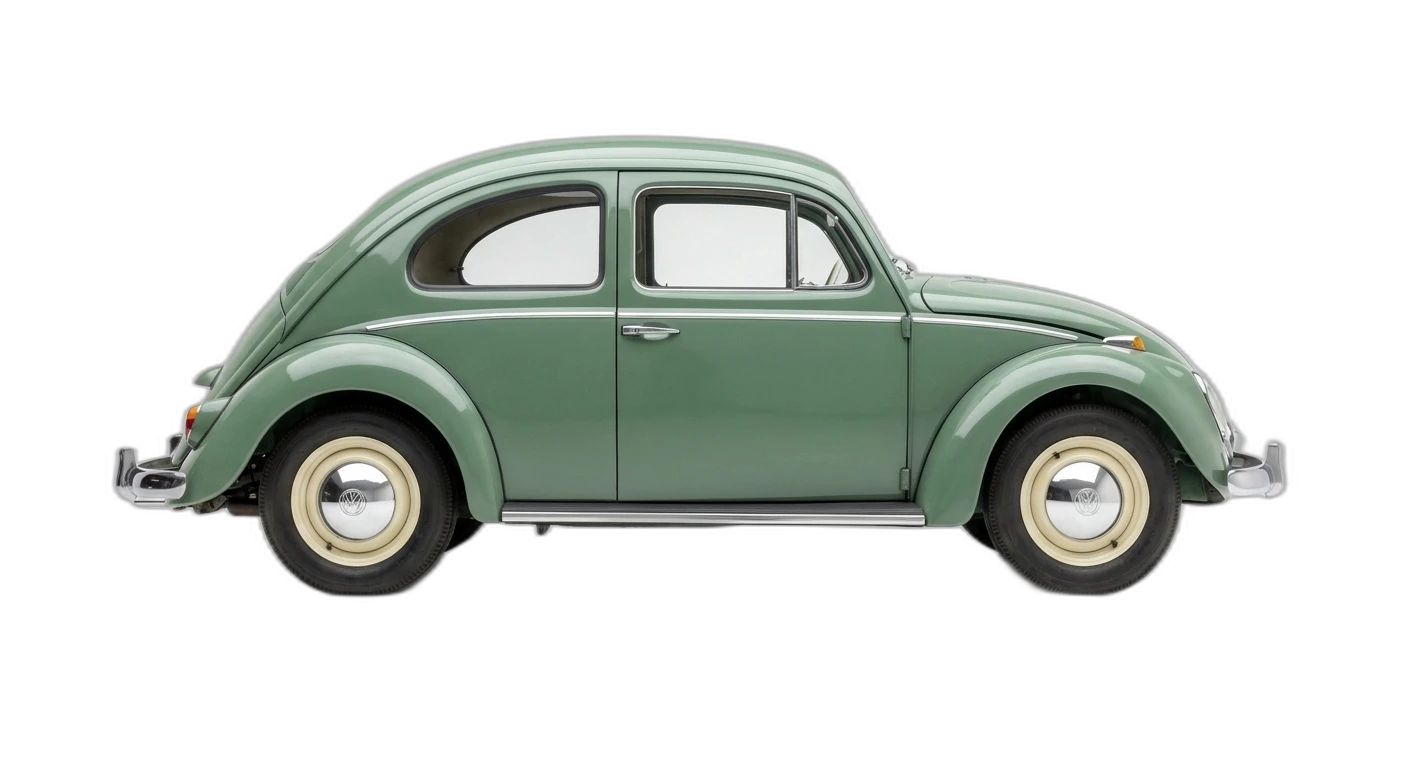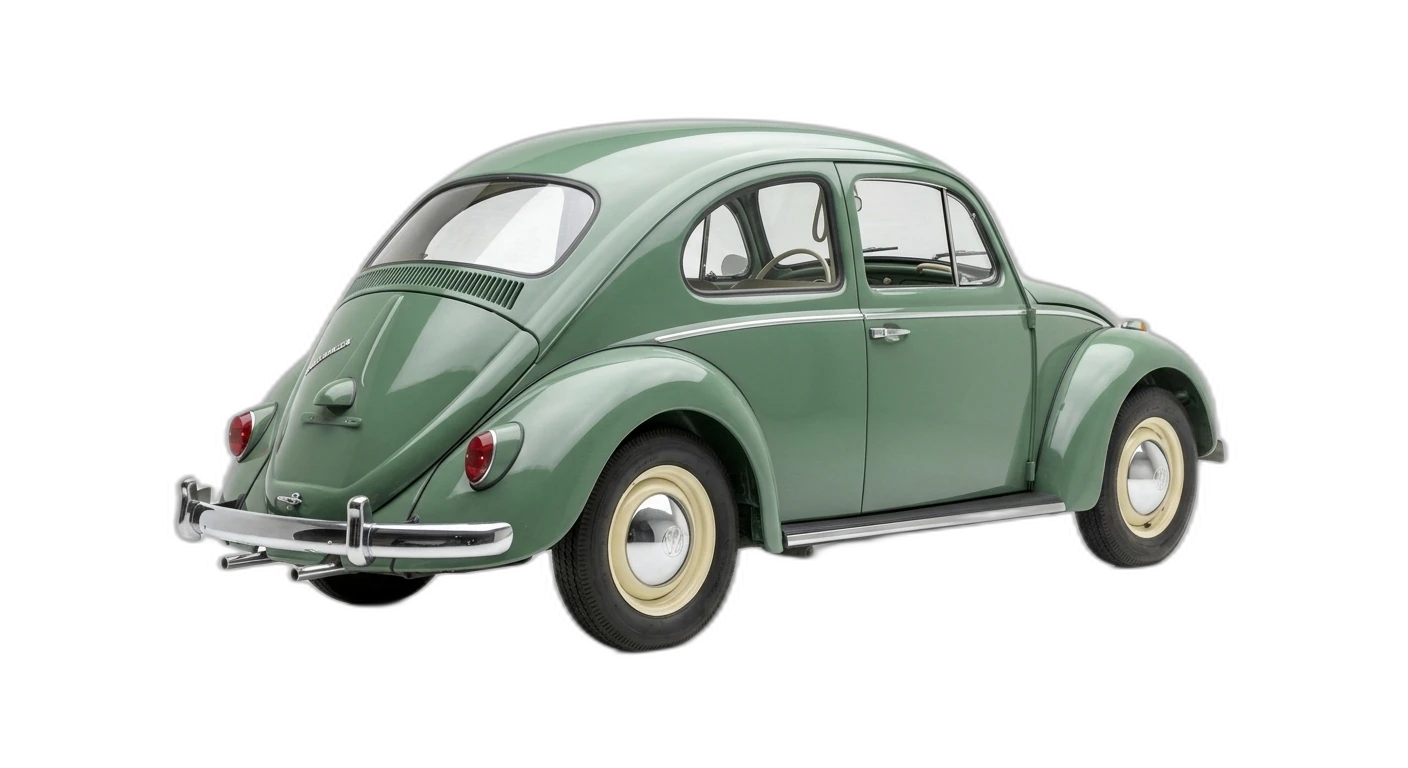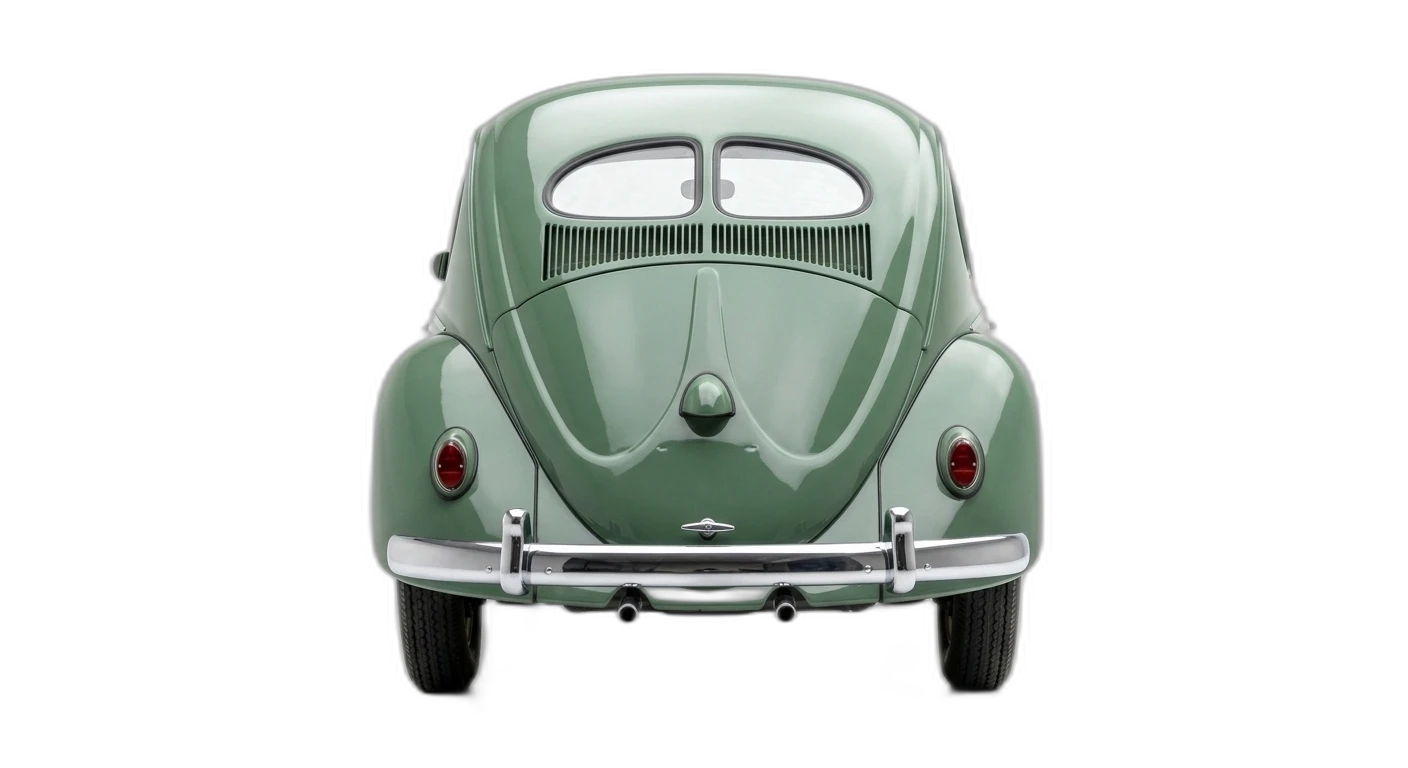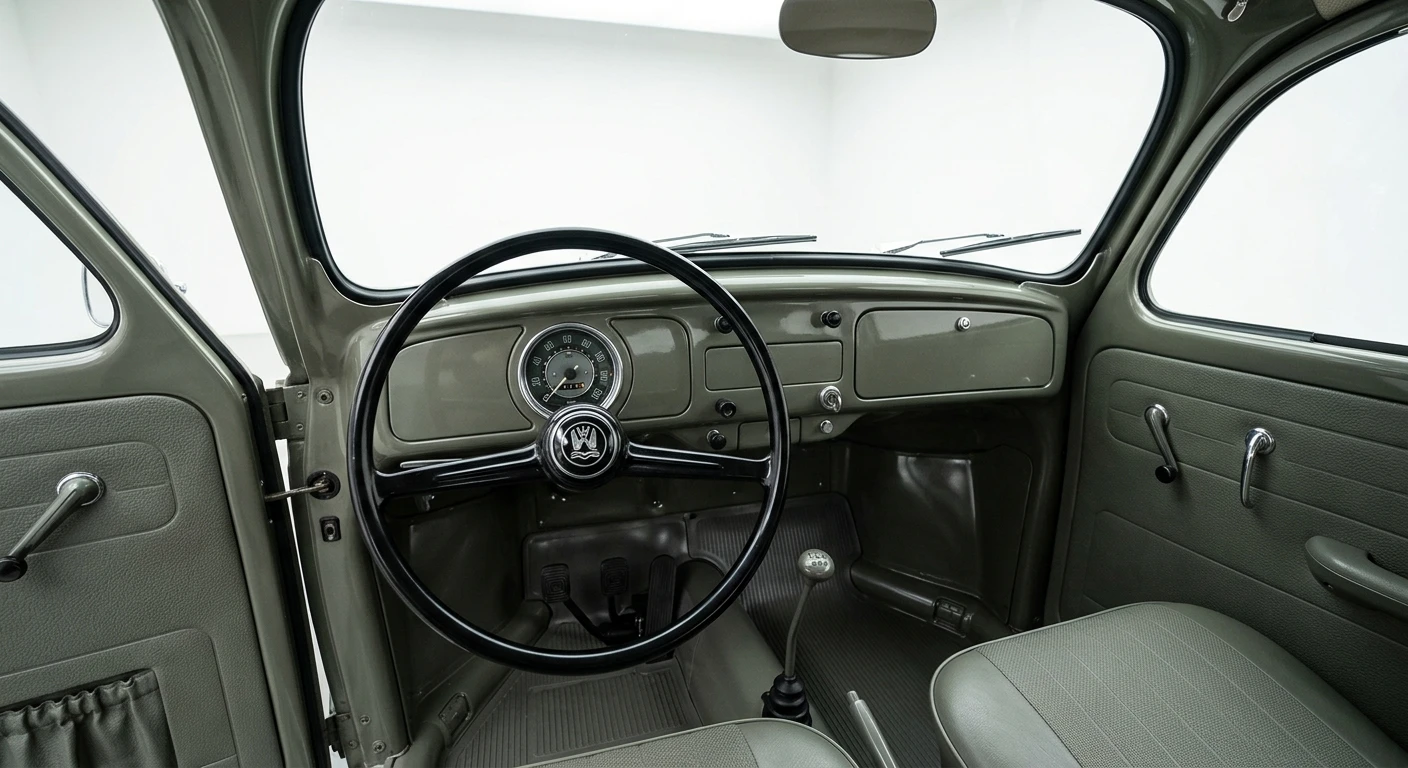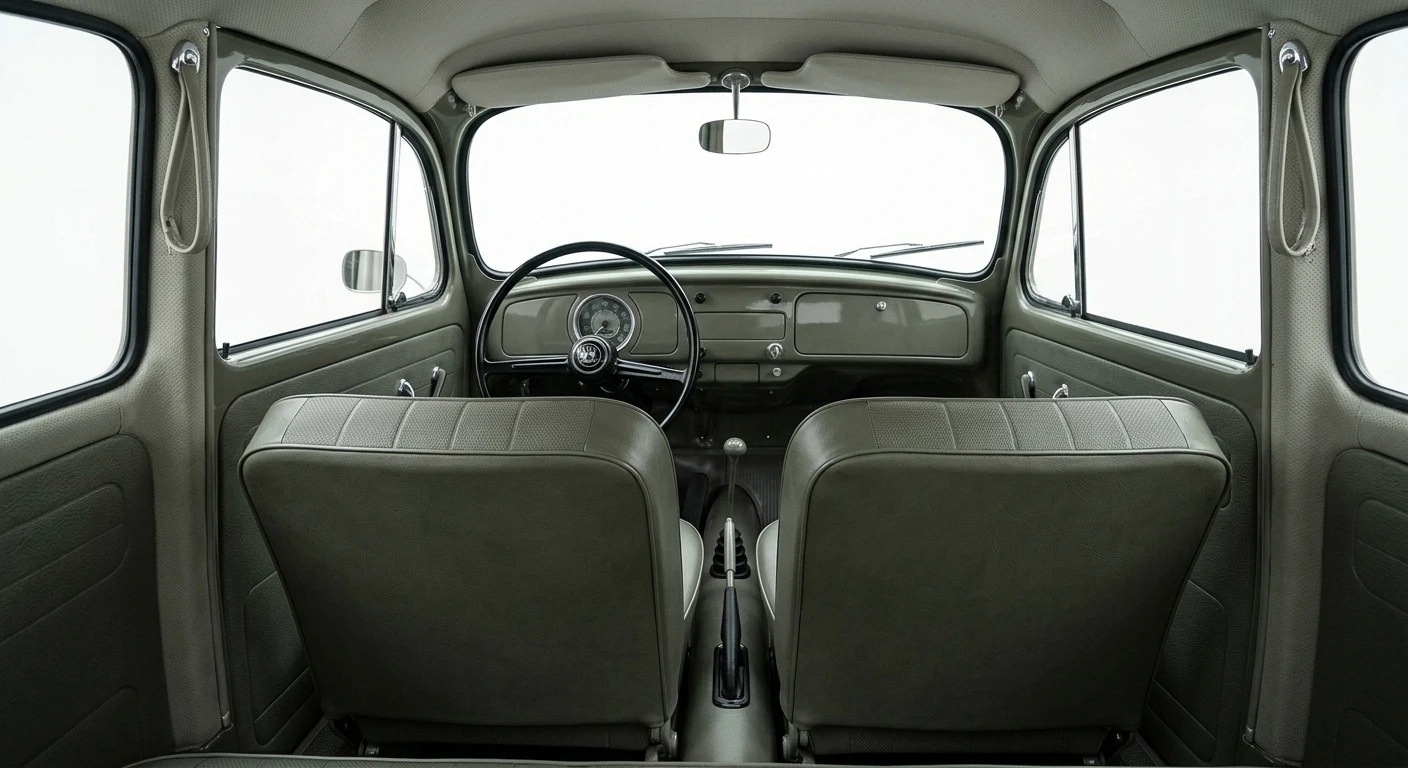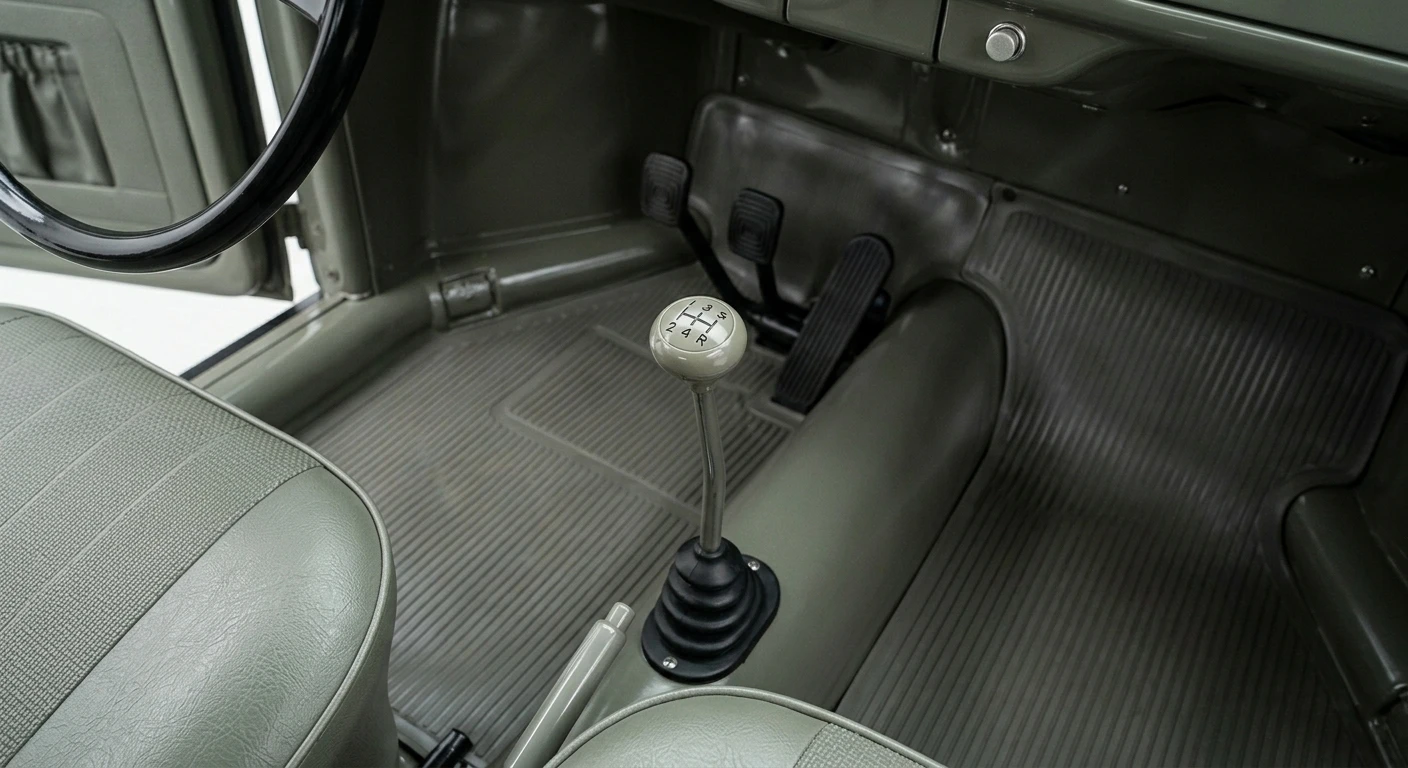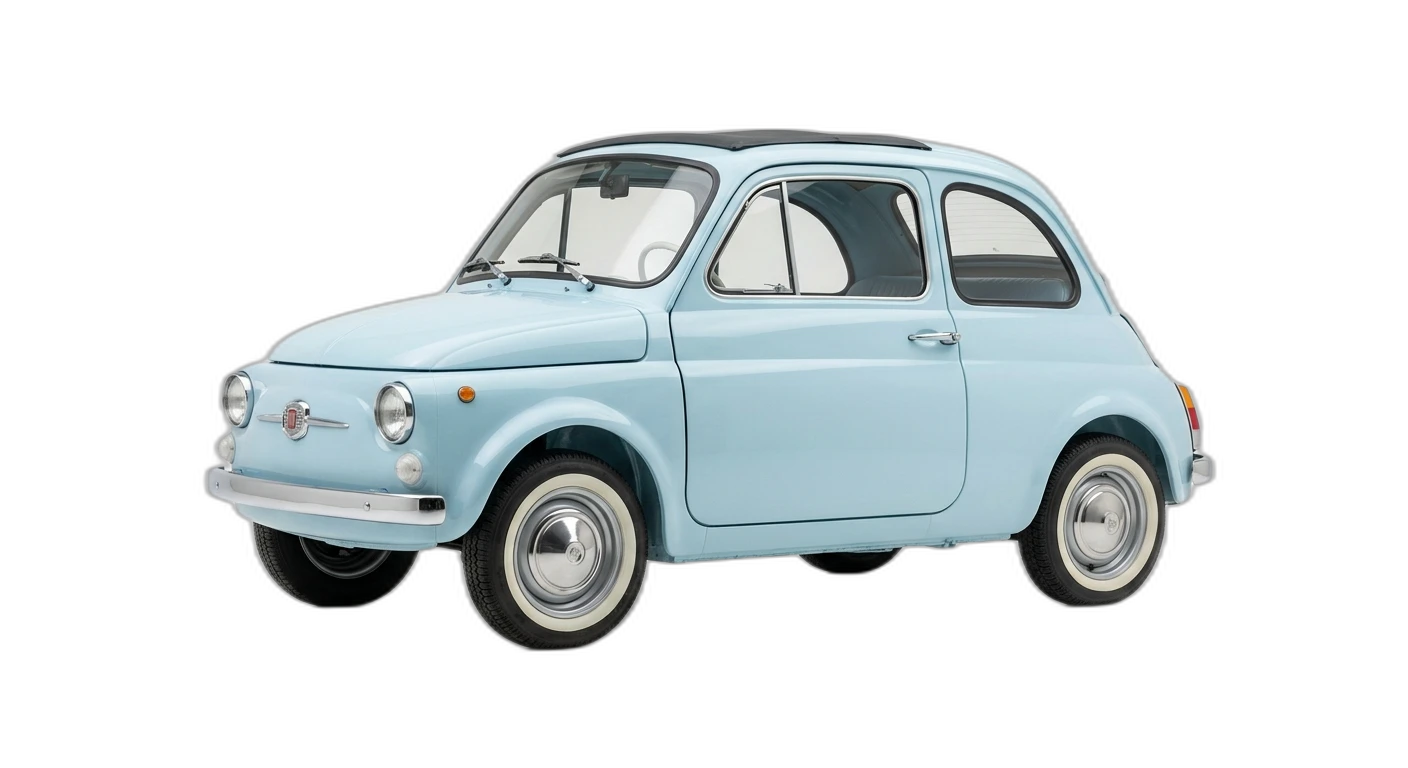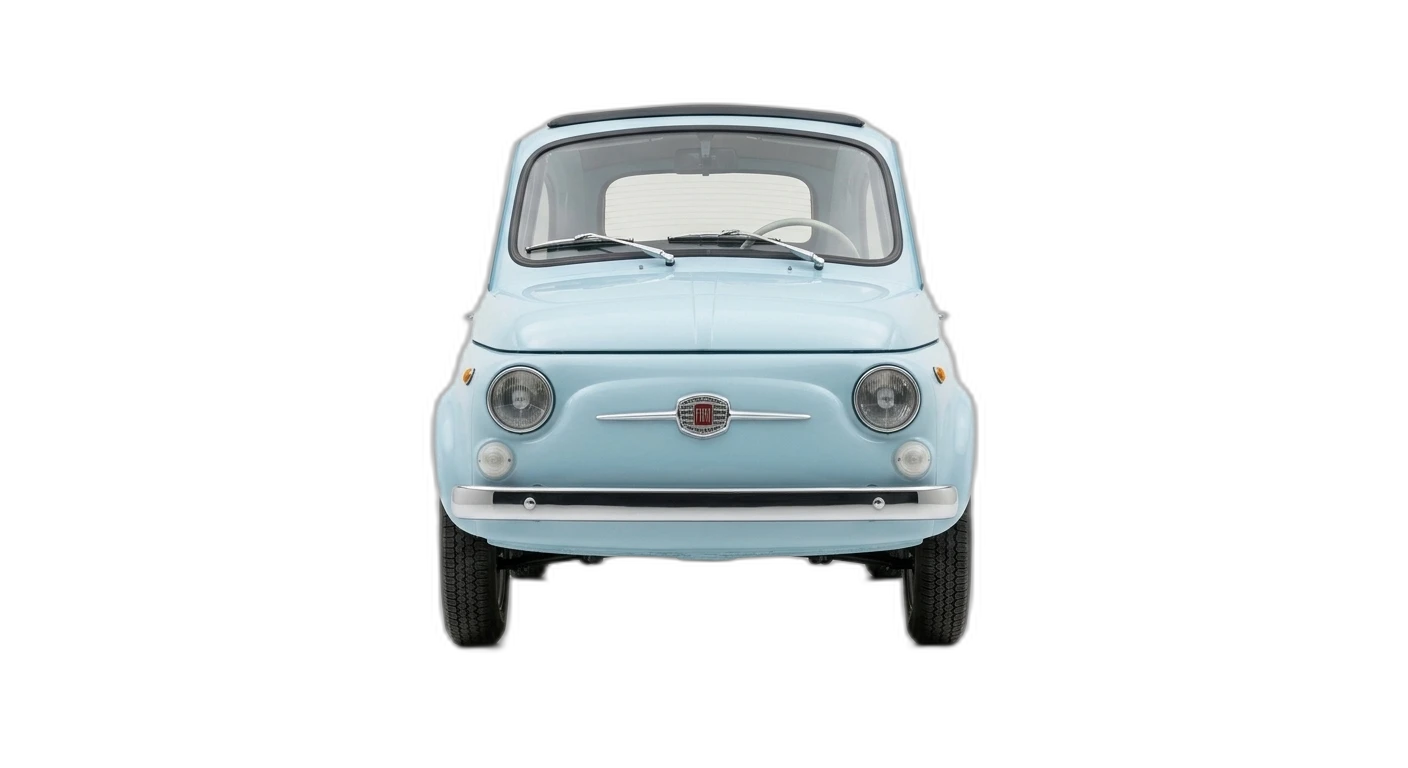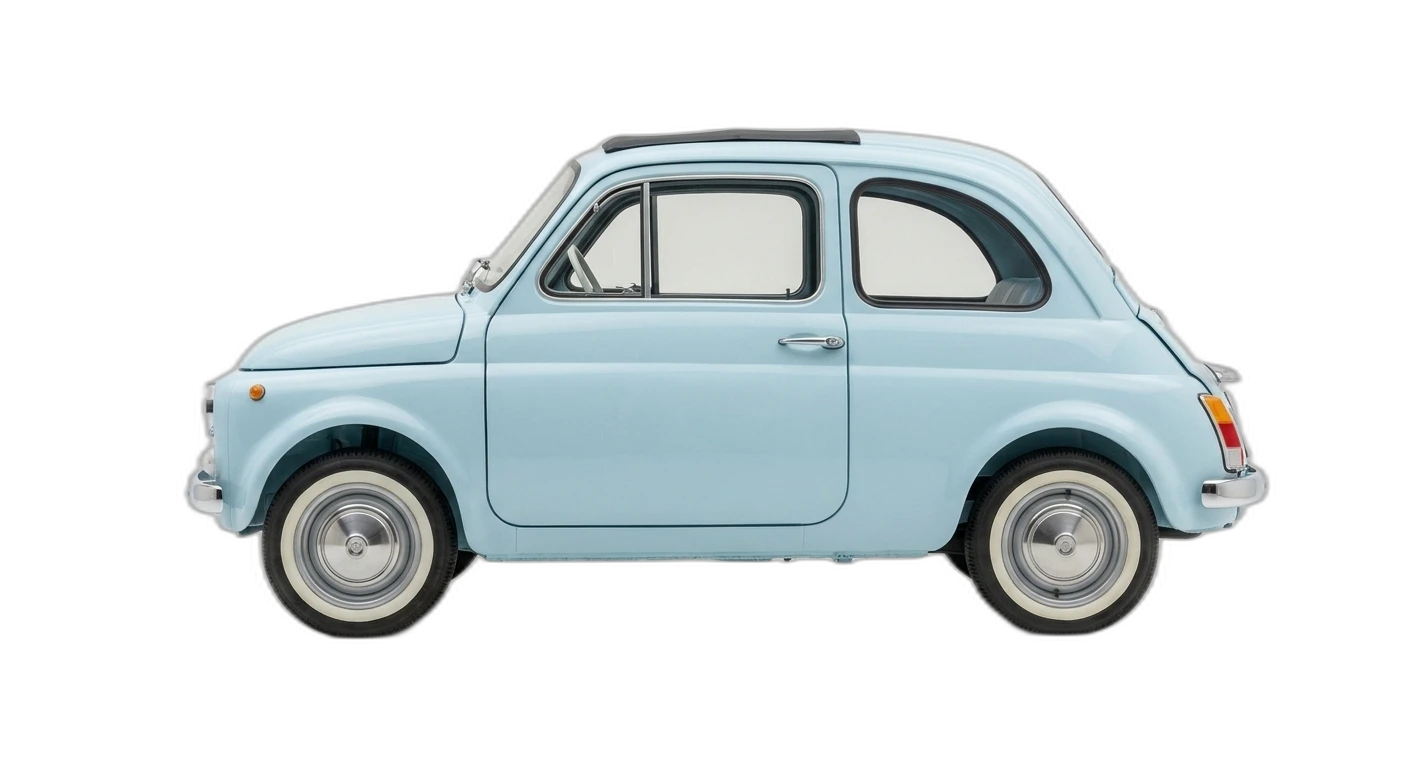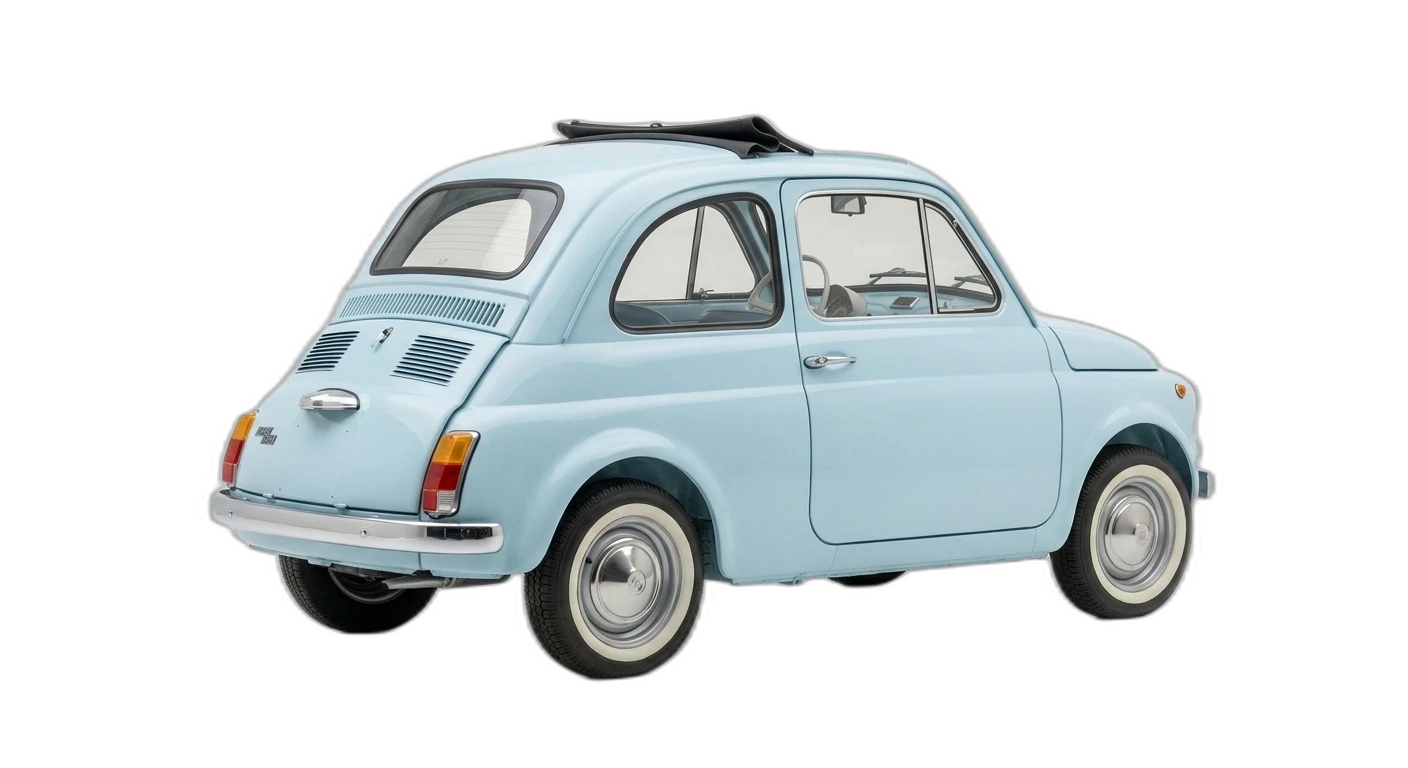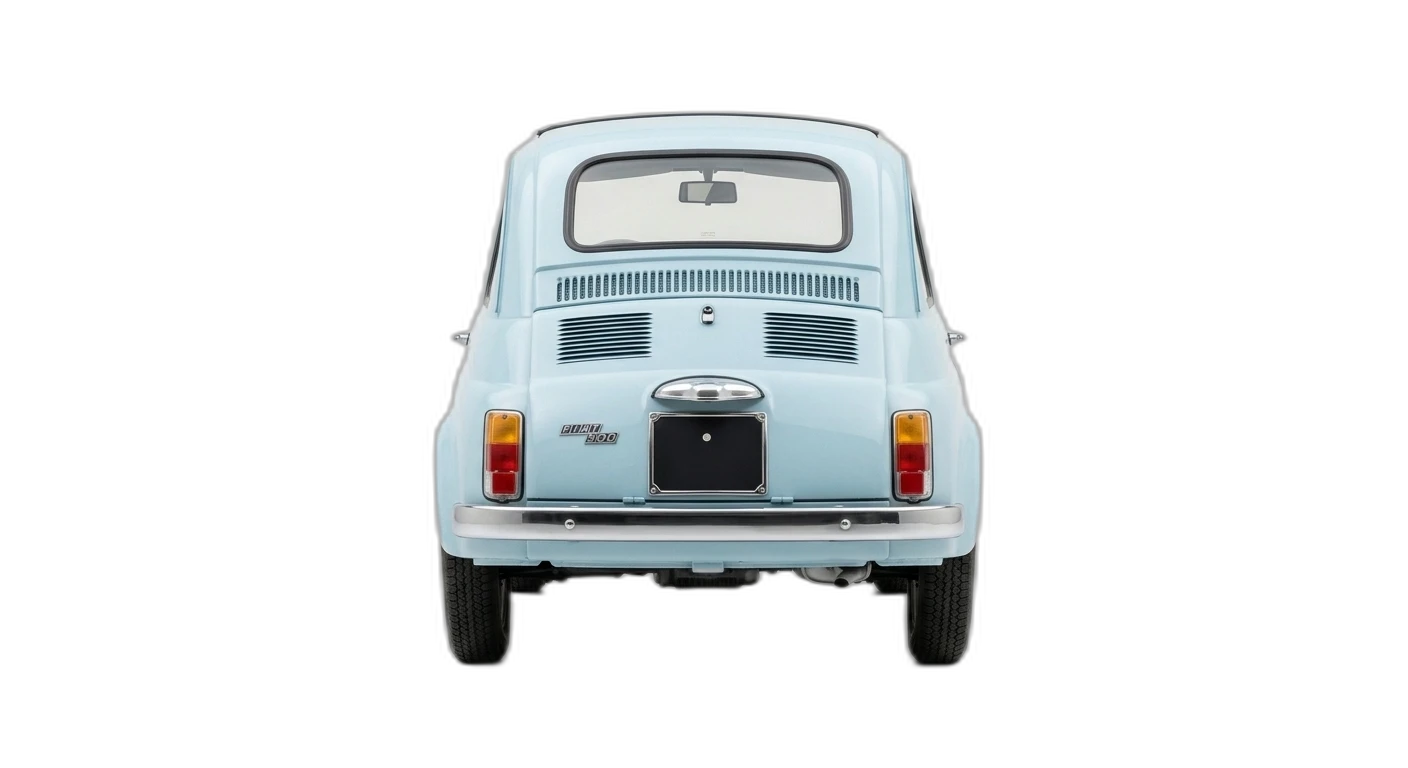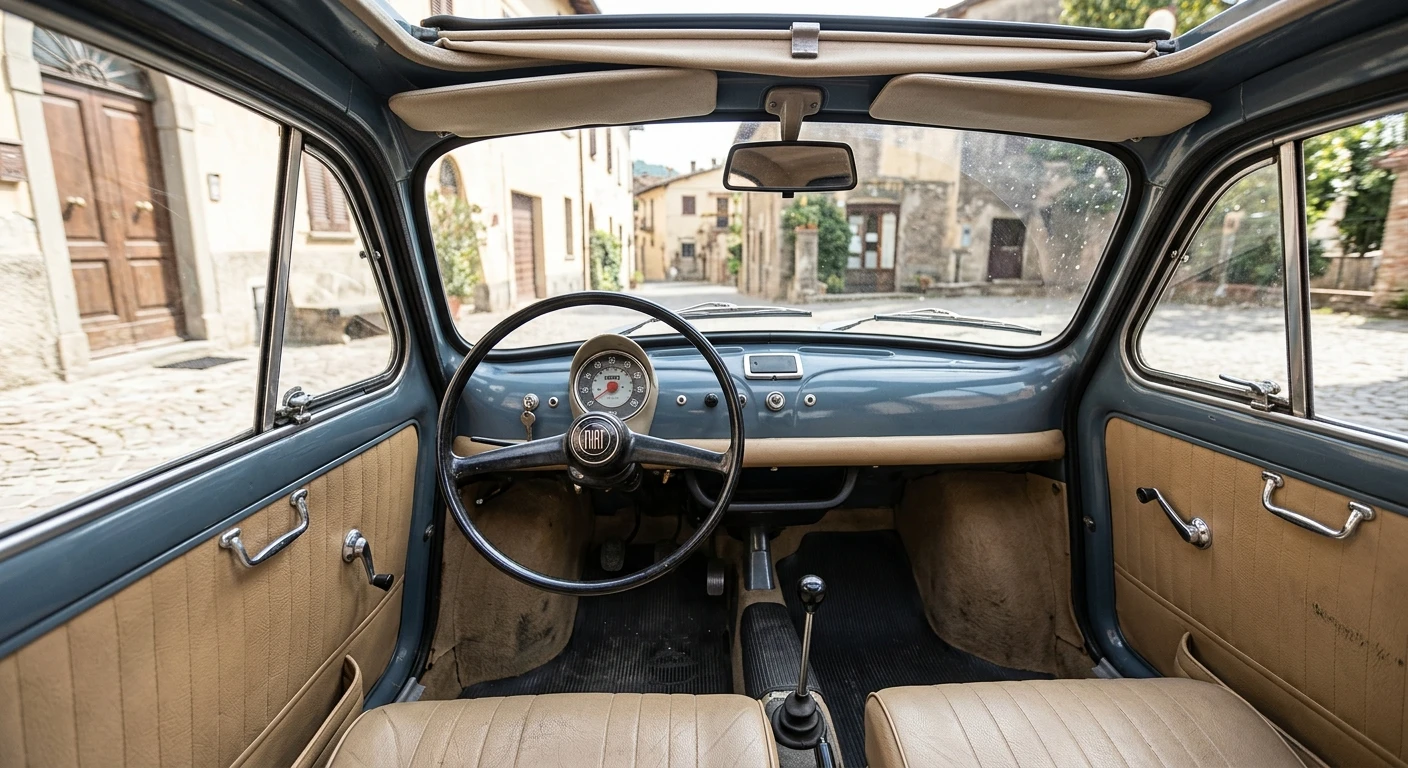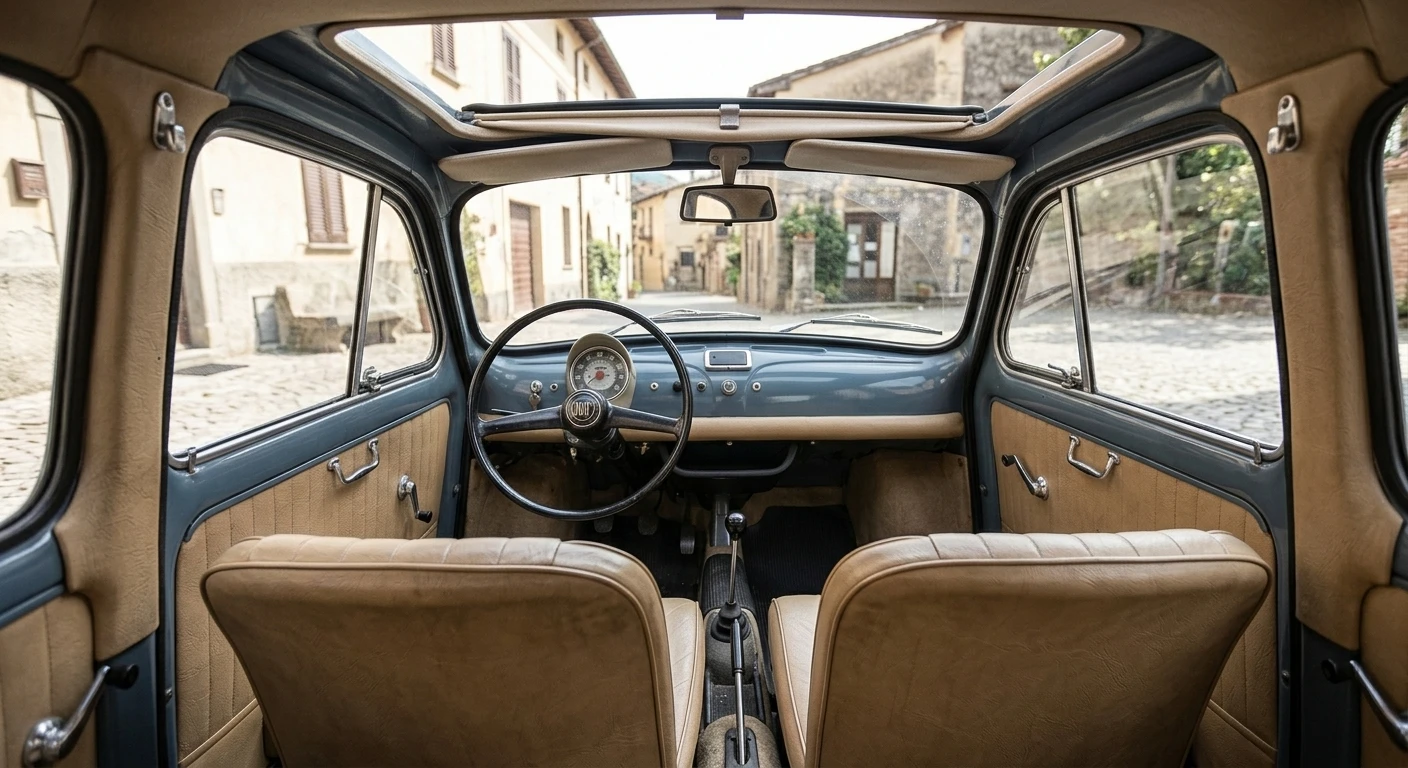

An umbrella on wheels. 42 years of production, 3.9 million built. Pierre Boulanger's brief was to carry four people and 50 kg of potatoes across a ploughed field without breaking the eggs on the seat. The result motorized rural France and became a counterculture icon.
History
Pierre Boulanger, Citroen's managing director, defined the 2CV's brief in 1935: carry four people and 50 kg of goods at 60 km/h with fuel consumption of 3 liters per 100 km. The car must be able to cross a ploughed field without breaking a basket of eggs on the seat.
Flaminio Bertoni designed the corrugated body panels and the roll-back canvas roof that opened from windshield to trunk. The air-cooled flat-twin engine was so simple that a farmer could repair it with basic tools.
The 2CV debuted at the 1948 Paris Motor Show to ridicule from the press. But French farmers bought it immediately. The interconnected suspension, using horizontal springs connecting front and rear wheels, gave ride comfort that contradicted the car's simplicity.
3,872,583 were built across 42 years. The 2CV became a symbol of French bohemian life, student protests in 1968, and anti-consumerist values. Its status as a cultural icon is comparable to the VW Beetle and Fiat 500.
Clean 2CVs now command EUR 10,000 to EUR 25,000.
Production & Heritage
Value estimates are editorial assessments based on recent auction results and market trends.
Technical Specifications
Engine Details
Performance
Tags
Designed by Flaminio Bertoni / Pierre Boulanger