
Turbo Era
Forced induction rewrote the rules. The Porsche 959's sequential turbos, Lancia Delta's rally-bred boost, Renault's mid-mounted madness, and Audi's Quattro turbo five-cylinders.
54 vehicles
Before turbocharging, more power meant more displacement. After turbocharging, a 1.4-liter engine could embarrass a V8. Forced induction didn't just add power - it democratized it. The cars in this collection trace the arc from rally-stage weapon to everyday technology, through four decades of boost pressure and engineering ambition.
The Rally Crucible
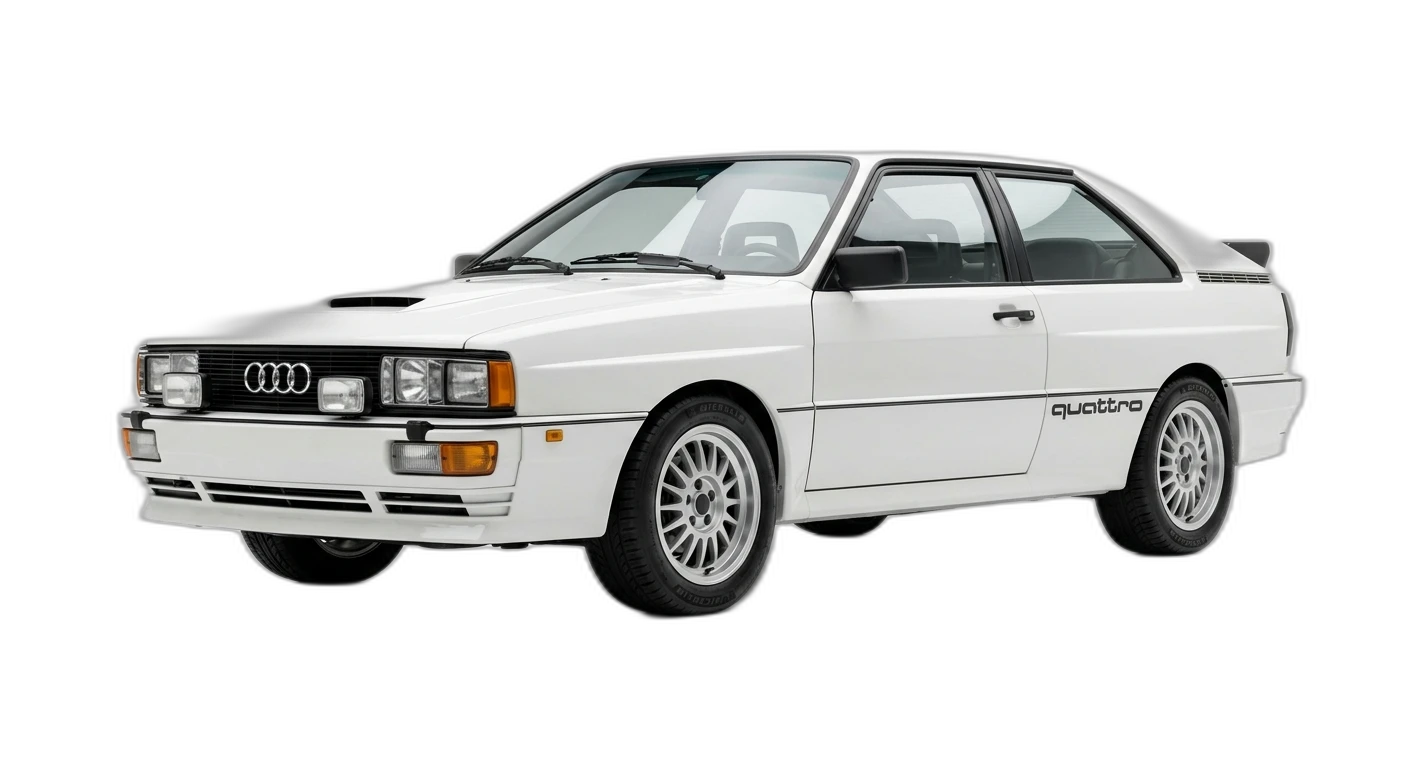
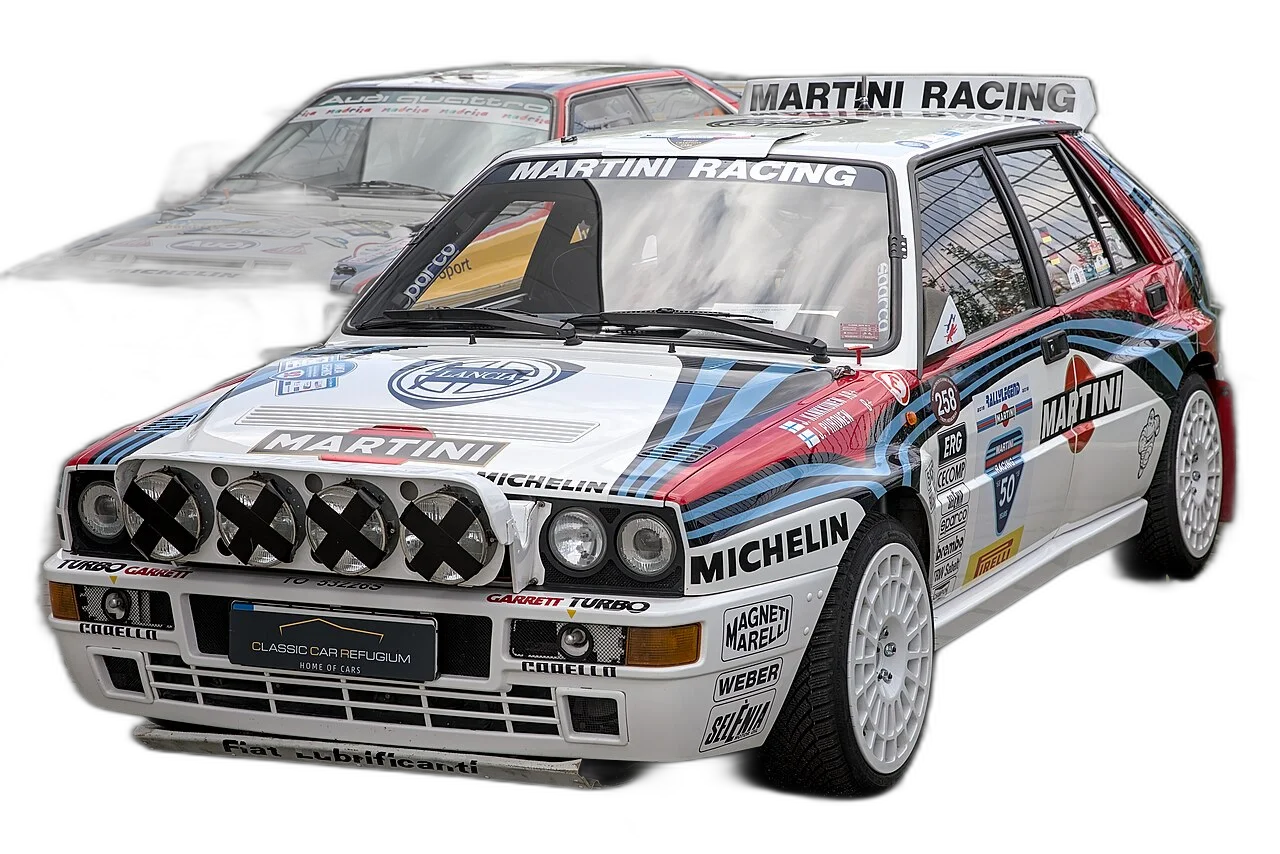
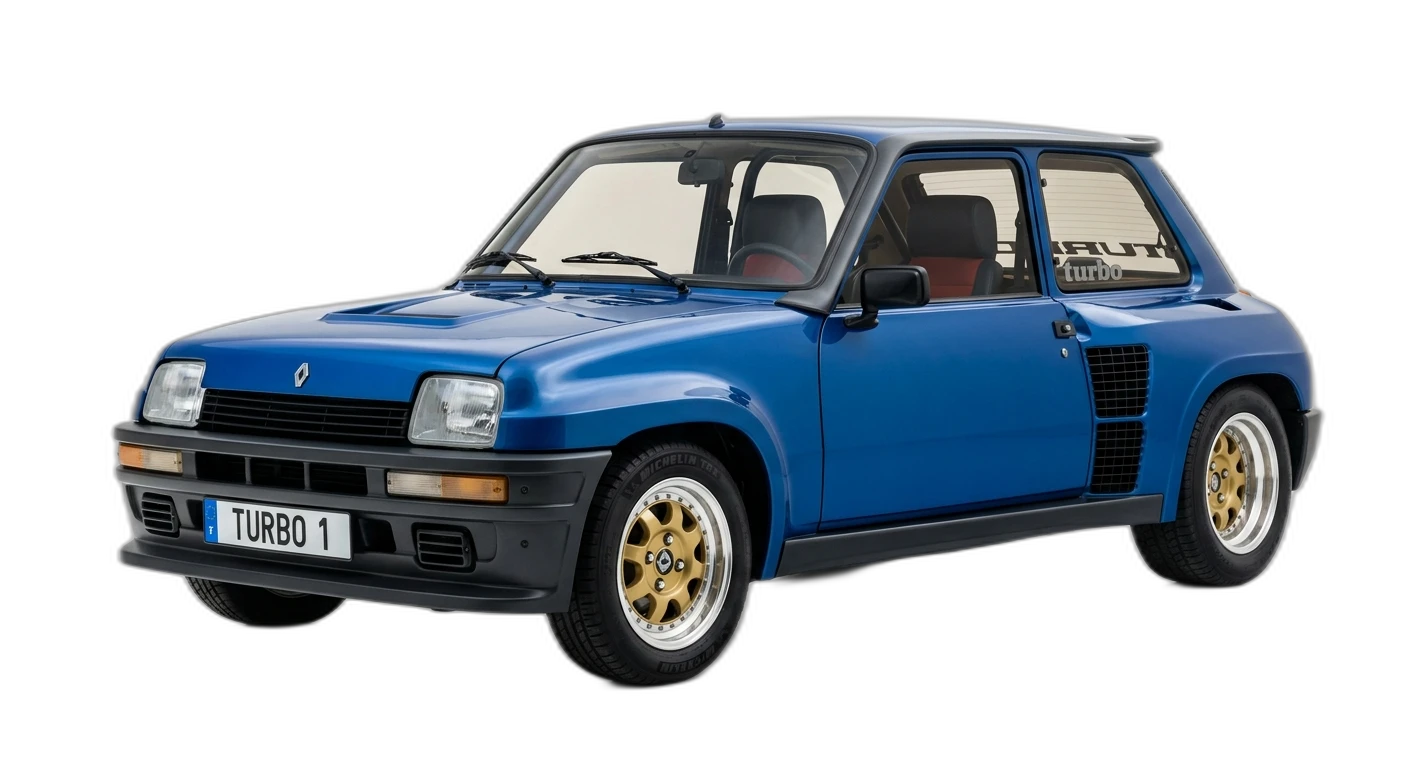
Turbocharging entered the European mainstream through rallying. Audi's Ur-Quattro proved that a turbocharged five-cylinder with all-wheel drive could destroy every naturally aspirated competitor. The Lancia Delta Integrale refined the formula into six consecutive WRC titles. And the Renault 5 Turbo put the engine behind the driver, creating a mid-engined city car that could humiliate Porsches on mountain roads. Group B was the laboratory. These were the graduates.
The Technology Race
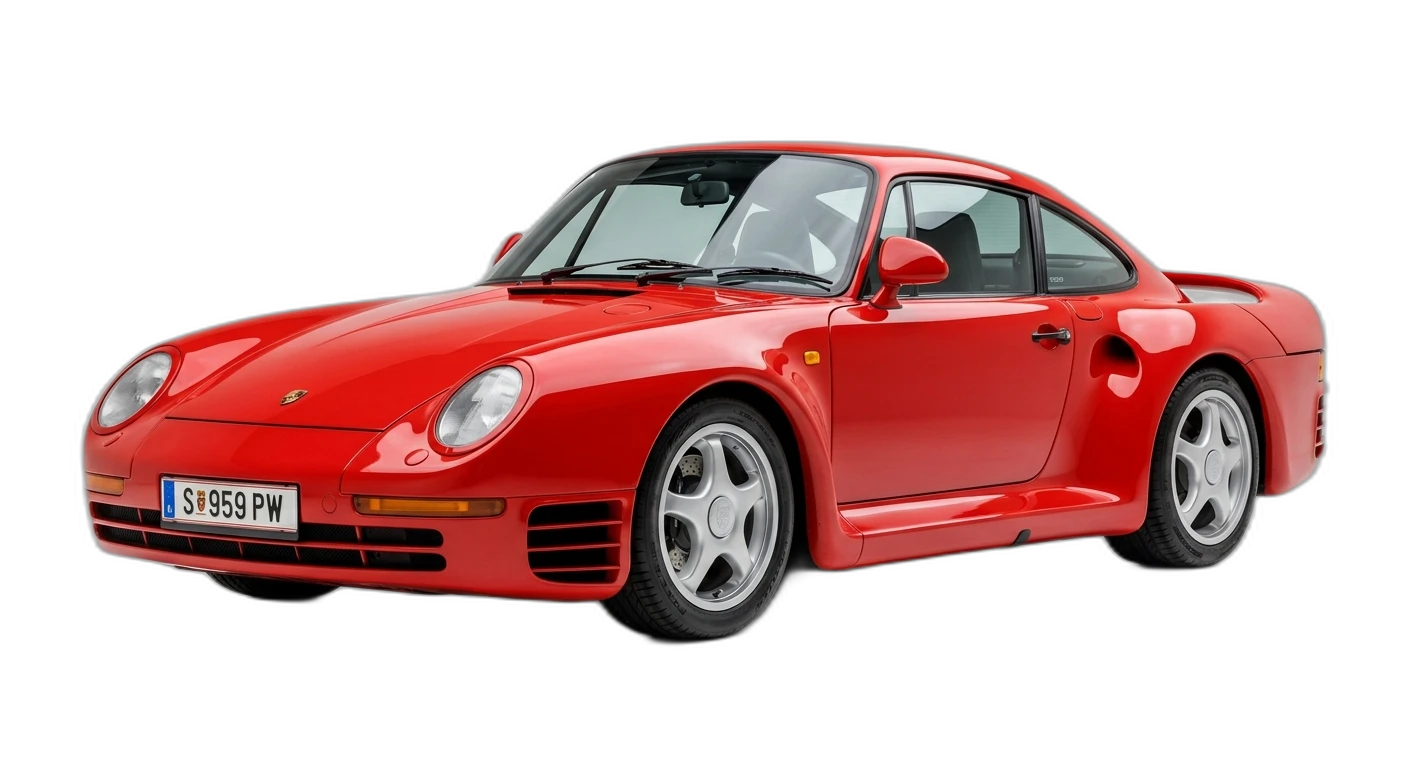
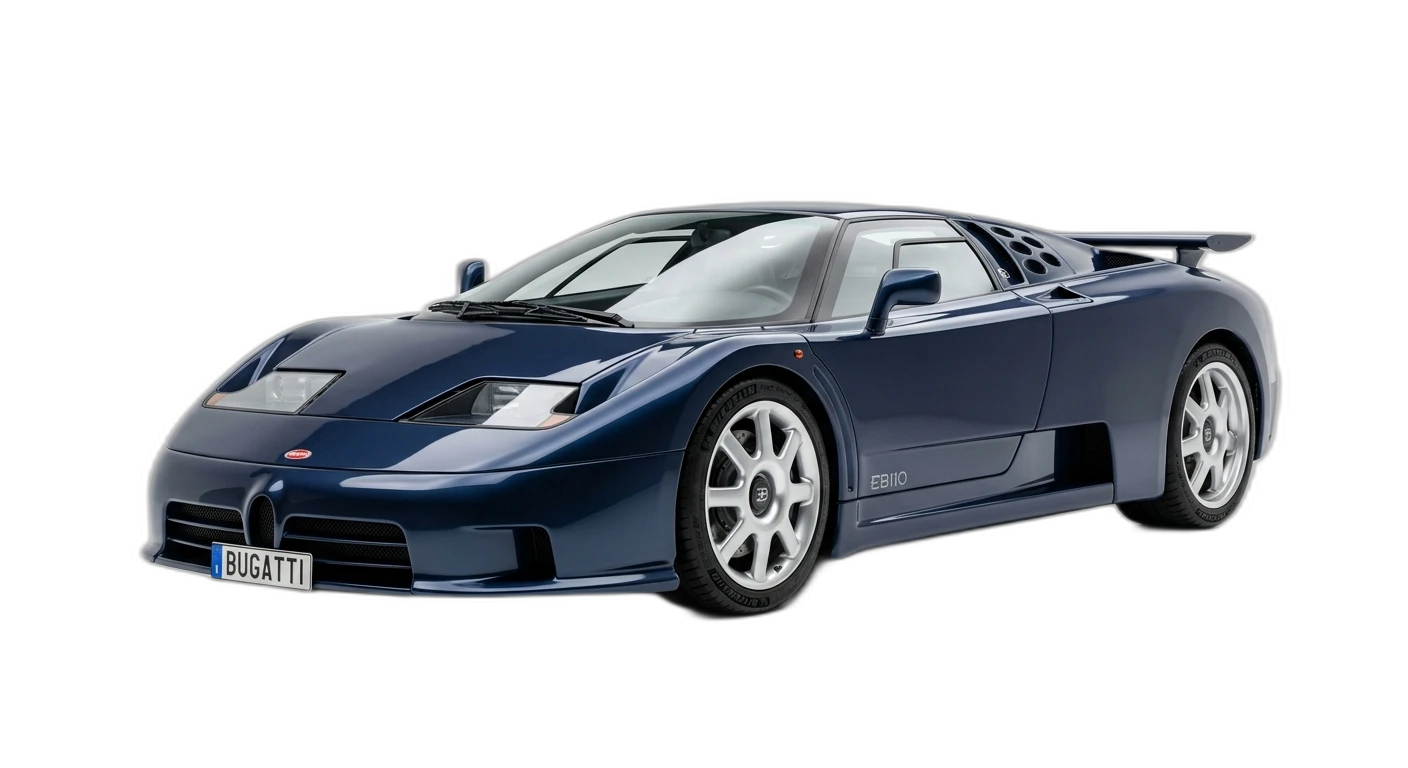
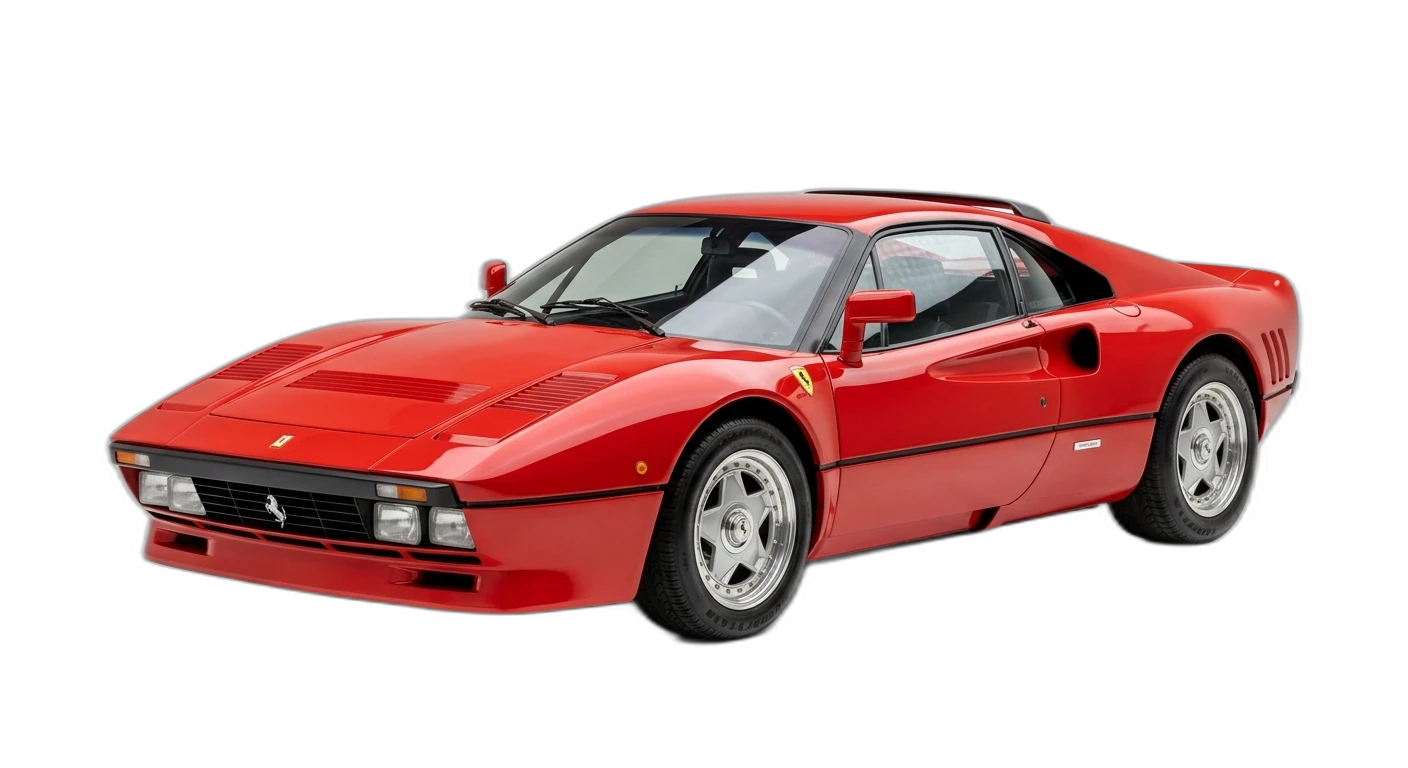
The Porsche 959 introduced sequential twin-turbocharging in 1986 - a small turbo for instant response, a large turbo for top-end power. The Bugatti EB110 went further with four turbochargers feeding a 3.5-liter V12. The Ferrari 288 GTO used twin IHI turbos to extract 400 hp from 2.8 liters. Each car pushed the boundaries of what forced induction could achieve, and each solution was completely different.
Turbo Goes Mainstream
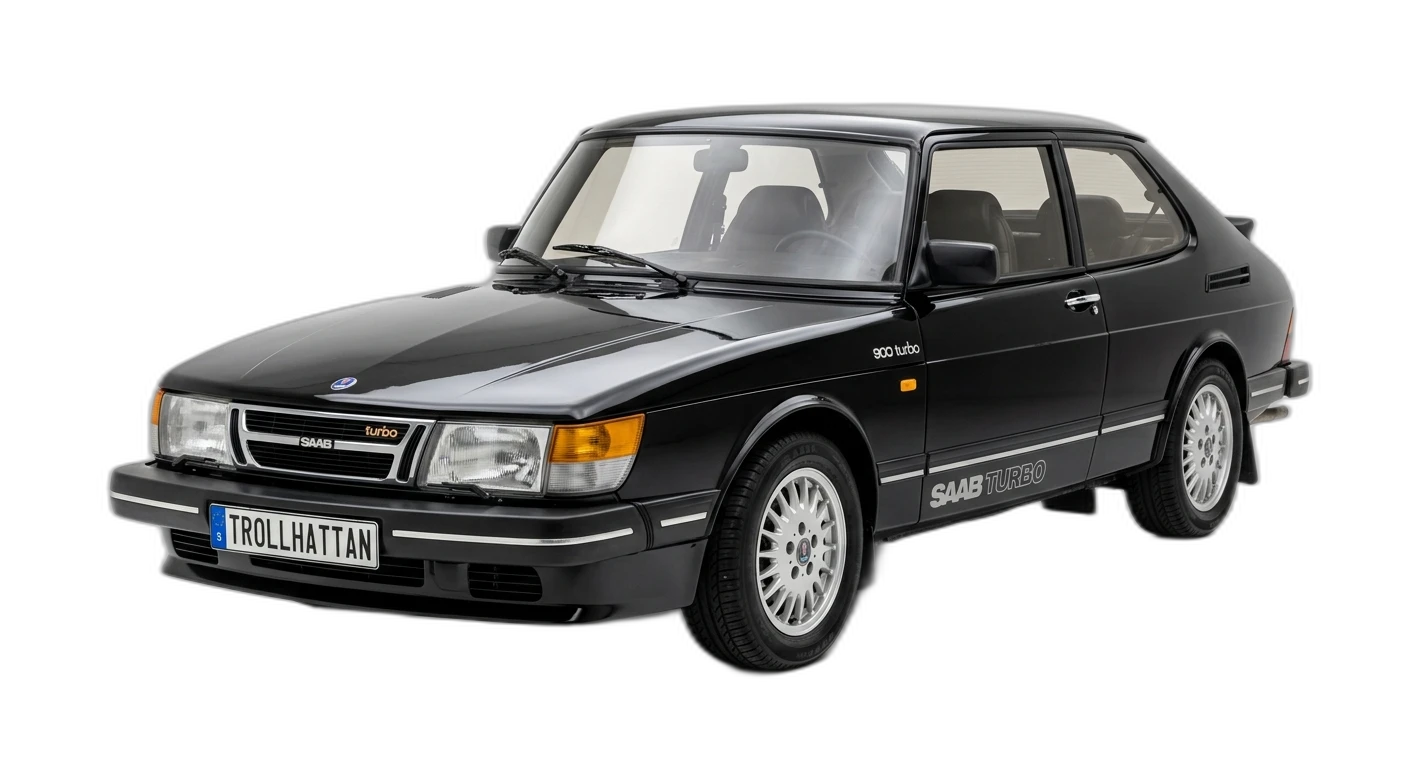
By the 2000s, turbocharging was no longer exotic - it was expected. Audi's TFSI engines brought direct injection and turbocharging to every model in the lineup. BMW's N55 and B58 turbocharged sixes replaced the naturally aspirated icons. The Saab 900 Turbo had pioneered this transition decades earlier - proving that a turbocharged four-cylinder could make a practical car exciting without sacrificing daily usability.
The turbo era never really ended - it won. Today, virtually every performance car uses forced induction. The naturally aspirated engine is the exception, not the rule. But the cars that pioneered turbocharging did something the modern turbo cars cannot: they made boost feel dangerous, unpredictable, and thrilling. Turbo lag wasn't a flaw. It was foreplay.