
Design Icons
Cars remembered as much for how they looked as how they drove. The Countach's wedge, the Testarossa's strakes, the TT's Bauhaus circles, the DS's spacecraft silhouette, the DB5's timeless elegance.
18 vehicles
Some cars transcend their specifications. They become cultural objects - shapes so powerful that they define decades, inspire other industries, and remain instantly recognizable generations after production ended. This collection is about those cars. Not the fastest or the rarest, but the ones whose design changed what we thought a car could look like.
The Italian Sculptors
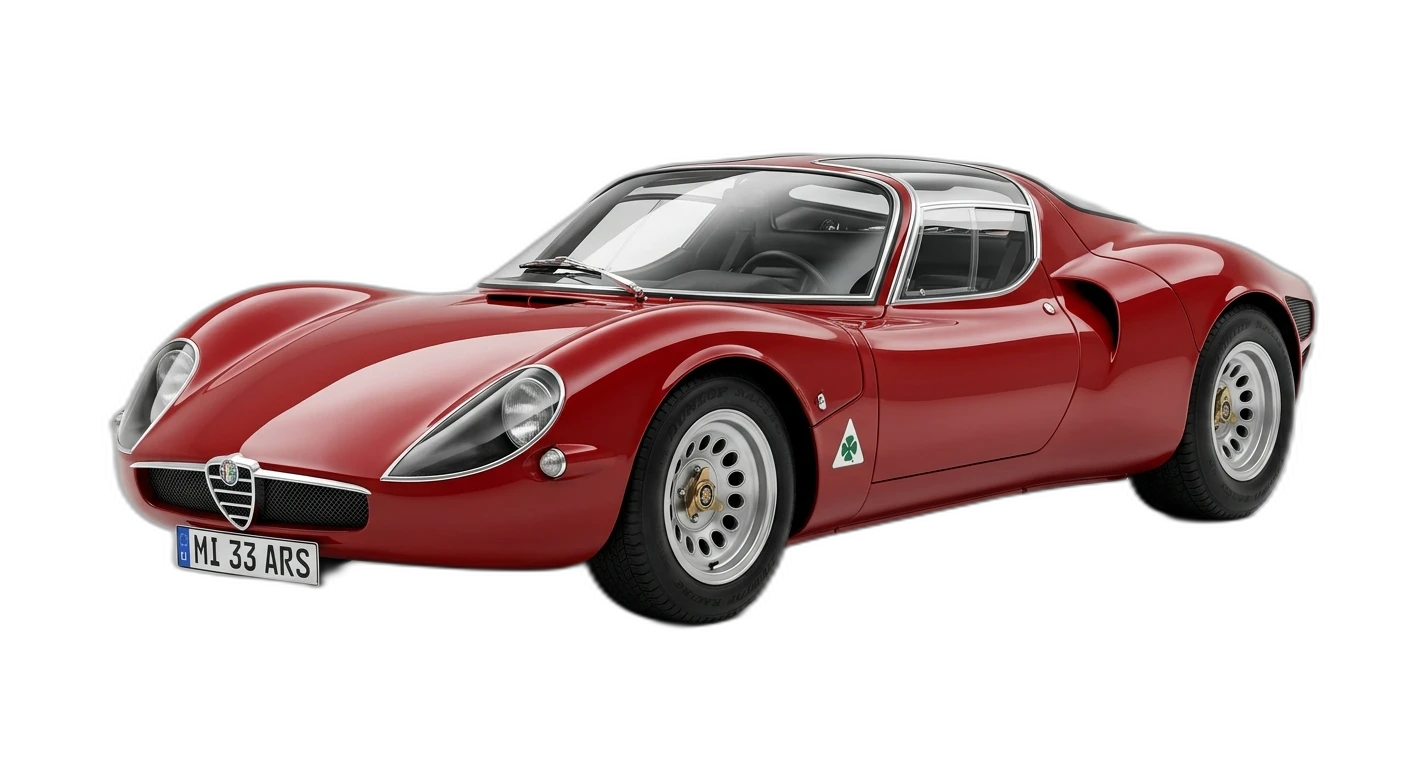
Italian design houses - Pininfarina, Bertone, Giugiaro - treated sheet metal as a medium for sculpture. Marcello Gandini's Countach LP400 established the supercar silhouette in 1971: low nose, dramatic wedge, visible engine. Pininfarina's Testarossa stretched the mid-engine layout to its visual limits with those iconic side strakes. And Franco Scaglione's Alfa Romeo 33 Stradale may be the most beautiful car ever drawn - just 18 were built, each one a work of art.


The German Precision
Where Italian design is emotional, German design is intellectual. The Audi TT applied Bauhaus geometry to a Volkswagen platform and created something that influenced Apple's product design. The BMW Z8 proved that nostalgia and engineering could coexist - Henrik Fisker's aluminum masterpiece honored the 507 without copying it. And the 8 Series E31 proved that a pillarless coupe could have a 0.29 drag coefficient.



The Visionaries
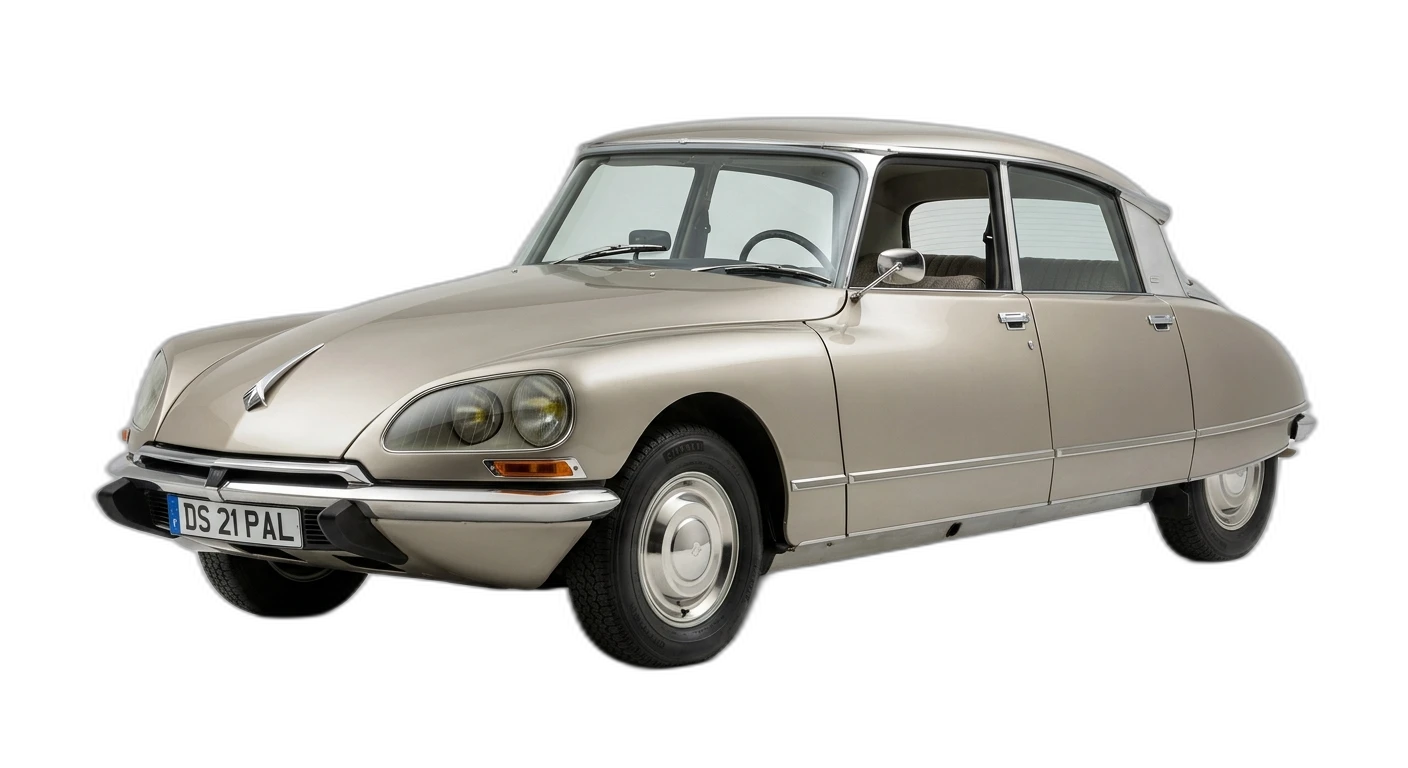
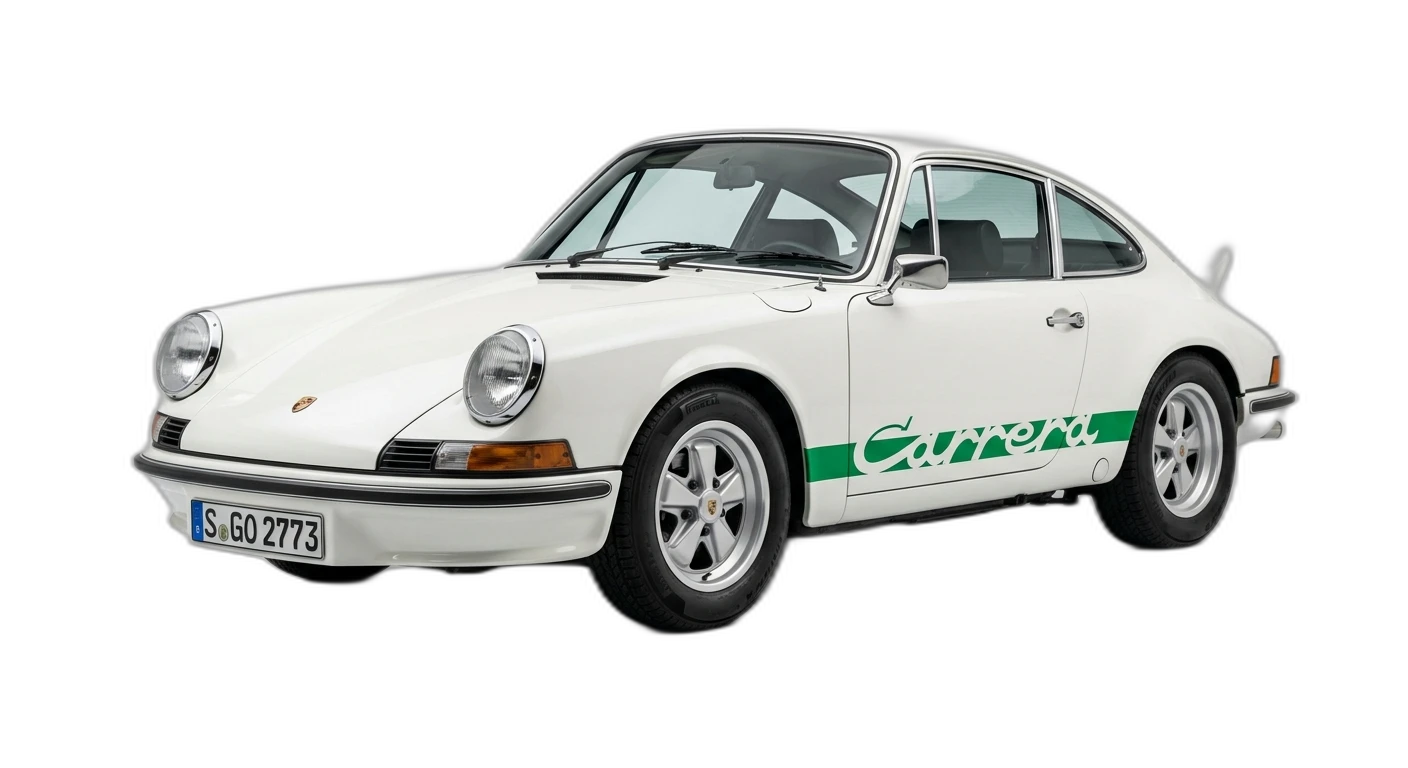
The Citroen DS arrived in 1955 and looked like nothing else on the road - or anything that would follow for decades. Its hydraulic suspension, swiveling headlights, and aerodynamic body were so advanced that Roland Barthes wrote about it as a cultural phenomenon. The Porsche 911 Carrera RS 2.7 with its ducktail spoiler became the template for every performance 911 that followed. And the BMW Z1's drop-down doors remain unique in production car history.

The Modern Icons
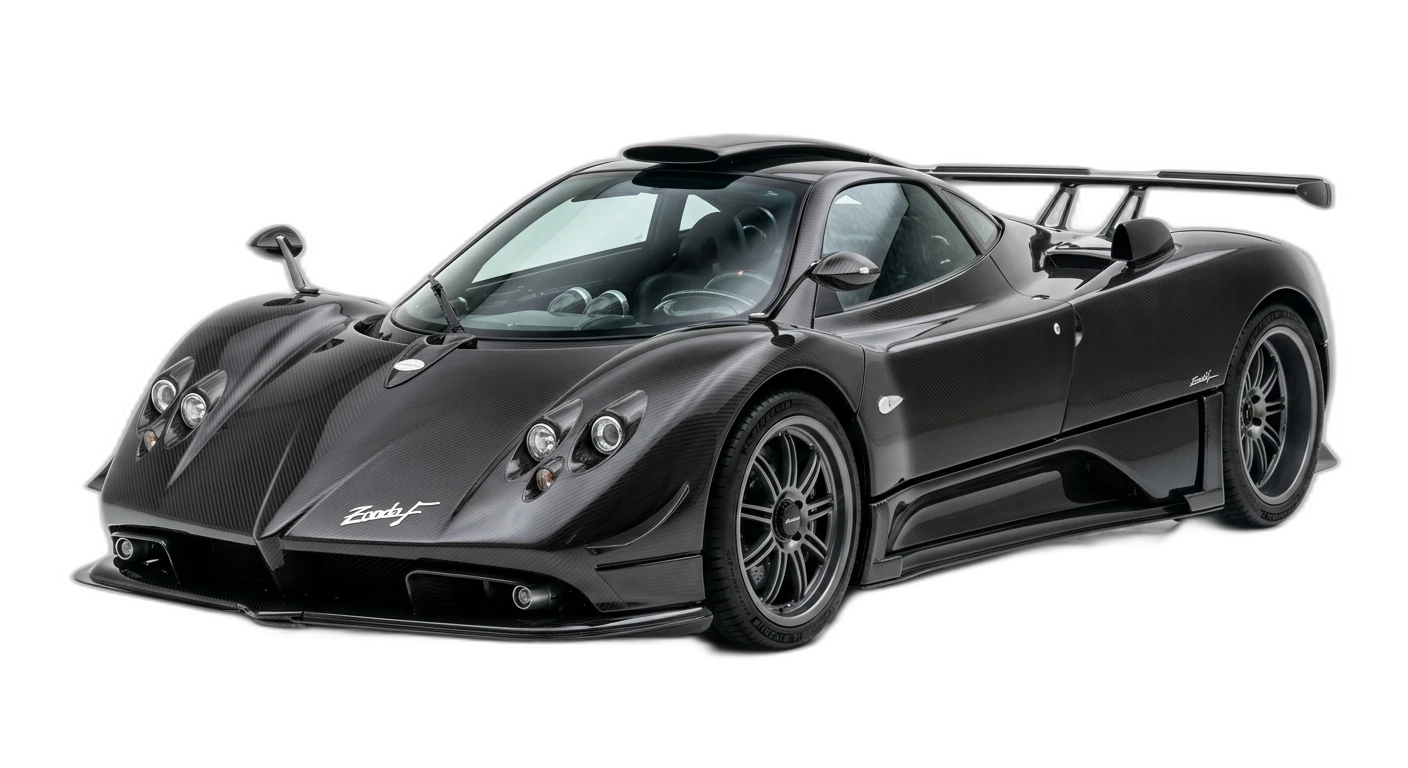
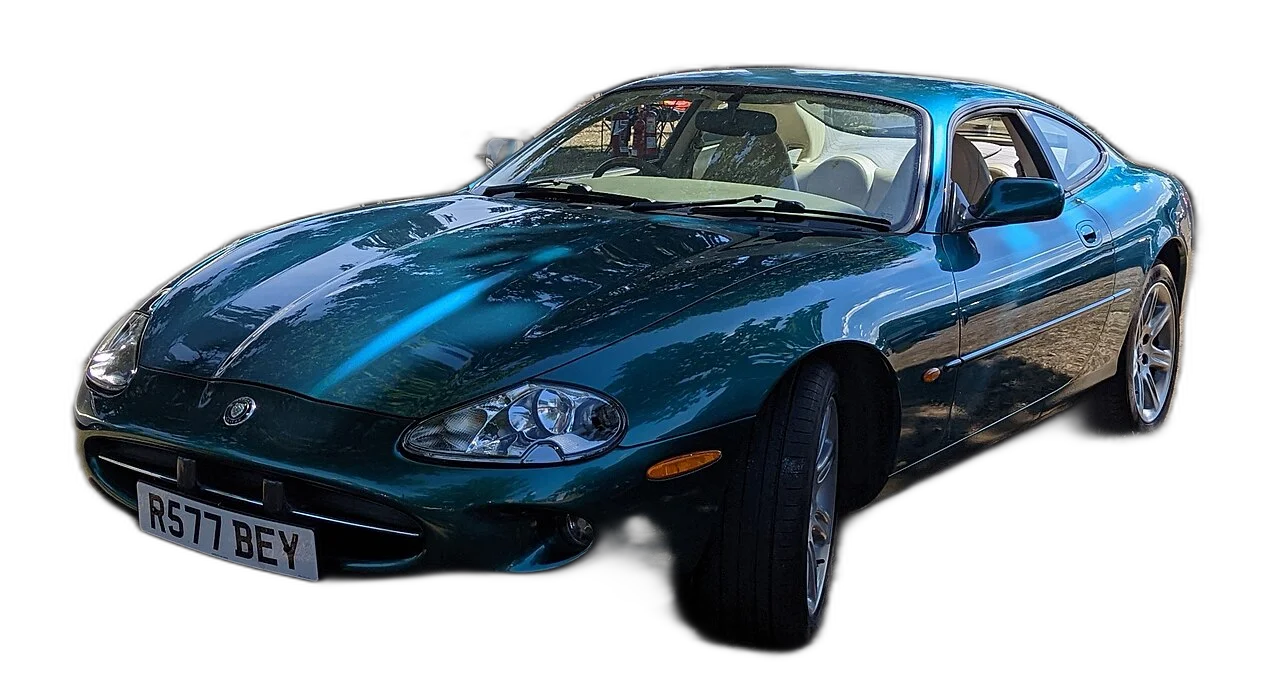
Horacio Pagani's Zonda proved that one man's obsession with carbon fiber could produce automotive art. The Aston Martin DB5 achieved immortality through both design merit and James Bond. The Jaguar XK8 carried the spirit of the E-Type into the modern era. And the BMW i8's scissor doors and flowing lines showed what an electrified future could look like.


Design icons don't depreciate in the traditional sense. Their cultural value compounds over time, and the market eventually catches up. Every car in this collection is worth more today than when it was new - not because of scarcity alone, but because great design is the rarest thing in the automotive world.