The Electric Disruption: What Classic Car Culture Loses (and Gains)
As combustion engines face extinction, the classic car world is split between purists who mourn the sound and enthusiasts who see opportunity in electric restomods.
In a converted workshop in Oxfordshire,
In a converted workshop in Oxfordshire, a man is fitting a 450-horsepower electric motor into a 1973 Porsche 911. The flat-six engine that defined the car for half a century sits on a pallet in the corner, wrapped in plastic. The owner says he will keep it, just in case. He is not the first to hedge his bets.
## The Sound of Silence
The internal combustion engine is not just a propulsion system. It is a sensory experience. The mechanical bark of a Ferrari flat-12, the turbine whine of a Porsche turbo spooling, the offbeat rumble of a Subaru boxer: these sounds are inseparable from the cars they animate. For many enthusiasts, the engine is not part of the experience. It is the experience.
Electric powertrains eliminate this enti...
Electric powertrains eliminate this entirely. An electric motor produces torque instantly, silently, and without drama. The performance can be extraordinary. A Tesla Model S Plaid will outrun a LaFerrari in a straight line. But the visceral connection, the sense that you are managing a mechanical organism, disappears.
This loss is real and should not be dismissed as nostalgia. The relationship between driver and combustion engine is tactile, auditory, and olfactory. It engages senses that an electric motor simply does not. Acknowledging this is not anti-progress. It is honest.
## The Restomod Opportunity
Yet the electric conversion movement is
Yet the electric conversion movement is producing some remarkable machines. Lunaz, founded in 2018, converts classic cars including Jaguar XK120s, Bentley Continentals, and Range Rover Classics into electric vehicles. The company preserves the original bodywork, interior, and character while replacing the drivetrain with battery and motor. The result is a classic car that starts reliably, produces no emissions, and can be driven daily without anxiety.
Volkswagen itself has sanctioned an electric conversion kit for the original Beetle, recognizing that the car is cultural heritage worth preserving in a usable form. Fiat has done similar work with the 500. The message is clear: the shape and soul of a classic car can survive electrification. What changes is the mechanical heart.
## The Collection Calculus
For serious collectors, the rise of
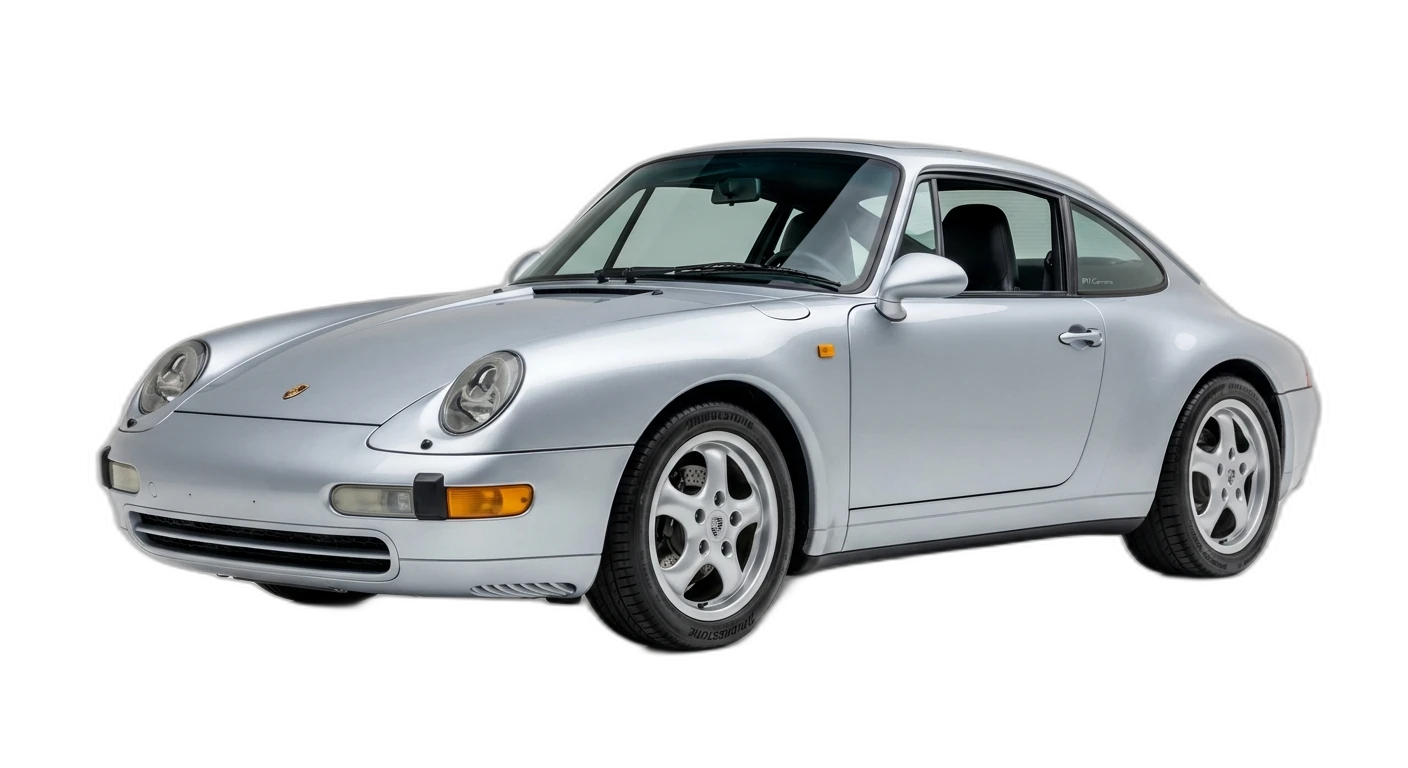
For serious collectors, the rise of electric vehicles has created an unexpected dynamic. Cars with significant combustion engines, particularly naturally aspirated engines with high-revving character, are appreciating rapidly. The Ferrari F355, with its flat-crank V8 that screams to 8,500 rpm, has doubled in value over five years. The Porsche 911 993, the last air-cooled 911, now commands prices that would have seemed absurd a decade ago.
The market is telling us something: when an experience becomes scarce, it becomes valuable. The sound, the vibration, the ritual of a mechanical engine will not disappear, but it will become a luxury, like mechanical watches in a world of quartz.
## What Comes Next
The transition will not be sudden.
The transition will not be sudden. Combustion classics will continue to be driven, maintained, and celebrated for decades. Historic racing will preserve the experience for future generations. Museums will contextualize the technology. And the cars themselves, the Miuras and Countachs, the 911s and M3s, will endure as works of industrial art.
The question is not whether the combustion engine will survive. It will, as heritage. The question is whether the new generation of car enthusiasts, raised on instant torque and software updates, will understand what they missed. The answer may depend on whether they ever sit in a 1967 E-Type, turn the key, and hear that straight-six come alive.
Written by Singular Heritage Team
Published March 15, 2026 · 7 min read
Part of the Singular Heritage network