
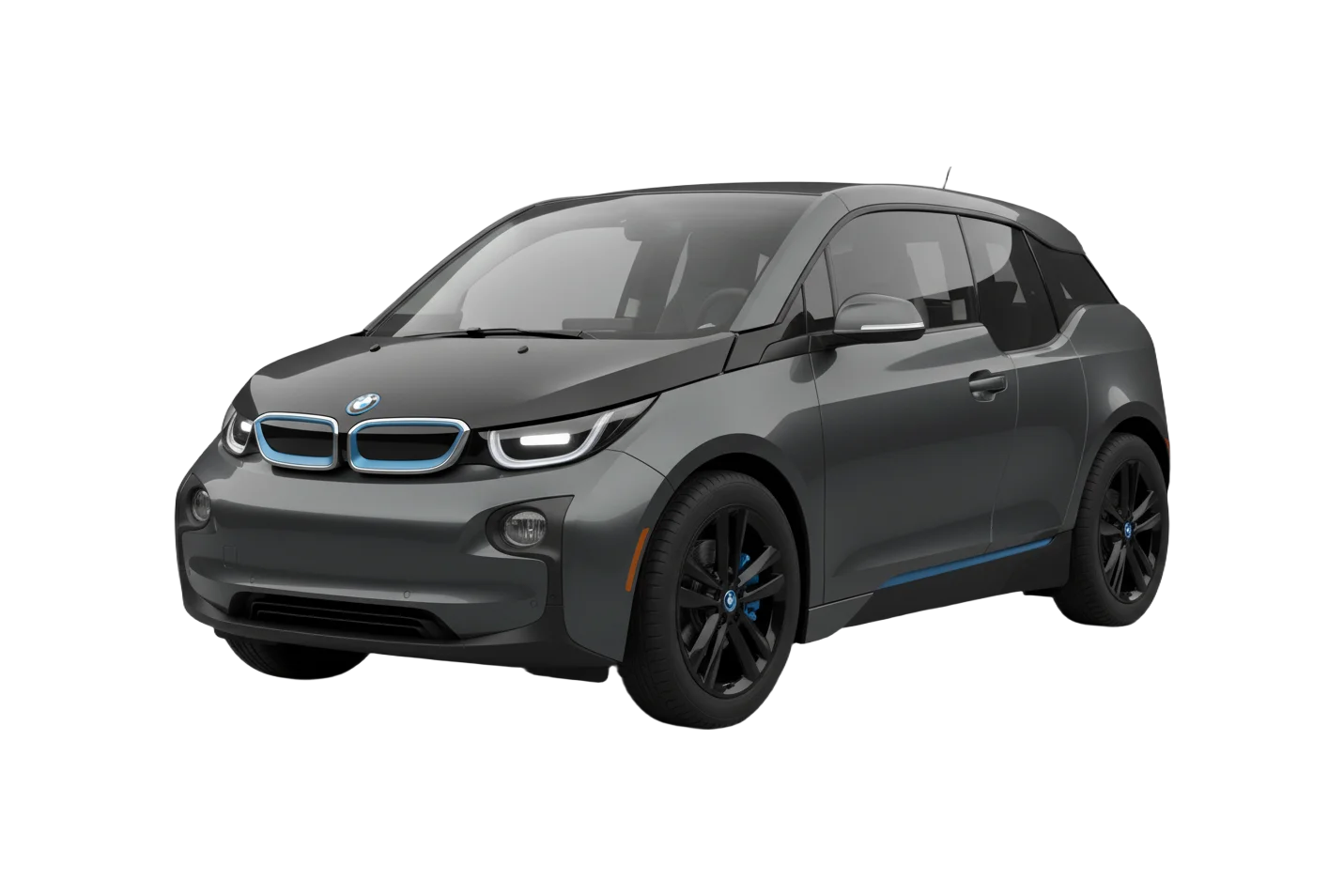
The BMW i3 was a groundbreaking electric vehicle that pioneered the use of carbon-fiber-reinforced plastic construction in mass production. It represented BMW's bold entry into the electric mobility era and demonstrated that sustainability and driving pleasure could coexist.
History
The BMW i3, launched in 2013, was the product of BMW's visionary 'Project i' initiative, which sought to create purpose-built electric vehicles from the ground up rather than simply electrifying existing platforms. The result was one of the most radical production cars BMW has ever created — a city car with a carbon-fiber-reinforced plastic (CFRP) passenger cell mounted on an aluminum drive module, representing a fundamentally different approach to vehicle construction.
The use of CFRP was revolutionary for a mass-production vehicle. BMW invested heavily in carbon fiber manufacturing, including a joint venture with SGL Carbon to produce the material at scale. This investment allowed the i3 to achieve a curb weight of approximately 1,195 kg despite carrying a battery pack — remarkably light for an electric vehicle and lighter than many comparable conventional cars. The lightweight construction contributed to nimble handling and respectable range despite relatively modest battery capacities.
The i3's design, penned by Benoit Jacob, was deliberately unconventional, with short overhangs, a tall greenhouse, suicide-style rear doors, and a minimalist interior that featured extensive use of recycled and sustainably sourced materials. The interior was airy and modern, with a floating dashboard and visible carbon fiber elements. Initially offered with a 22 kWh battery (later upgraded to 33 kWh and then 42.2 kWh), the i3 was also available with an optional range-extending two-cylinder gasoline engine (REx) that served as a generator.
Over its nine-year production run, approximately 250,000 i3s were produced, making it a moderate commercial success. While it never achieved the sales volumes of later mass-market EVs like the Tesla Model 3, the i3's significance lies in the technological and philosophical precedents it set. It proved that CFRP construction was viable at scale, demonstrated BMW's commitment to electrification years ahead of most competitors, and showed that an electric car could have genuine character and driving appeal. Today, the i3 is increasingly recognized as a landmark vehicle in the transition to electric mobility.
Timeline
Production & Heritage
Value estimates are editorial assessments based on recent auction results and market trends.
Technical Specifications
Engine Details
Performance
Dimensions
Chassis & Suspension
Drivetrain
Capacity
Source: BMW AG / Wikipedia
Tags
Designed by Benoit Jacob
From the 2010s
Featured in
References & Sources


More in Sports
See all
356 Pre-A
356 Speedster
XK120