
Before 1990
The analog era. No traction control, no driver aids, no electronic nannies. Cars that demanded skill and rewarded bravery - from the Countach to the Carrera RS, the Delta to the DS.
79 vehicles
Before 1990, a car was a mechanical instrument. No traction control decided when your wheels could spin. No ABS modulated your braking. No electronic stability program corrected your mistakes. You had a steering wheel, three pedals, and your own judgment. The cars in this collection come from that era - when driving was a skill, not a setting.

The Supercars
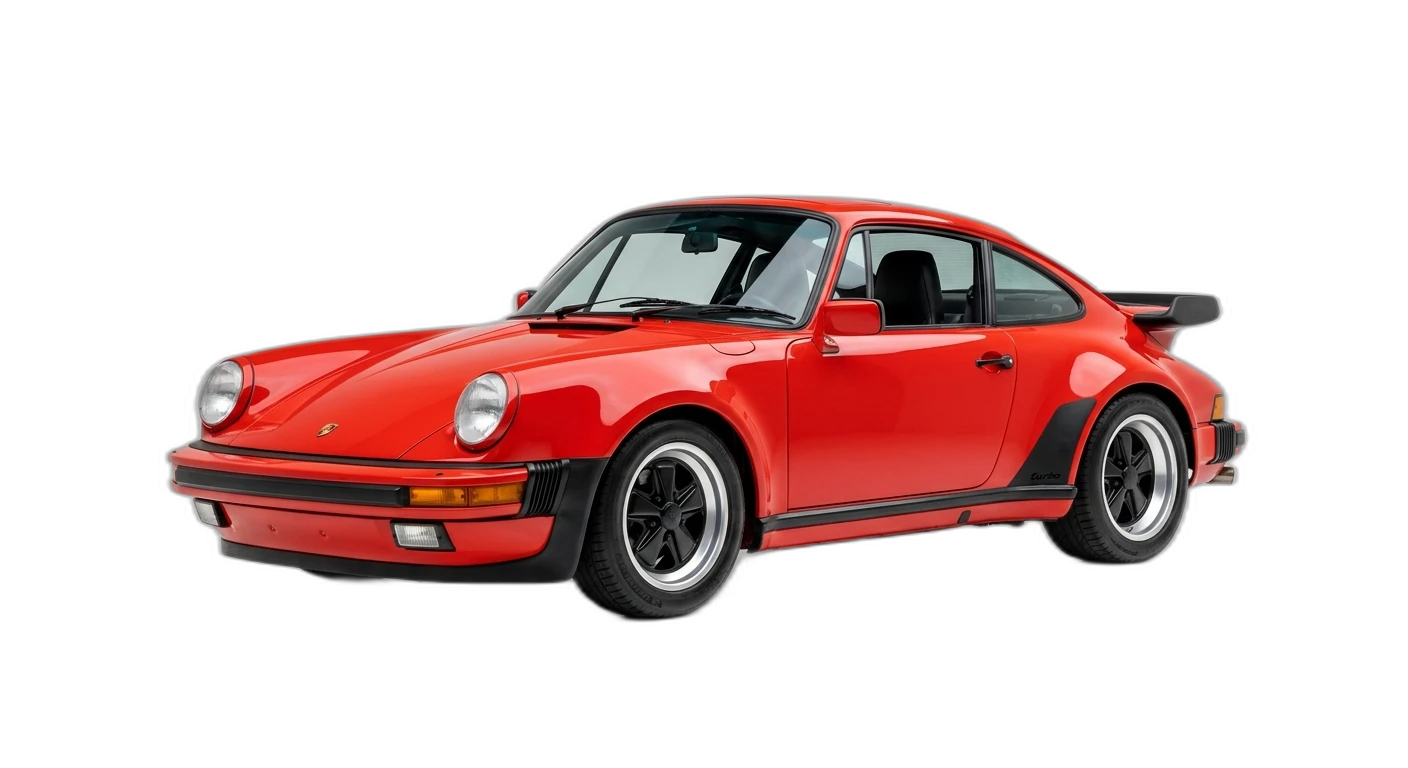
The Countach LP400 had no power steering, no ABS, and rearward visibility measured in inches. The Porsche 930 Turbo earned its "widowmaker" reputation because turbo lag meant the boost arrived mid-corner, exactly when you didn't want 300 hp hitting the rear wheels. The Ferrari Testarossa was wide enough to block a highway lane and had a flat-12 that sounded like the apocalypse at 7,000 rpm. These cars didn't protect you from yourself. They expected you to be good enough.

The Everyday Heroes
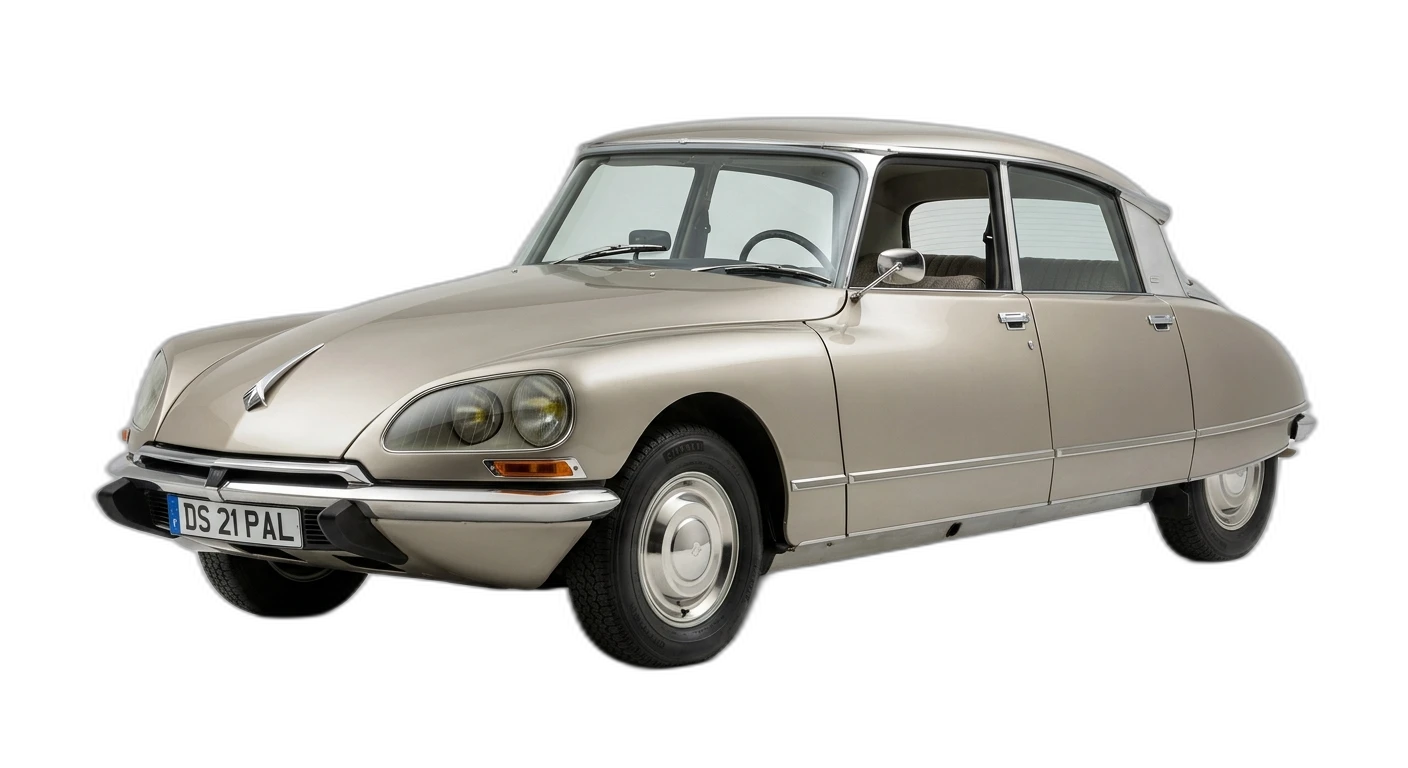
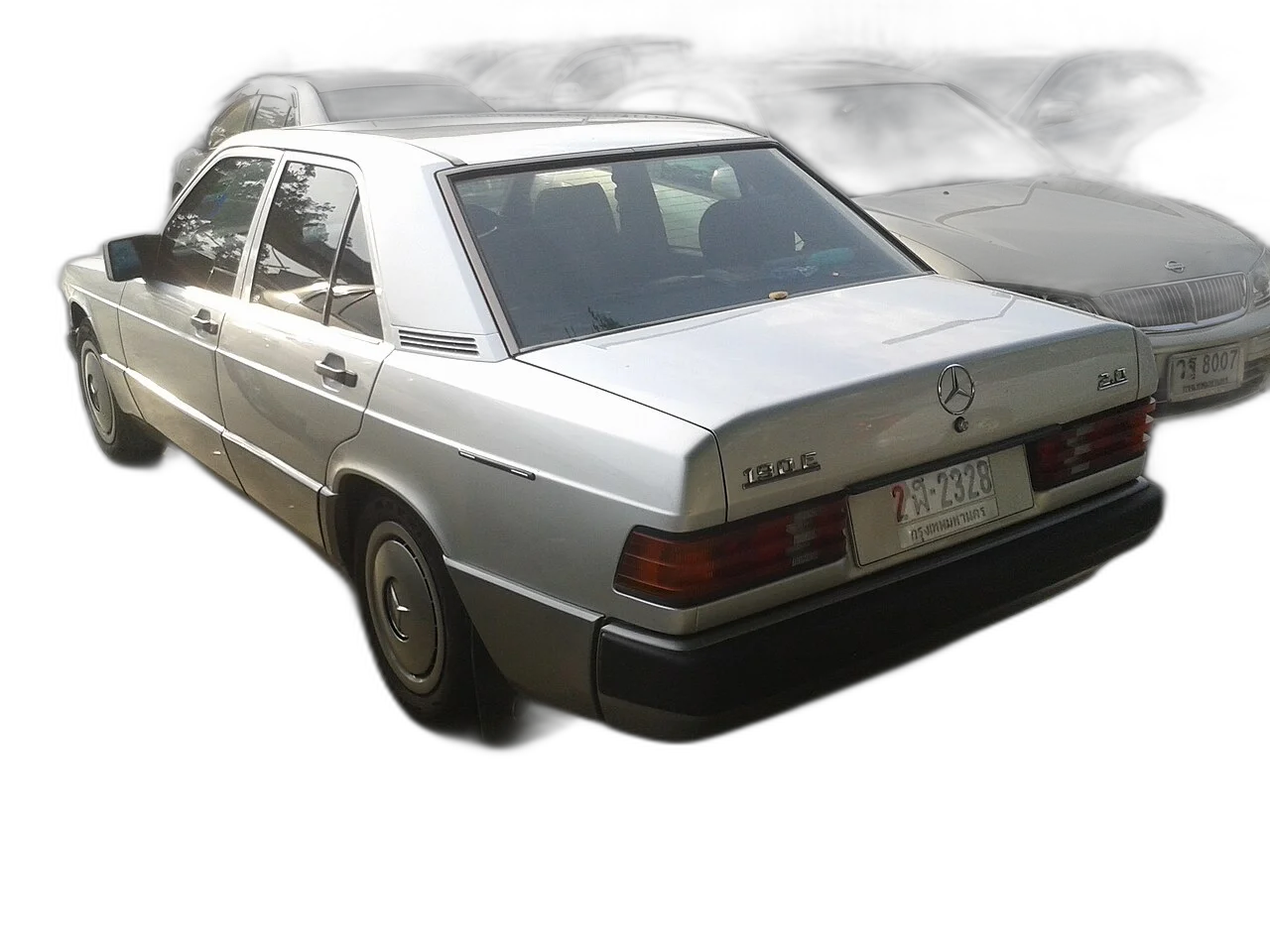
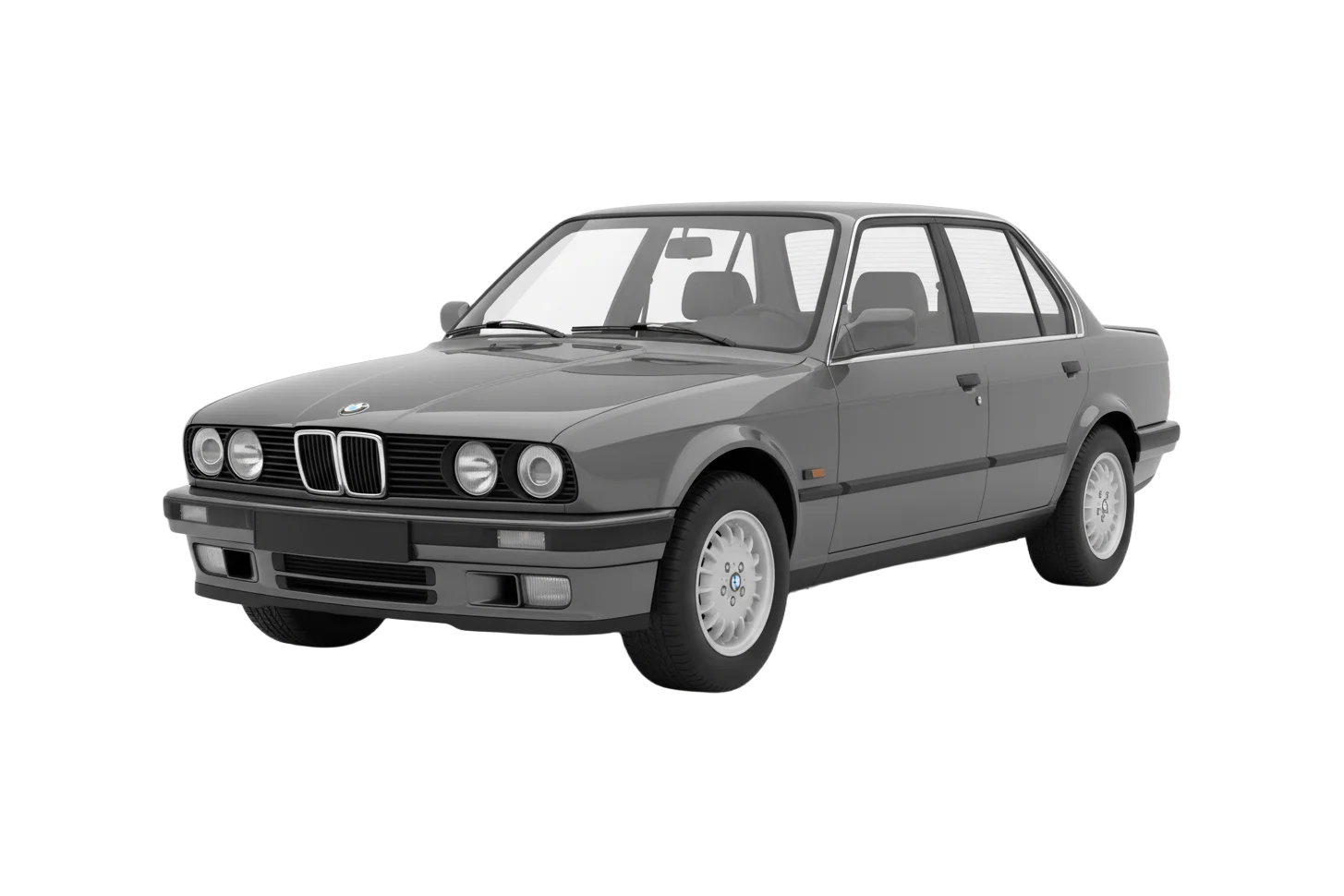
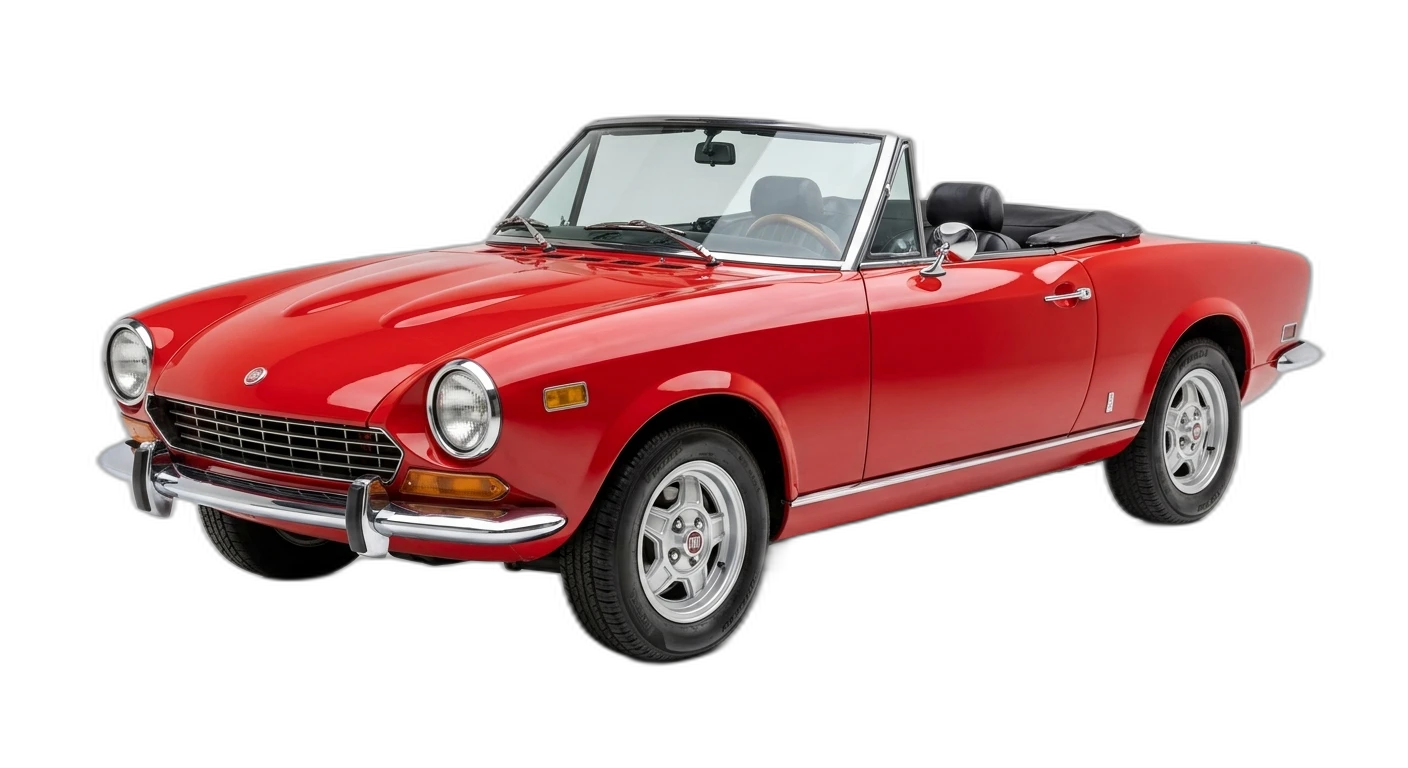
Not every pre-1990 car was trying to kill you. The Citroen DS was decades ahead of everything around it - hydraulic everything, self-leveling suspension, and a shape that looked futuristic in 1955 and still does. The Mercedes W201 190E was Cosworth-tuned and Nurburgring-developed. The BMW E30 3 Series was the template for the sport sedan. And the Fiat 124 Spider gave Italy an affordable, beautiful roadster.
The Competition Machines
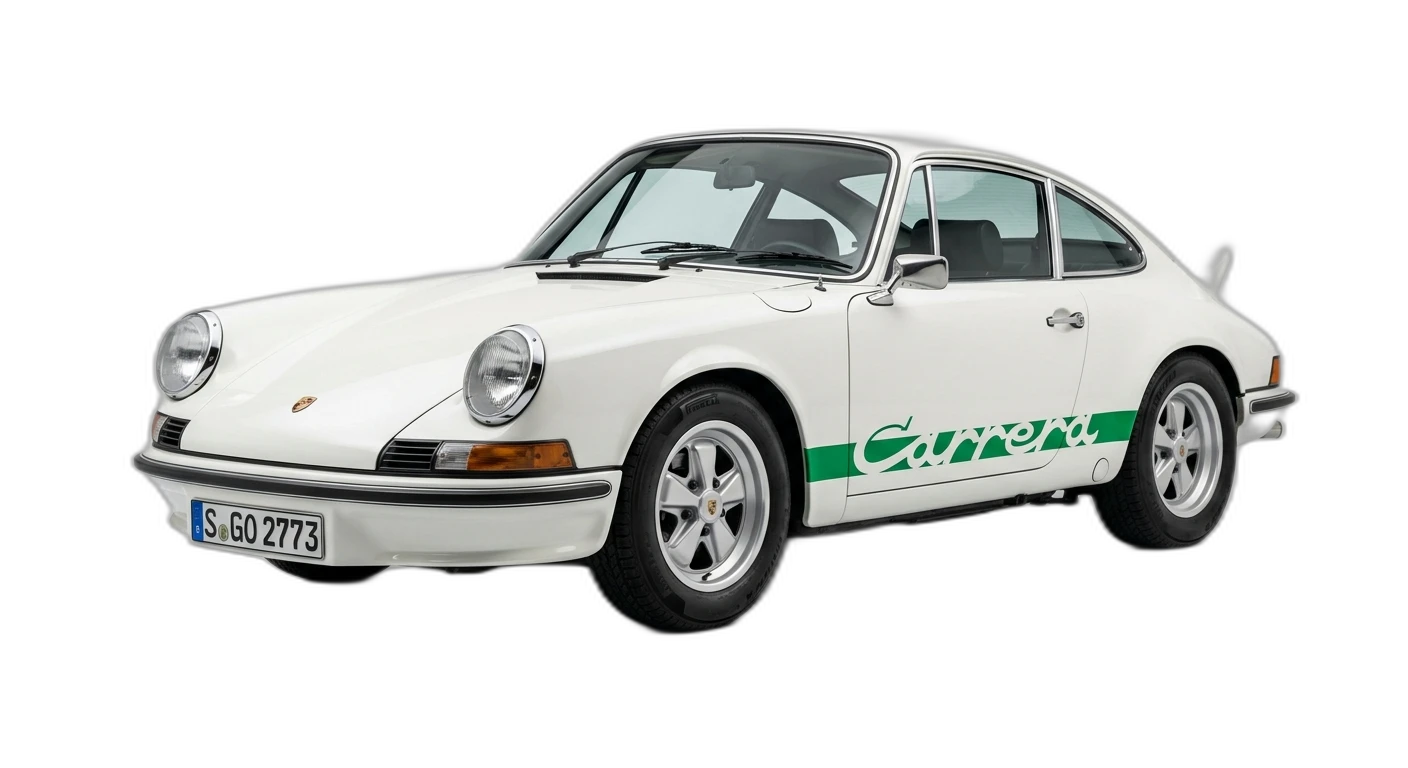
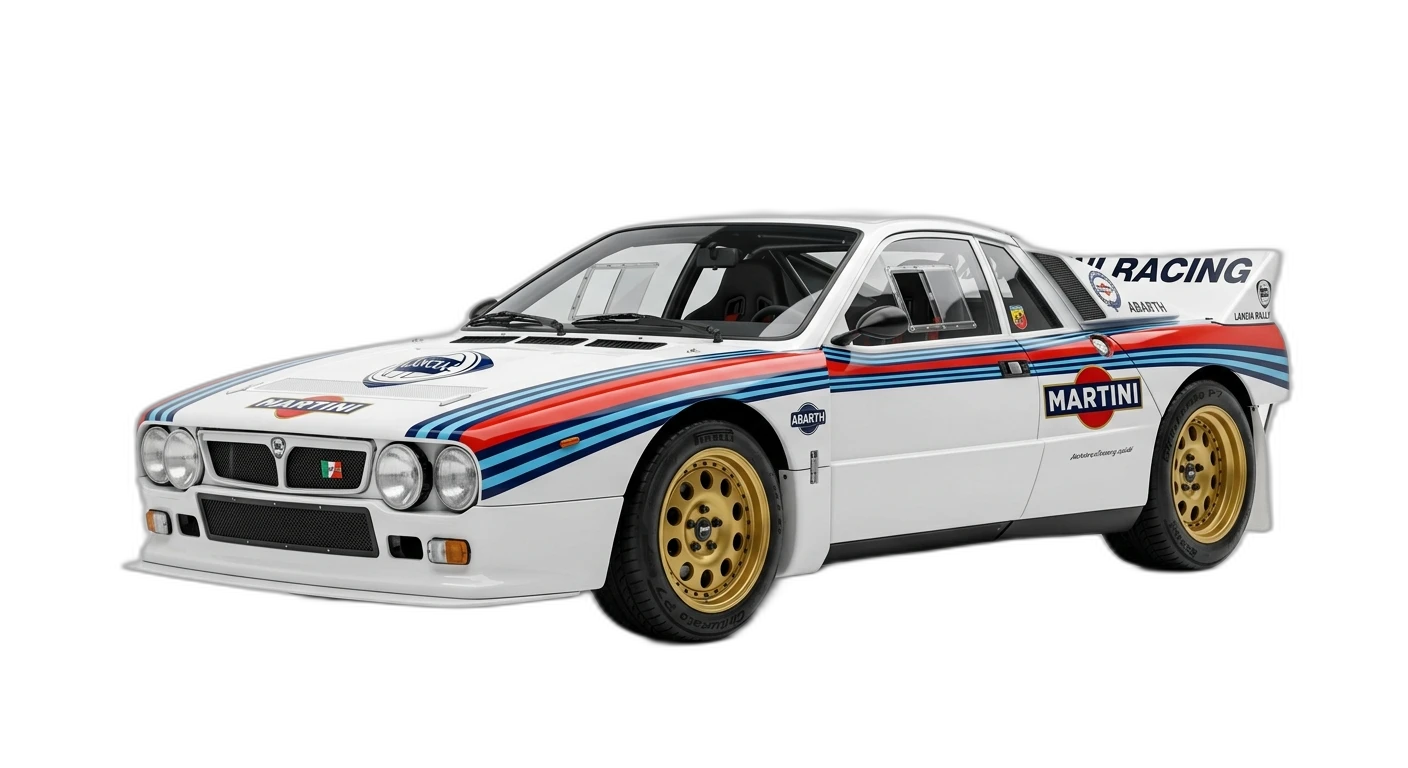
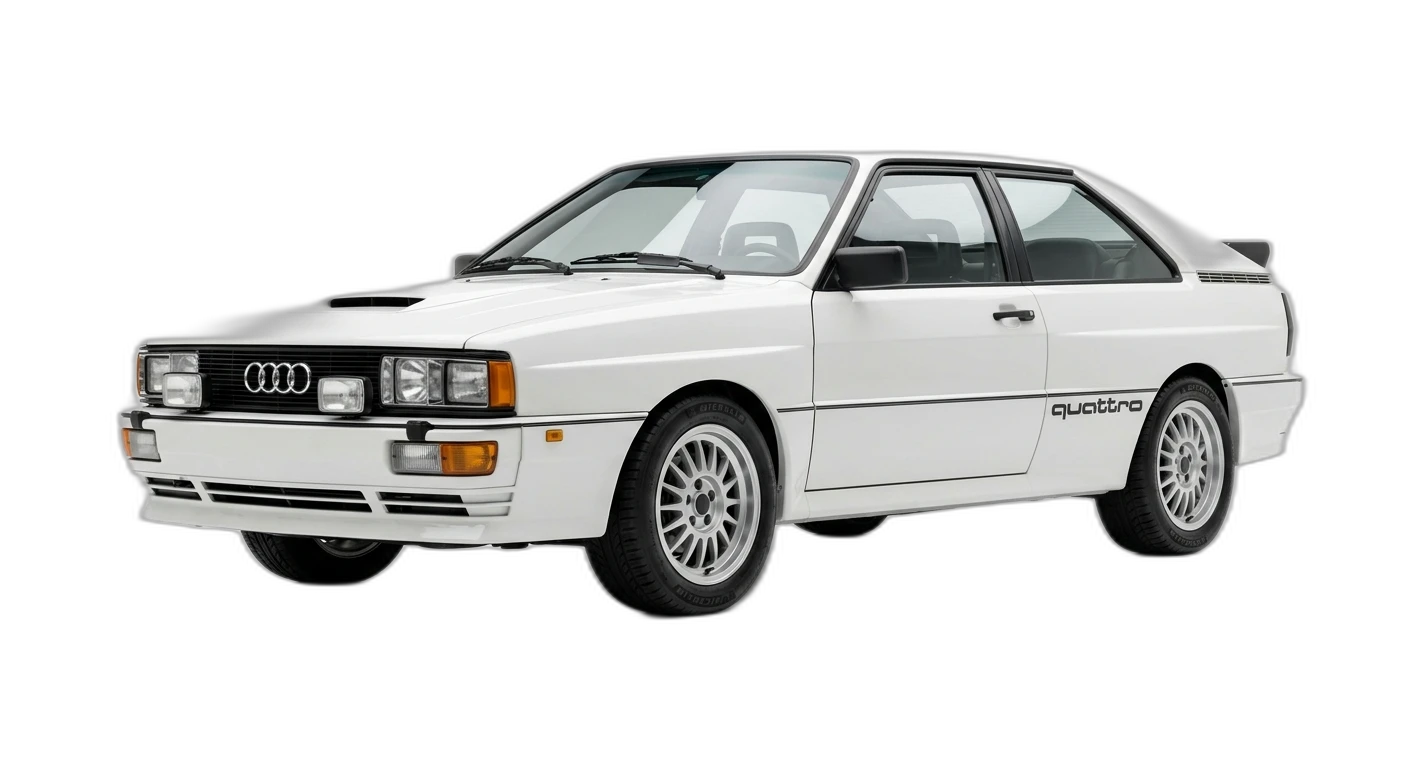
The E30 M3 was a homologation special built to dominate Group A touring car racing - and it did, winning everything from the DTM to Bathurst. The Porsche Carrera RS 2.7 was the lightest, purest 911 ever built. The Lancia 037 was the last rear-wheel-drive car to compete seriously in the WRC. And the Audi Quattro proved that all-wheel drive belonged on tarmac, not just in fields.

The analog era produced cars that required more of their drivers and gave more in return. Every input mattered. Every correction was yours. The cars in this collection don't have driving modes or configurable exhaust notes. They have character - the kind that can only come from machines built before computers learned to intervene.