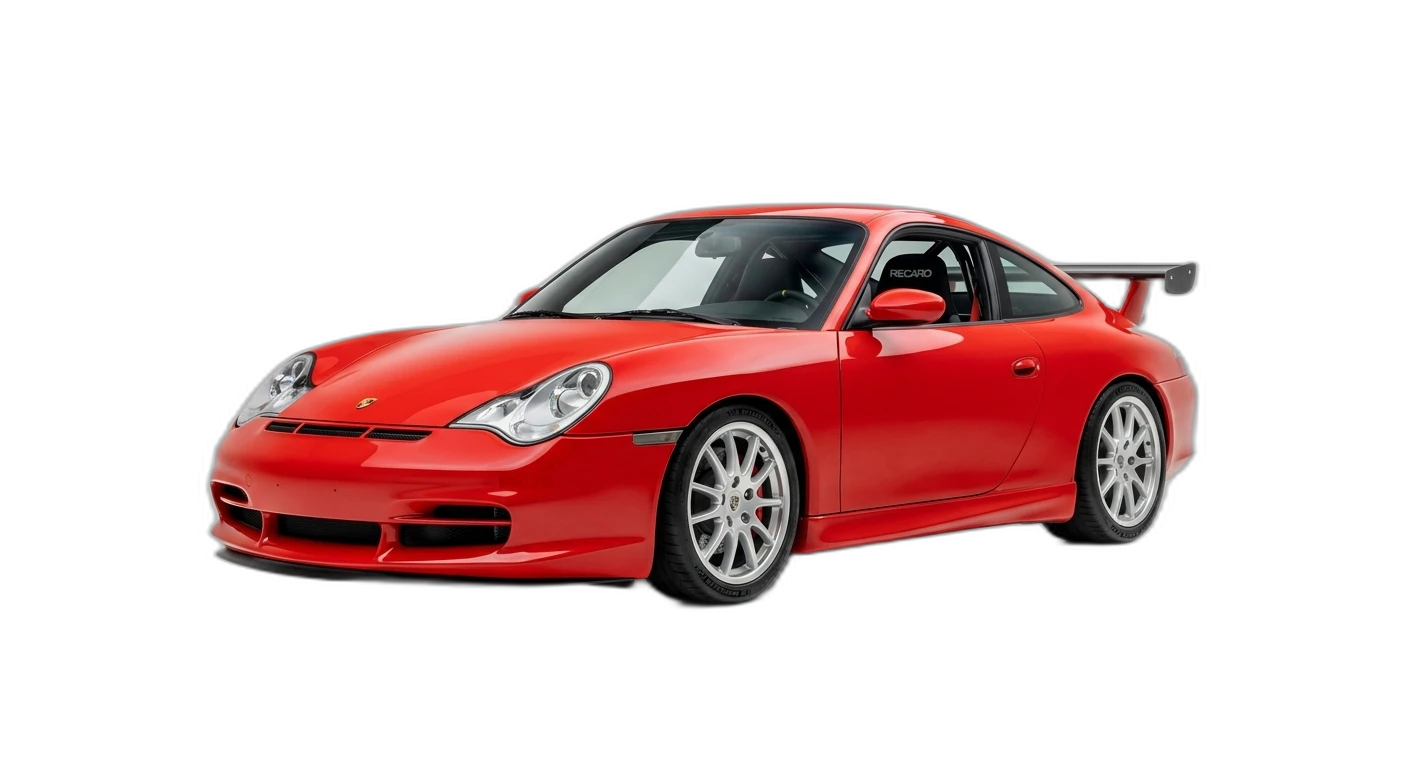
Pininfarina, Bertone, Giugiaro: The Holy Trinity of Italian Design
Three design houses shaped every beautiful car of the 20th century. Their legacy is everywhere, from the Ferrari 250 GTO to the Volkswagen Golf.
In the hills above Turin, three
In the hills above Turin, three families built the most important car design studios in history. Between them, Pininfarina, Bertone, and Giugiaro designed nearly every significant Italian car of the 20th century, and many non-Italian ones besides. Their influence is so pervasive that it is impossible to look at a modern automobile without seeing their DNA.
## Pininfarina: The House That Ferrari Built
Battista Farina, known as Pinin (the little one), founded Carrozzeria Pinin Farina in 1930. The relationship with Ferrari, which began in 1952, would define both companies. Pininfarina designed every Ferrari road car from the 250 series through the modern era, creating some of the most beautiful objects ever made by human hands.
The Pininfarina aesthetic is characteriz...
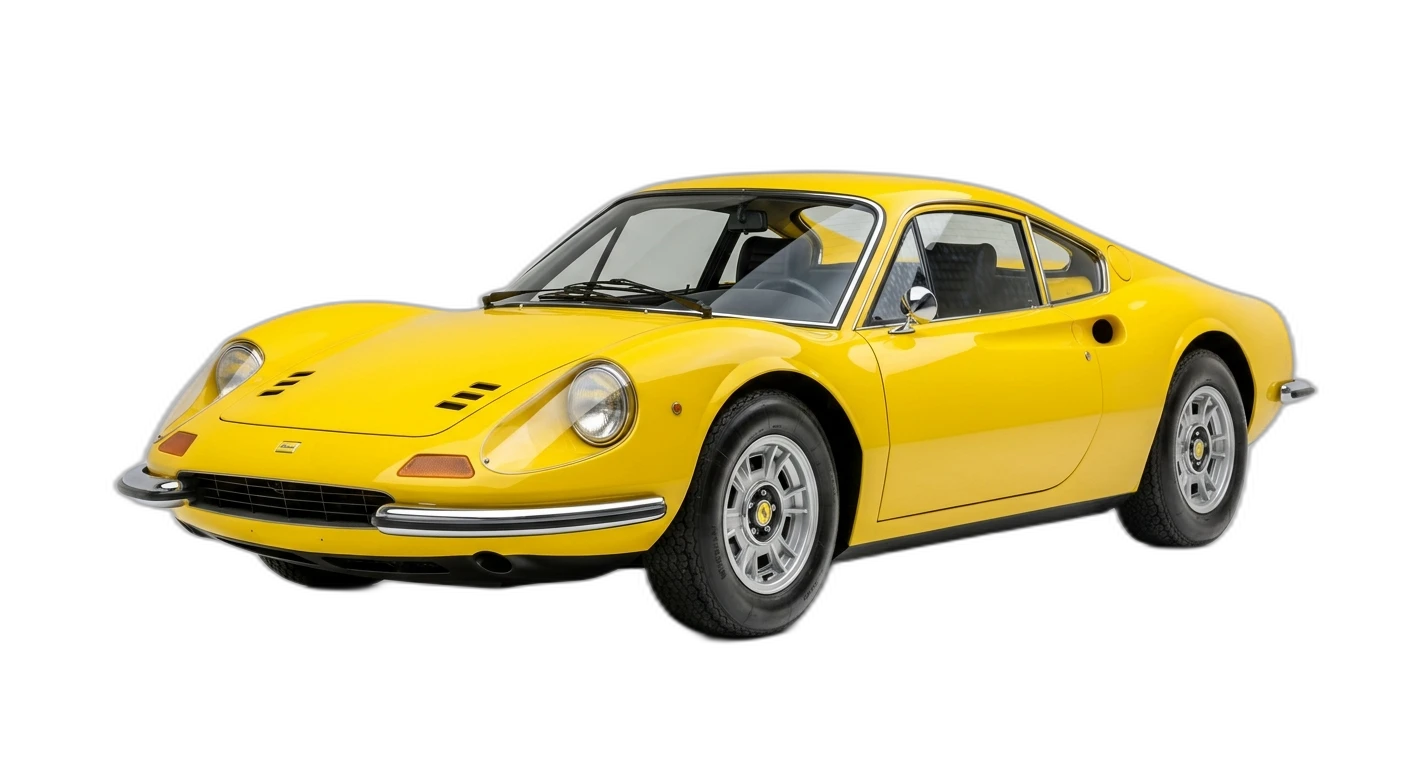
The Pininfarina aesthetic is characterized by restraint. Where other designers reached for drama, Pininfarina sought proportion. The Ferrari 275 GTB, the Dino 246 GT, the Testarossa: each is unmistakably a Pininfarina design, yet each is distinct. The common thread is an almost mathematical relationship between surface, line, and volume.
Beyond Ferrari, Pininfarina designed for Alfa Romeo, Peugeot, Lancia, and even Cadillac. The firm shaped the Alfa Romeo Spider Duetto, the Peugeot 406 Coupe, and the Lancia Aurelia. When other design houses reached for the future, Pininfarina reached for timelessness.
## Bertone: The House of the Impossible
Nuccio Bertone inherited his father Giov...
Nuccio Bertone inherited his father Giovanni's coachbuilding firm and transformed it into the most daring design studio in the world. Where Pininfarina was elegant, Bertone was radical. Where Pininfarina sought harmony, Bertone sought disruption.
The Lamborghini Miura, designed by a 26-year-old Marcello Gandini at Bertone in 1966, is arguably the most beautiful car ever made. Its mid-engine layout and flowing bodywork invented the supercar template that every manufacturer has followed since. Gandini then outdid himself with the Countach, a car so extreme that it looked like nothing else on the road when it debuted in 1971, and still does today.
Bertone also designed the Lancia Stratos, the Fiat X1/9, the Citroen BX, and dozens of concept cars that pushed the boundaries of what an automobile could look like. The studio's willingness to shock, to produce designs that divided opinion, made it the most creatively fertile design house of its era.
## Giugiaro: The House of Volume
## Giugiaro: The House of Volume
Giorgetto Giugiaro worked at both Bertone and Ghia before founding Italdesign in 1968. His genius was applying the principles of Italian design to mass-market cars. The Volkswagen Golf Mk1, designed by Giugiaro, sold over 6 million units and established the template for the modern hatchback. The Fiat Panda, the Lotus Esprit, the BMW M1, the DeLorean DMC-12: all Giugiaro.
His ability to create designs that were simultaneously beautiful, functional, and manufacturable at scale was unprecedented. The folded-paper aesthetic of his 1970s designs influenced an entire generation of car design worldwide. No designer in history has shaped more cars that more people have actually driven.
## The End of an Era
## The End of an Era
The great Italian design houses have faded as car manufacturers brought design in-house. Ferrari's design is now managed internally. Lamborghini has its own Centro Stile. The era of the independent coachbuilder, when a visionary designer could shape the identity of an entire brand, is essentially over.
But their legacy is permanent. Every car designer working today studied Pininfarina's proportions, Bertone's audacity, and Giugiaro's versatility. The principles they established, that a car can be both functional object and sculpture, that beauty and engineering are not opposites but partners, remain the foundation of automotive design.
When you see a Ferrari on
When you see a Ferrari on the street and feel something stir, you are feeling the echo of Battista Farina's conviction that a beautiful shape is not decoration. It is purpose.
Written by Singular Heritage Team
Published March 8, 2026 · 8 min read
Part of the Singular Heritage network