
V12 Legends
Twelve cylinders, zero compromise. From Ferrari's flat-12 Testarossa to Lamborghini's Countach, BMW's 850CSi, and Pagani's AMG-powered Zonda - the ultimate expression of automotive engineering.
22 vehicles
A V12 engine is not a rational choice. Eight cylinders deliver equivalent power with less weight and complexity. Six cylinders are smoother per pound. But twelve cylinders do something no other configuration can: they produce perfect primary and secondary balance, zero vibration, and a sound that sits somewhere between mechanical precision and orchestral performance. Every car in this collection exists because someone decided that rational wasn't enough.

The Italian V12 - Power as Art
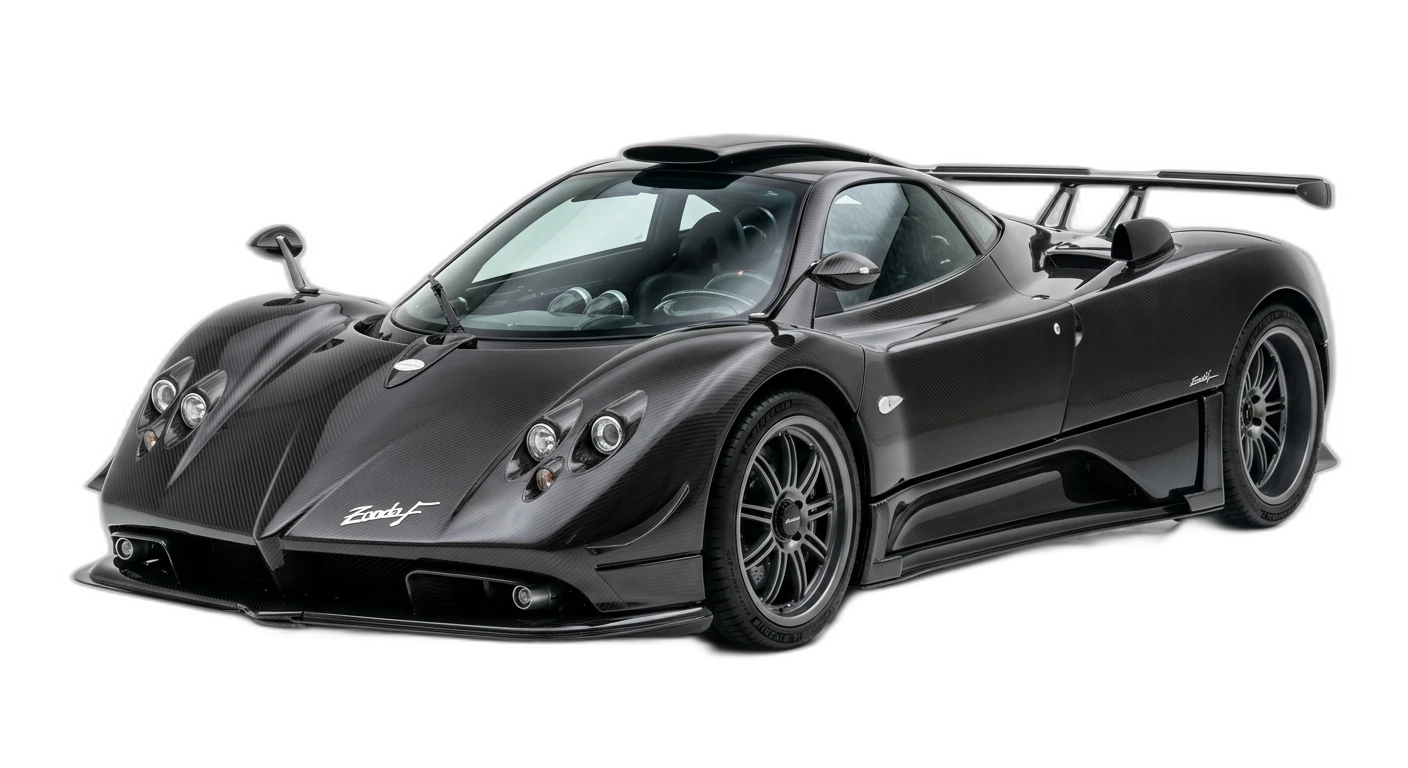
Italy's relationship with twelve cylinders is almost spiritual. Lamborghini's Countach LP400 mounted its 4.0-liter V12 longitudinally behind the driver - visible through the rear glass, its intake trumpets rising like organ pipes. Ferrari took a different path: the Testarossa's 4.9-liter flat-12 (essentially a 180-degree V12) sat so low and wide that the car needed side-mounted radiators, creating those iconic strakes. And Pagani's Zonda F used a Mercedes-AMG 7.3-liter V12 tuned to 602 hp - proof that the best Italian supercar of the 2000s had a German heart.

BMW's Twelve-Cylinder Ambition
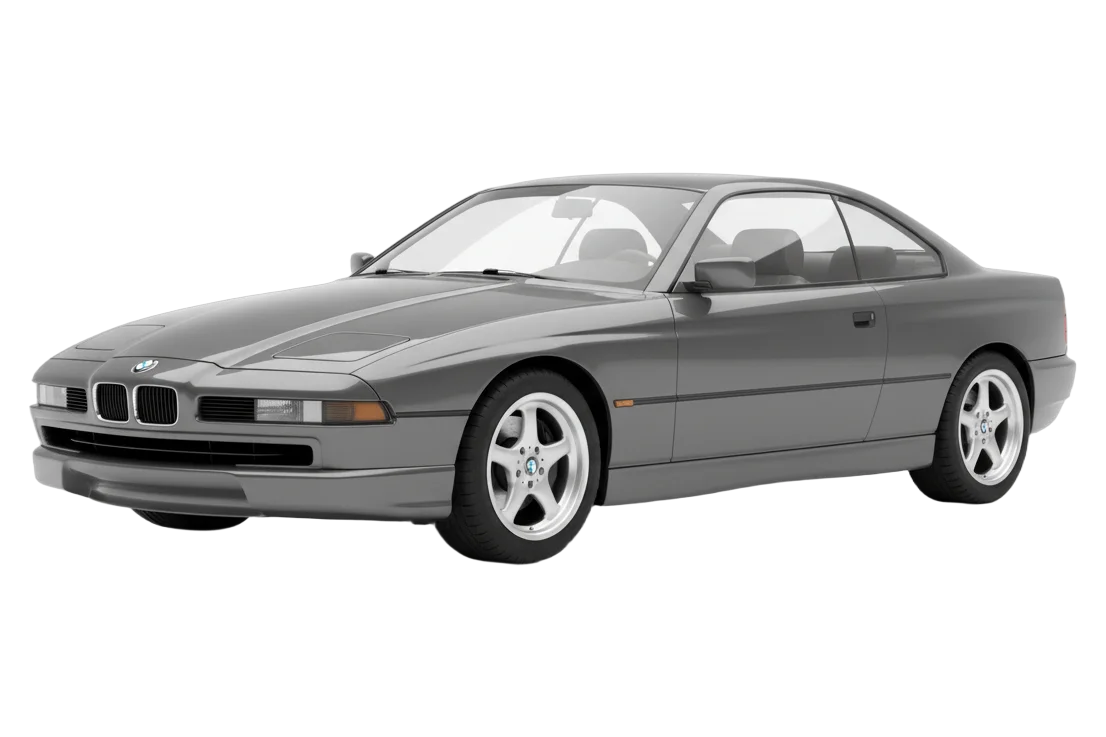
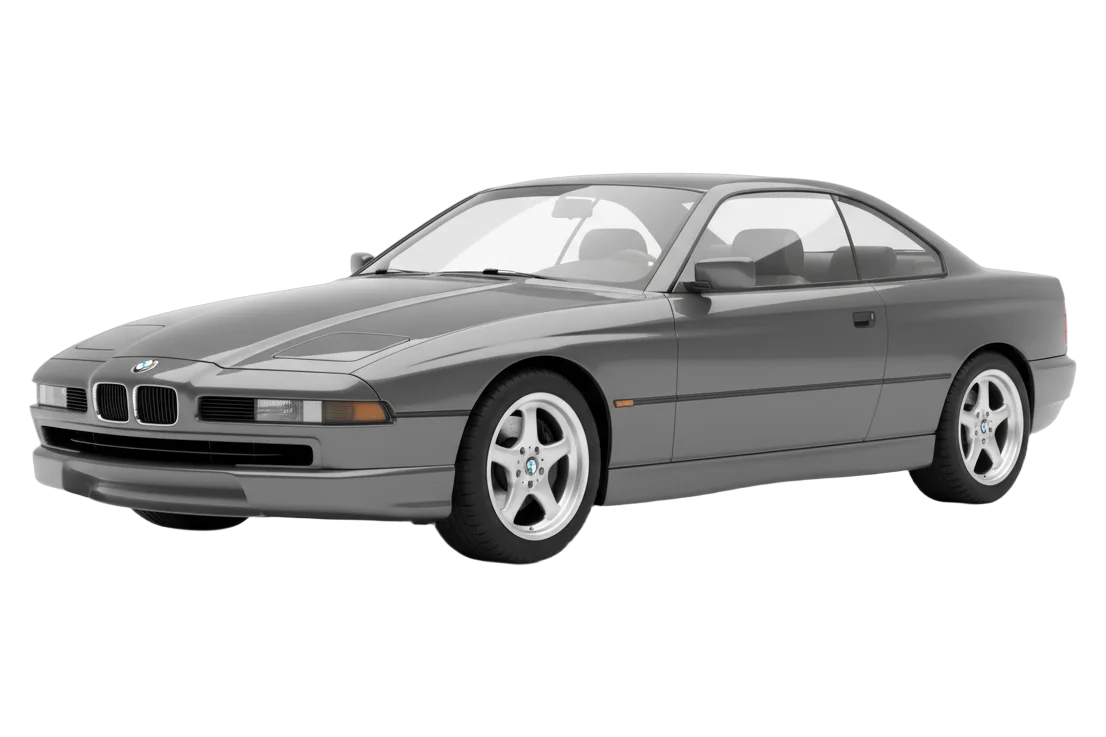
When BMW launched the M70 V12 in 1987, it was a statement of intent: we are no longer just the driver's car company. The E31 8 Series used it in its purest form - 300 hp, pillarless coupe body, 0.29 drag coefficient. Then BMW Motorsport built the S70B56 for the 850CSi with 380 hp and individual throttle bodies. Its most famous derivative powered the McLaren F1 - 627 hp, the fastest production car in the world. Paul Rosche's masterpiece.
The Grand Tour V12s
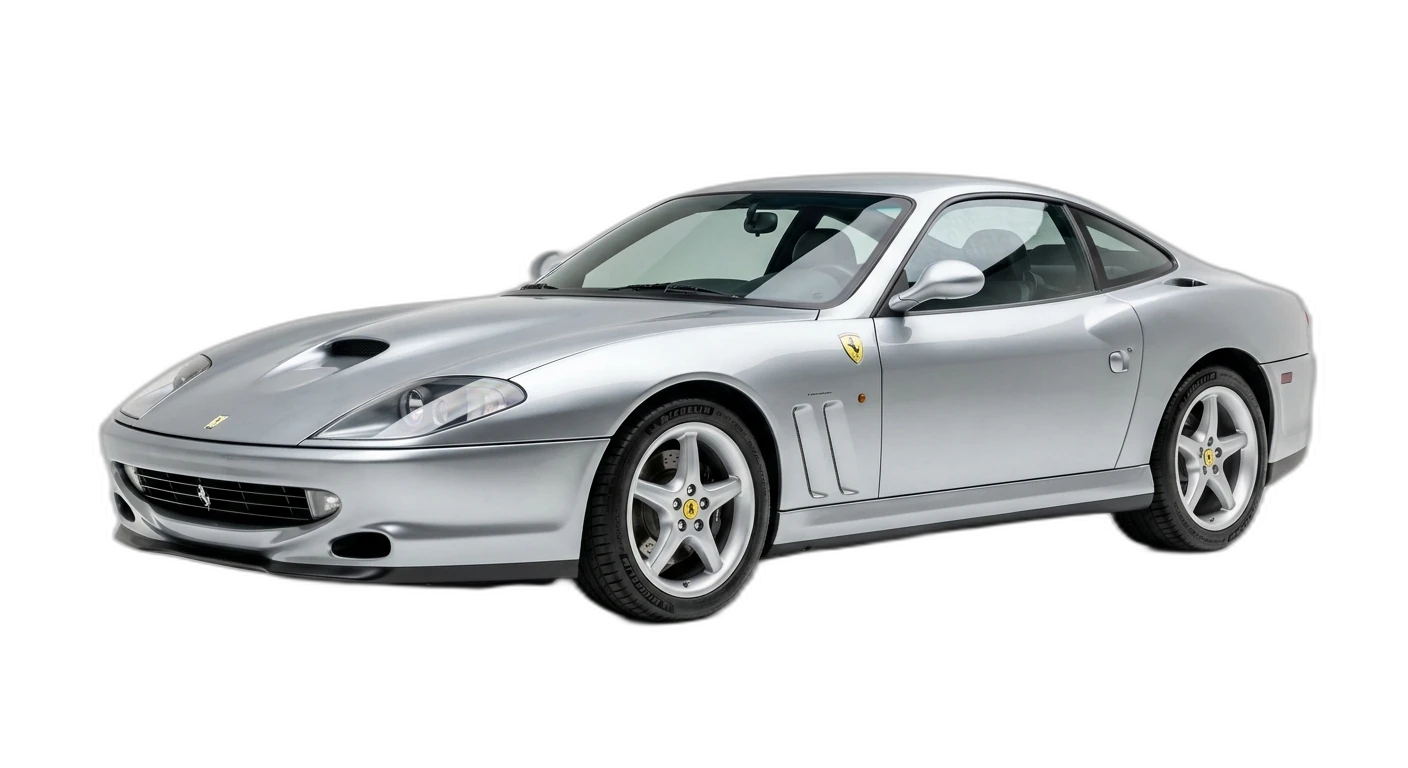
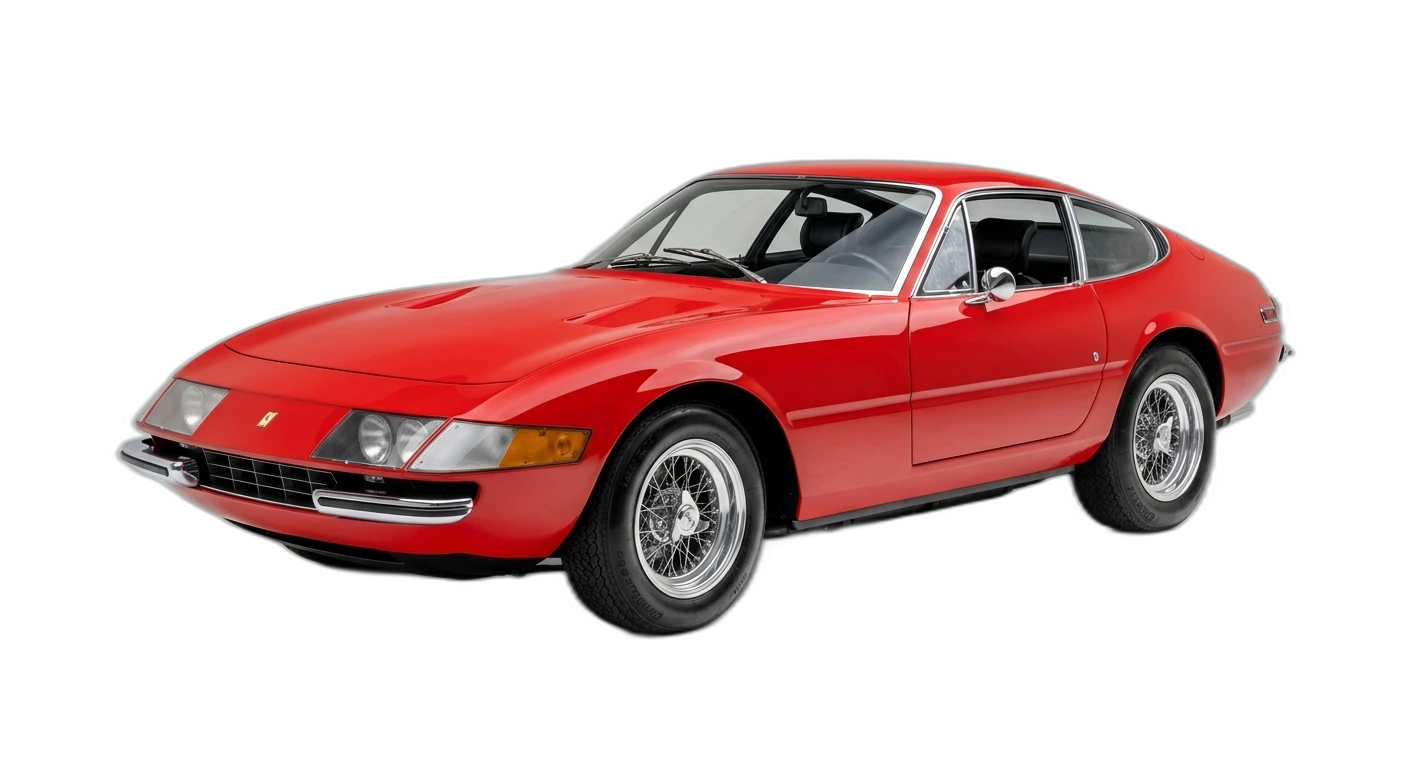
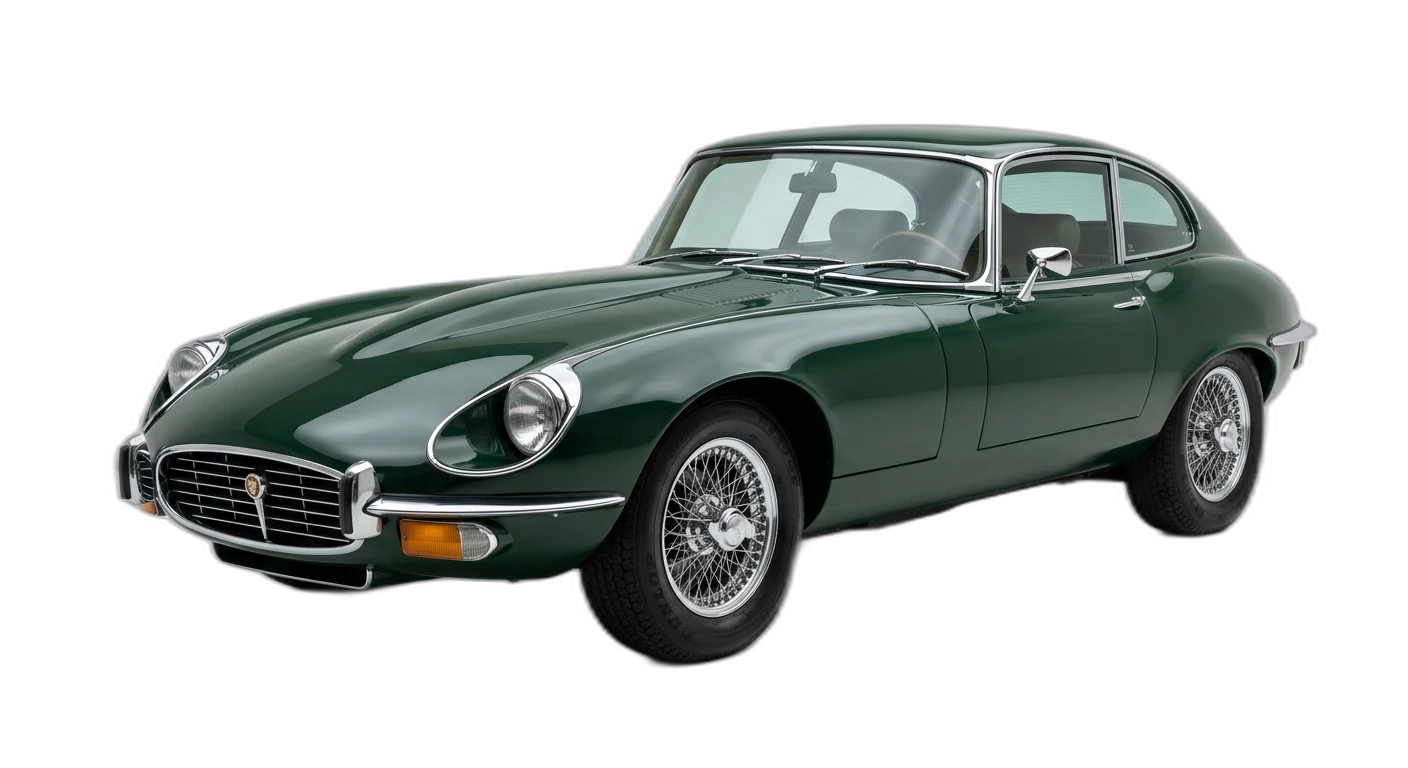
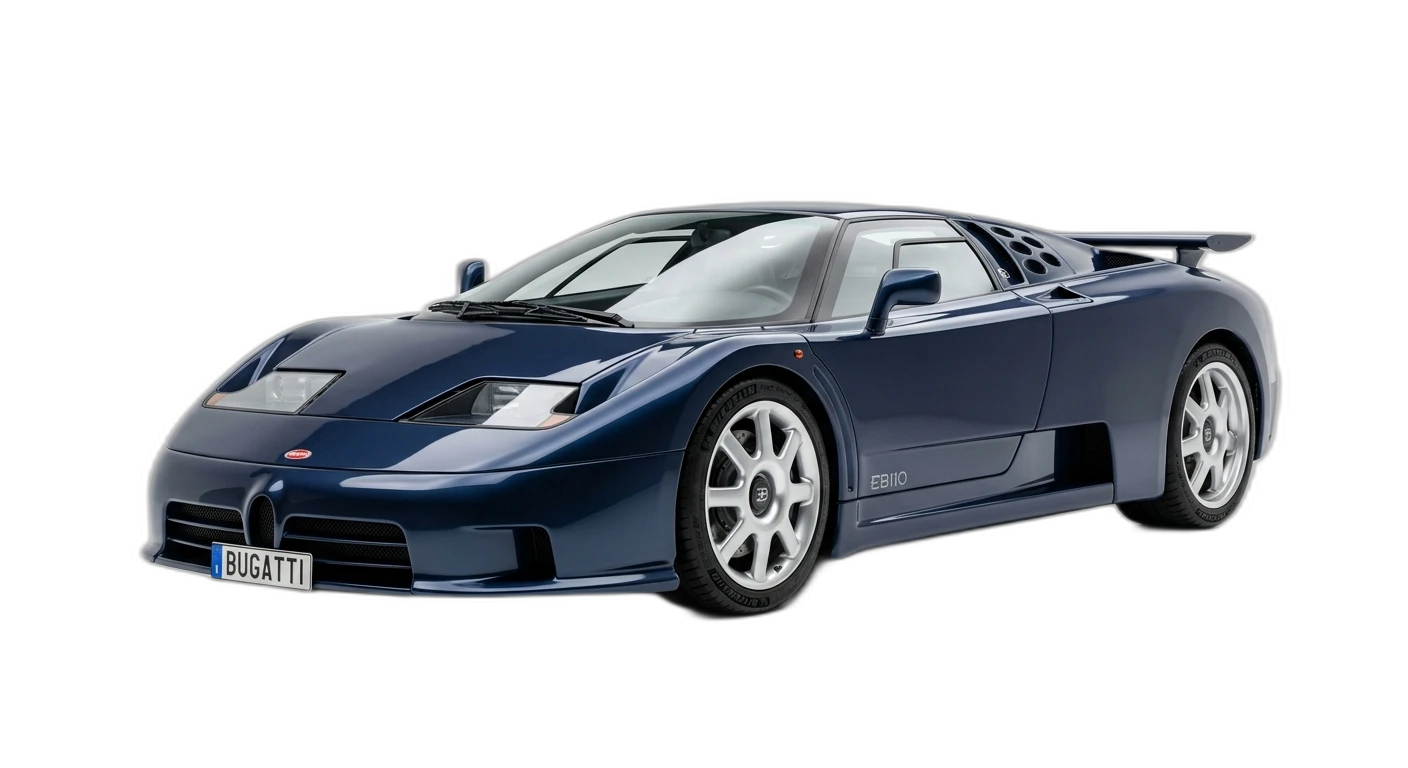
Not every V12 was built for speed. Some were built for silence. The Ferrari 550 Maranello's front-mounted 5.5-liter V12 could cross Europe in a single sitting without raising your pulse. The Ferrari Daytona's Tipo 251 was Enzo's last front-engined statement before mid-engine layouts took over. The Jaguar E-Type V12 sacrificed the purity of the inline-six original for the effortless torque of twelve cylinders. And the Bugatti EB110's quad-turbocharged 3.5-liter V12 proved that even twelve cylinders could be force-fed.
The V12 era is ending. Emissions regulations, electrification, and the physics of turbocharging have made twelve naturally aspirated cylinders an endangered species. The cars in this collection are the last of a lineage that stretches back to the 1930s Grand Prix cars. When they're gone, nothing will sound like them again.