The Porsche 911 Identity Crisis: Air-Cooled, Water-Cooled, and the War That Never Ended
In 1998, Porsche did the unthinkable: they water-cooled the 911. Twenty-seven years later, the argument is still going.
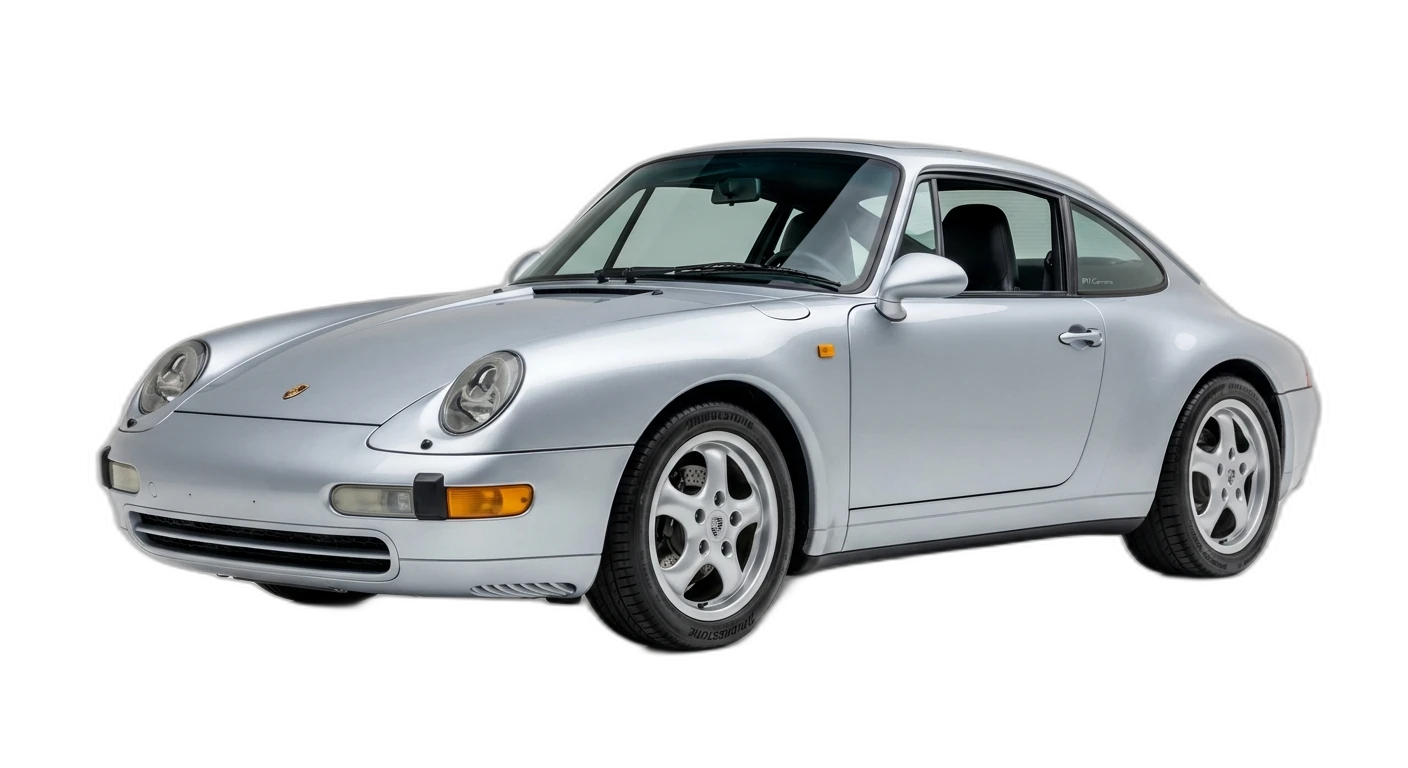
The Porsche 993 rolled off the
The Porsche 993 rolled off the Zuffenhausen production line for the last time in early 1998. The final air-cooled 911. The end of a 35-year lineage that stretched back to Ferdinand Alexander Porsche's original 901 design of 1963. Workers on the factory floor knew they were witnessing the end of something irreplaceable.
What they could not have known was that this moment would create the deepest fault line in automotive enthusiasm. Air versus water. The argument has never been resolved.
The technical case for water-cooling was overwhelming. Air-cooled engines face fundamental thermodynamic limitations: uneven cylinder temperatures, inconsistent combustion, and an inability to meet tightening emissions regulations. The 993's air-cooled flat-six produced 285 hp in Carrera form — impressive, but Porsche's engineers knew they were approaching the ceiling.
The 996, launched in 1998, solved
The 996, launched in 1998, solved every engineering problem the 993 had. The M96 water-cooled flat-six ran cooler, cleaner, and more consistently. It was lighter than the air-cooled engine it replaced. The 996 was faster, more fuel-efficient, safer, and more comfortable than the 993 in every measurable dimension.
And the enthusiast community rejected it.
The criticism was partly aesthetic — the 996 shared its headlights with the Boxster, and the "fried egg" design was universally mocked. But the deeper objection was philosophical. The air-cooled 911 had a mechanical personality that the water-cooled car lacked. The metallic clatter at idle, the way the engine note hardened above 5,000 rpm, the heat radiating from behind the rear seats on a mountain pass — these were not faults. They were the 911's character.
Wendelin Wiedeking, Porsche's CEO during...
Wendelin Wiedeking, Porsche's CEO during the transition, was pragmatic: "We can make the best air-cooled engine in the world, or we can make a better car. We chose the car." He was right about the engineering. He underestimated the emotion.
The 964 (1989-1994) sits at an interesting middle ground in this debate. It was the first 911 with power steering, ABS, and coil springs — technologies that purists resisted but which made the car dramatically more livable. The 964's air-cooled 3.6-liter flat-six produced 250 hp and remains one of Porsche's finest-sounding engines.
The market has delivered its verdict, and it's unambiguous. A 993 Carrera S now sells for $150,000 to $250,000. A comparable 996 Carrera can still be found for $30,000 to $50,000. The premium for air-cooled purity is 4:1 or greater.
But here's what the air-cooled absolutis...
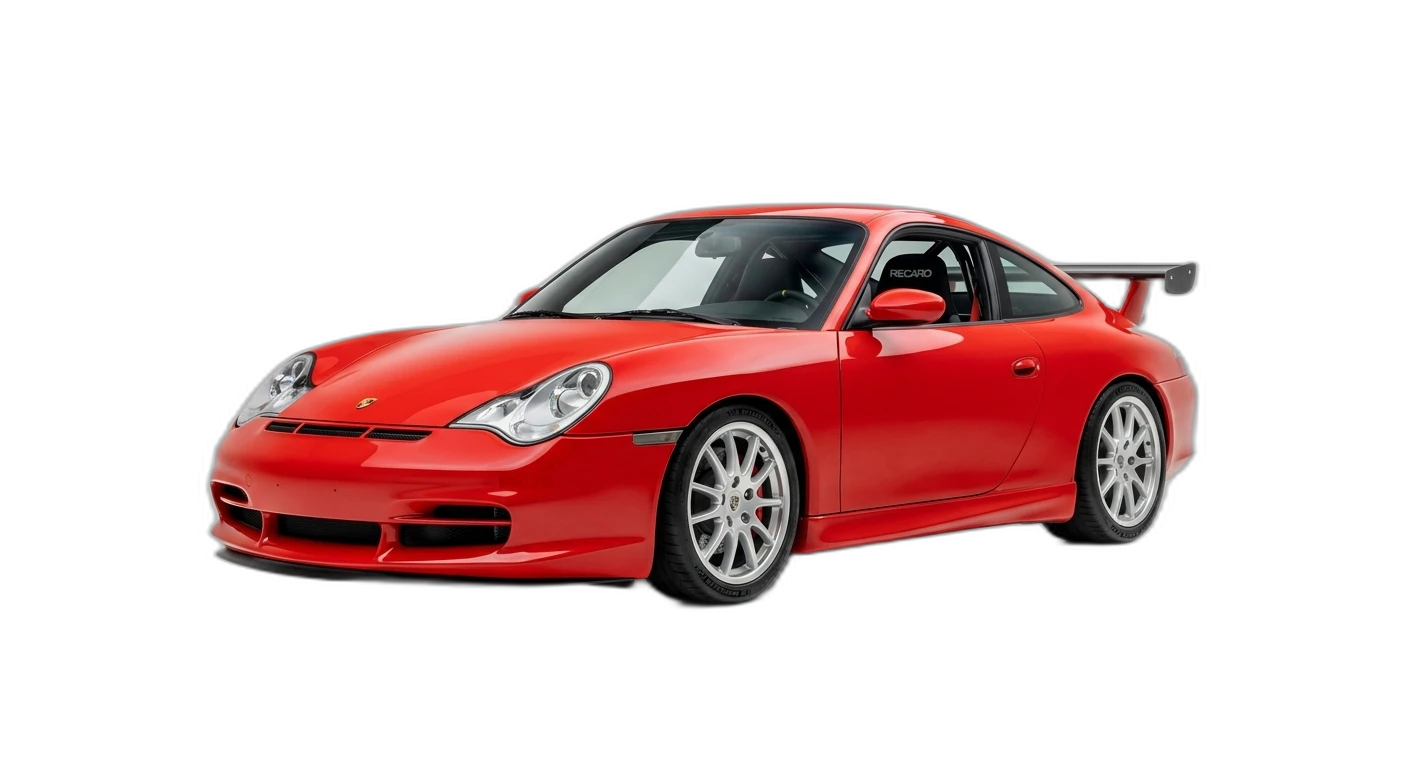
But here's what the air-cooled absolutists overlook: the 996 GT3 and 996 Turbo are among the greatest sports cars ever built. The GT3's Mezger-derived engine revved to 8,200 rpm and produced a sound that would make any air-cooled fan weep with joy. The 996 Turbo could humiliate supercars costing three times its price.
The truth is that both sides are right. The air-cooled 911 is a more characterful machine. The water-cooled 911 is a better car. And Porsche's genius was understanding that the world needed both — even if its customers would spend the next three decades arguing about it.
Written by Singular Heritage Team
Published October 4, 2025 · 10 min read
Part of the Singular Heritage network