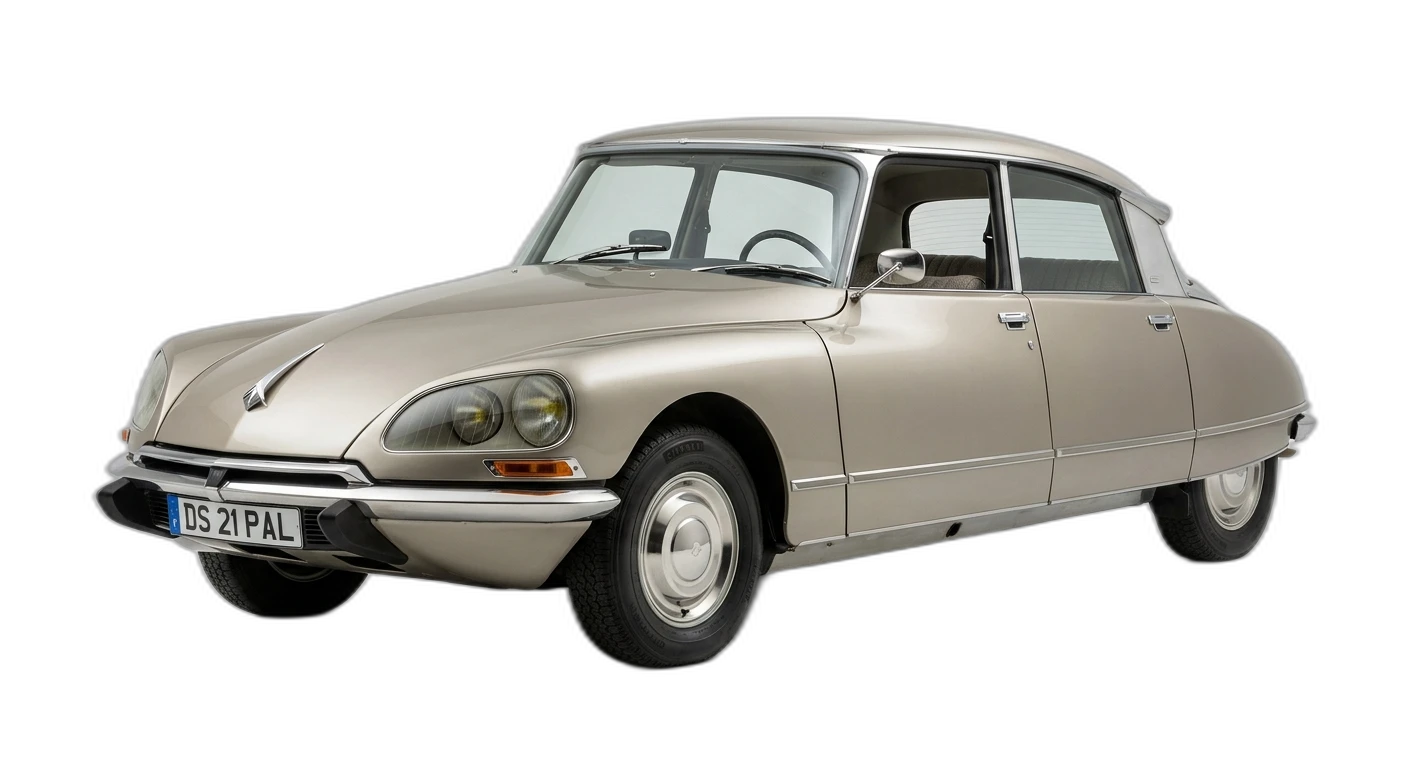
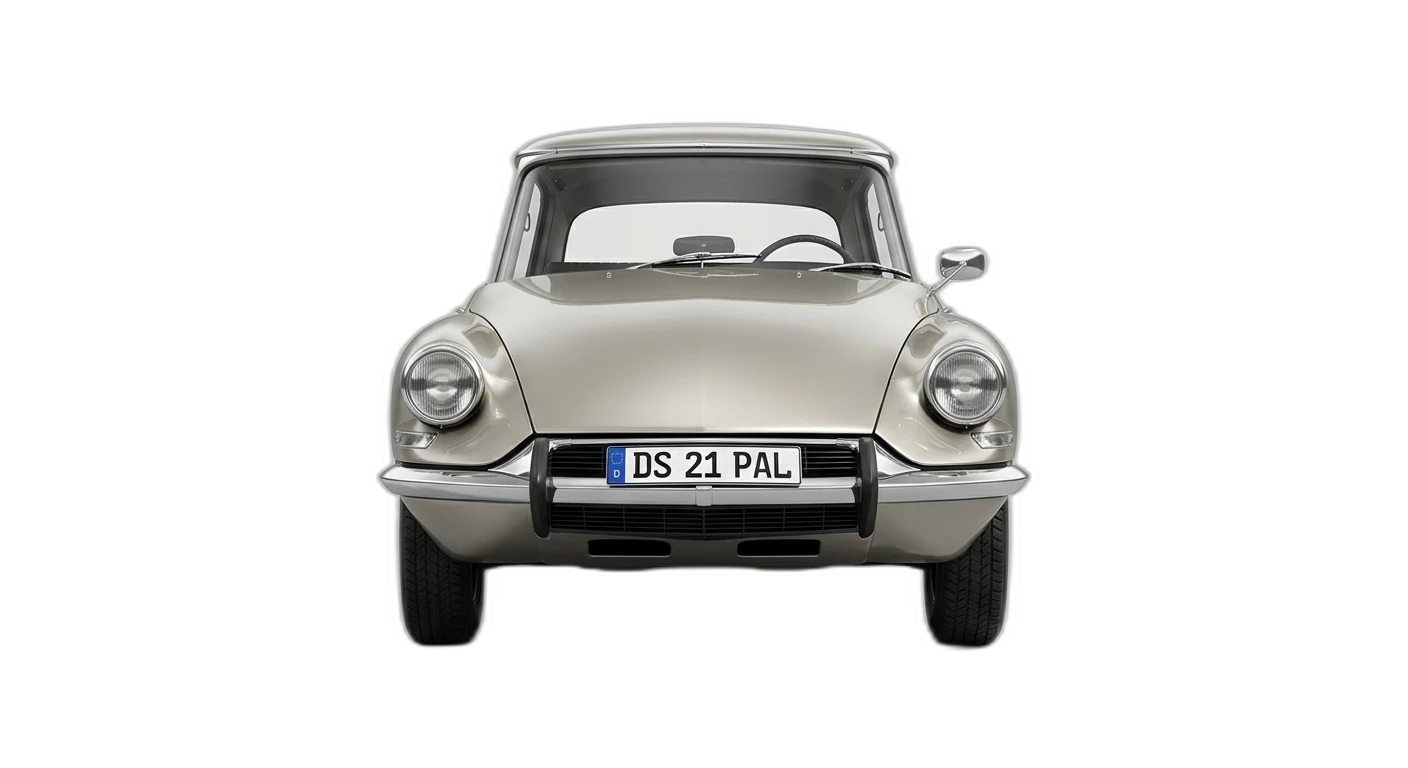
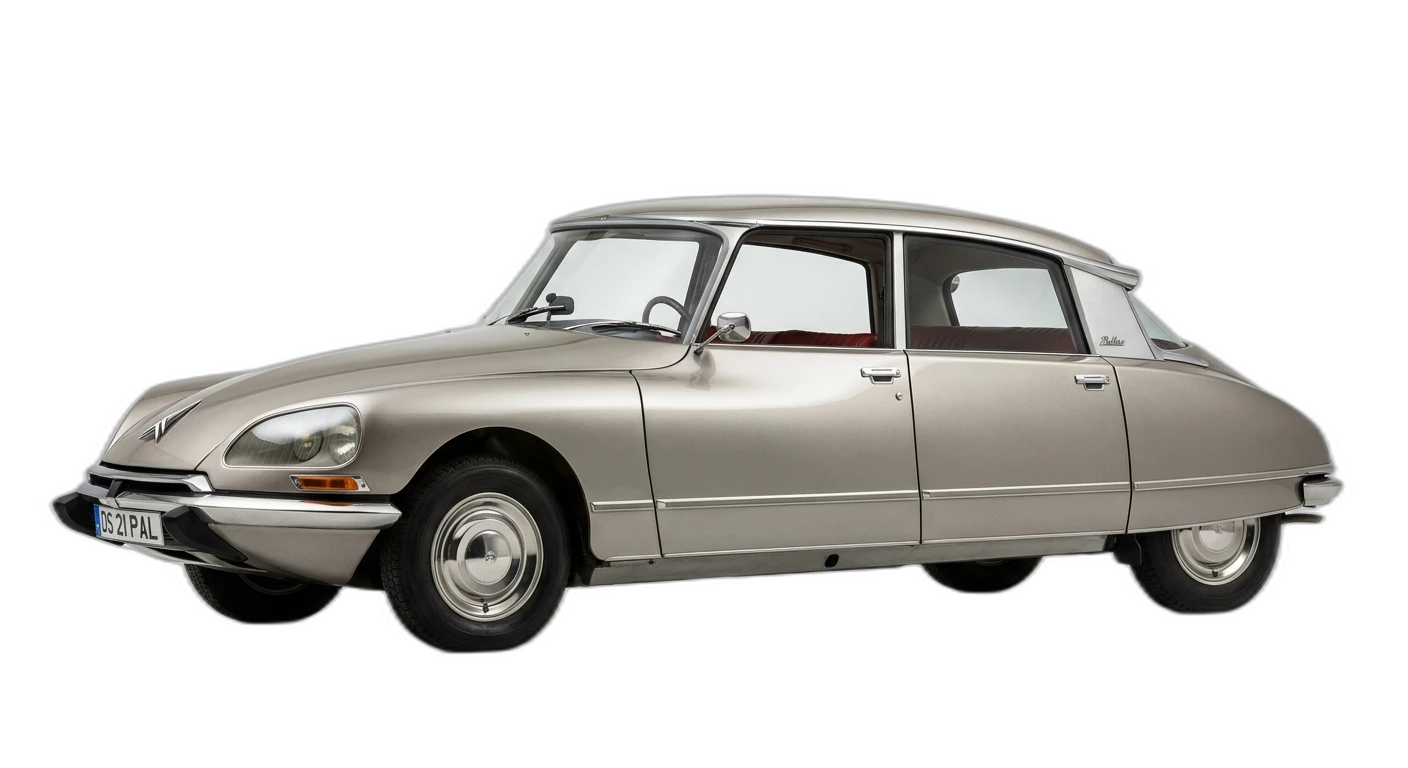
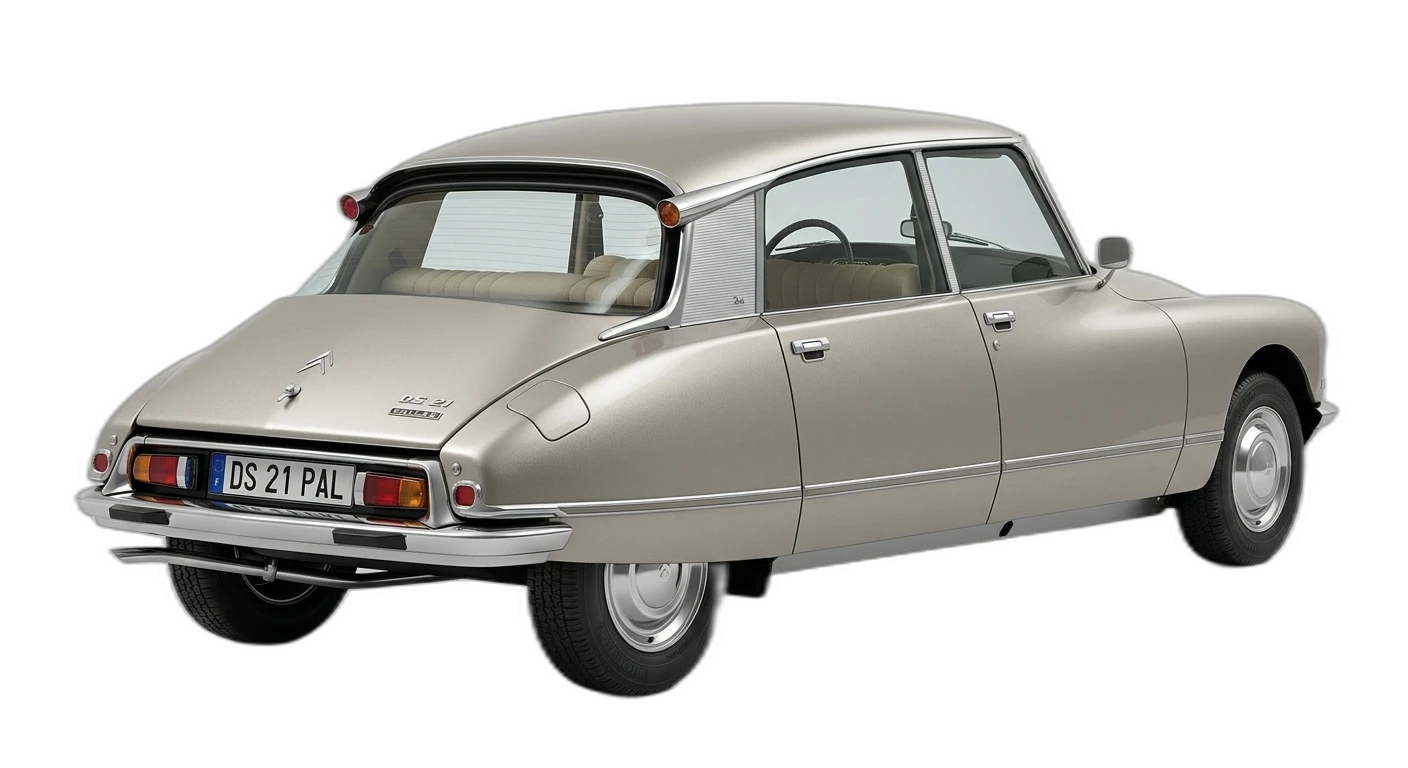
The Volvo 240 became the definitive expression of Volvo's safety-first philosophy and Swedish rationalism, earning a reputation as virtually indestructible that turned it into a cultural icon. Its 19-year production run and nearly 3 million units made it one of the most enduring car designs in history, beloved by everyone from academics to punk rockers.
History
The Volvo 240 series was introduced in 1974 as an evolution of the 140 series, featuring the same basic architecture of a rear-wheel-drive sedan and estate with an inline engine. Designed by Jan Wilsgaard, the 240's boxy, angular styling was the purest expression of form following function in automotive design. Every line served a purpose: the large glass area maximized visibility, the flat panels were easy and economical to manufacture and repair, and the substantial bumpers protected occupants in low-speed collisions. The car was not styled to be beautiful but achieved an austere elegance through its honesty.
The 240 was a pioneer in automotive safety, incorporating crumple zones, a reinforced passenger cell, side-impact protection, and three-point seatbelts as standard equipment long before these features were mandated by regulation. The lambda sond (oxygen sensor), first fitted to the 240 in 1976, was a Volvo innovation that helped control emissions and would become universal across the industry. Mechanically, the 240 was deliberately conservative: the inline four-cylinder engine was robust and understressed, the rear axle was a solid unit located by trailing arms, and the rack-and-pinion steering was precise and direct.
The 240 became a cultural phenomenon that transcended its role as mere transportation. In the United States, it became the car of choice for academics, architects, and progressive professionals who valued its safety and understated intelligence. In Sweden, it was simply the national car, as ubiquitous as IKEA furniture. The estate version, particularly, achieved cult status, appearing in films, television shows, and music videos as a symbol of practical rationality. The 240 Turbo's motorsport success added an unexpected dimension to the car's image, proving that even the most sensible Volvo could be exciting.
Production ended in 1993 after 19 years and nearly 2.9 million cars, an extraordinary run for a single model. Today, the 240 enjoys a devoted global following. The cars are prized for their reliability, ease of maintenance, and the immense aftermarket support that has developed over decades. Estate models are the most desirable, particularly the later turbo-equipped versions. The 240 has transcended its original market position to become a genuine design classic, recognized by museums and design institutions as one of the most honest and successful automotive designs of the 20th century.
Production & Heritage
Value estimates are editorial assessments based on recent auction results and market trends.
Technical Specifications
Engine Details
Performance
Tags
Designed by Jan Wilsgaard
From the 1970s