
SZ (Sprint Zagato) ES-30
The SZ was one of the most visually provocative cars of the late 1980s, featuring angular composite bodywork that earned it the nickname 'Il Mostro' (The Monster). Beneath its controversial exterior lay a chassis of extraordinary capability, making it one of the finest-handling Alfa Romeos ever produced.
History
The Alfa Romeo SZ (Sprint Zagato), also known by its internal designation ES-30, is one of the most polarizing cars in automotive history. When it was unveiled in 1989, reactions ranged from outright disgust to fervent admiration — there was no middle ground. The car's angular, aggressive bodywork, penned by Robert Opron in collaboration with Zagato and Alfa Romeo's Centro Stile, featured sharp edges, dramatic surface changes, and a visual aggression that was completely at odds with the smooth, curvaceous designs that characterized most Italian sports cars. The Italian press quickly dubbed it 'Il Mostro' — The Monster — a nickname that the car has worn with perverse pride ever since.
Beneath the controversial exterior, the SZ was a serious engineering exercise. Based on a shortened and stiffened version of the Alfa Romeo 75's platform, the SZ featured the 3.0-liter Busso V6 engine producing 210 horsepower, mated to a five-speed manual gearbox in the transaxle configuration that characterized Alfa Romeo's rear-wheel-drive cars of the period. The body panels were made from composite materials — a thermoplastic resin reinforced with glass fiber — which contributed to a relatively low curb weight and also allowed the production of the complex surface forms that defined the car's appearance. The chassis was developed with assistance from Fiat's Elasis research center and featured a sophisticated suspension setup with Koni adjustable dampers.
The SZ's dynamic capabilities were extraordinary. Contemporary road tests recorded lateral acceleration figures that exceeded 1g — remarkable for a road car in 1989 — and the car's combination of razor-sharp turn-in, immense grip, and progressive breakaway characteristics made it one of the most rewarding cars of its era to drive at the limit. The transaxle layout provided excellent weight distribution, and the stiff body structure ensured that the suspension could work as intended. For a car that looked so uncompromising, the SZ was surprisingly civilized on the road, with adequate comfort for long journeys and a level of refinement that belied its aggressive appearance.
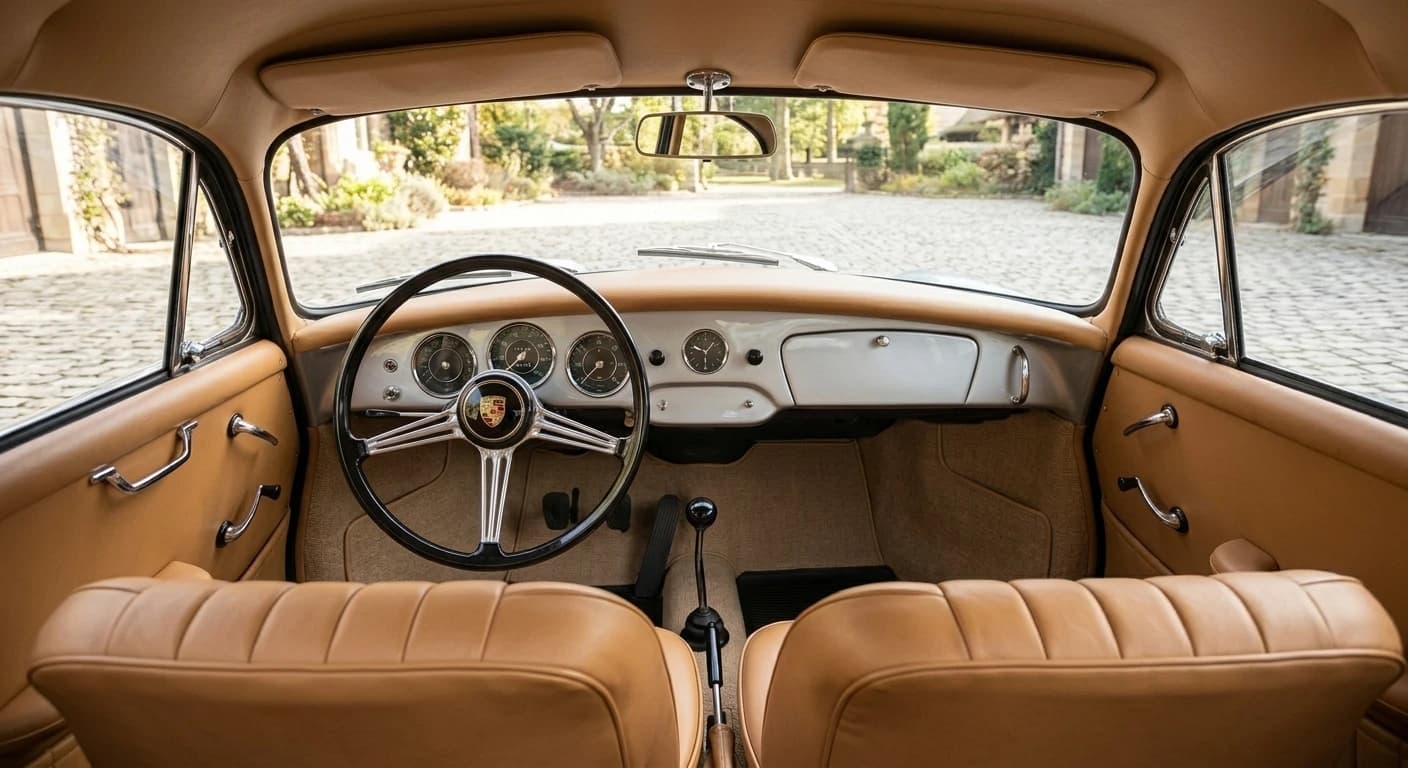
Production was limited to 1,036 units, all finished in the same shade of Alfa Red with a tan interior — there were no options, no color choices, and no variations. A convertible version, the RZ (Roadster Zagato), followed in 1992 with a production run of 278 units. Today, the SZ has transcended its initial controversy to become one of the most collectible modern Alfa Romeos. Its combination of extreme rarity, extraordinary dynamic capabilities, and that unmistakable design — which has aged far better than its critics predicted — makes it increasingly valuable. The SZ stands as a testament to Alfa Romeo's willingness to take creative risks, and its uncompromising character continues to attract enthusiasts who appreciate automotive design that challenges rather than merely pleases.
Timeline
Production & Heritage
Value estimates are editorial assessments based on recent auction results and market trends.
Technical Specifications
Engine Details
Performance
Tags
Designed by Robert Opron / Zagato / Centro Stile Alfa Romeo
From the 1980s
Featured in Collections
More in Sports
See all



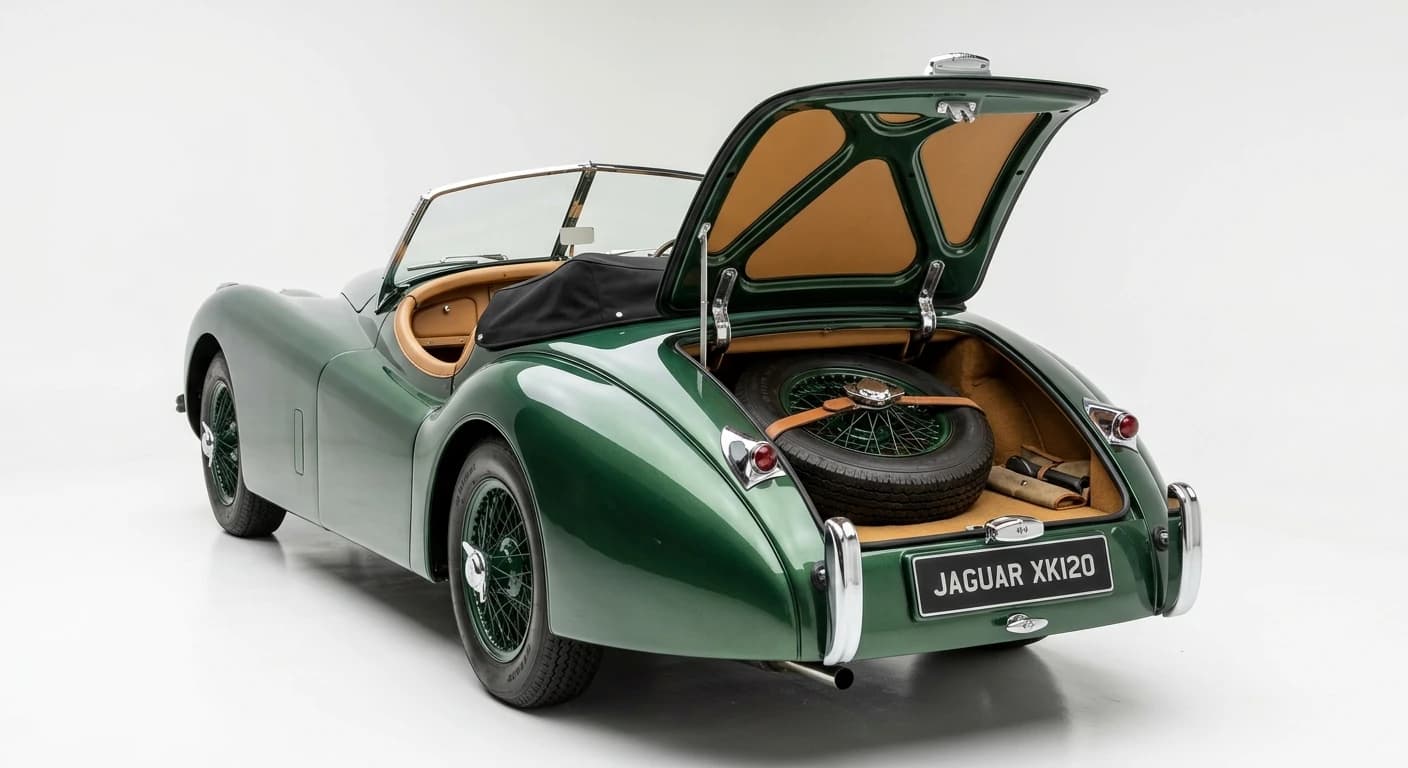
XK120
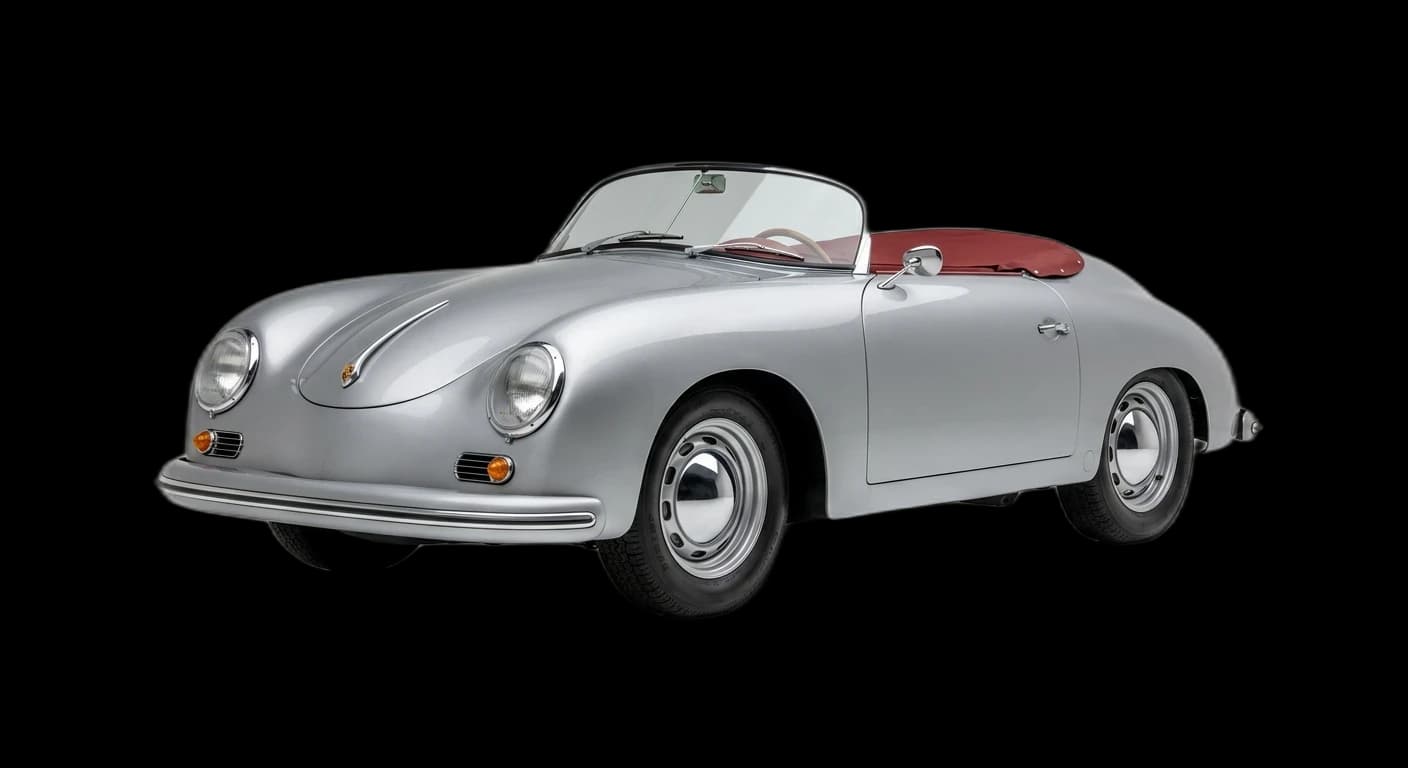

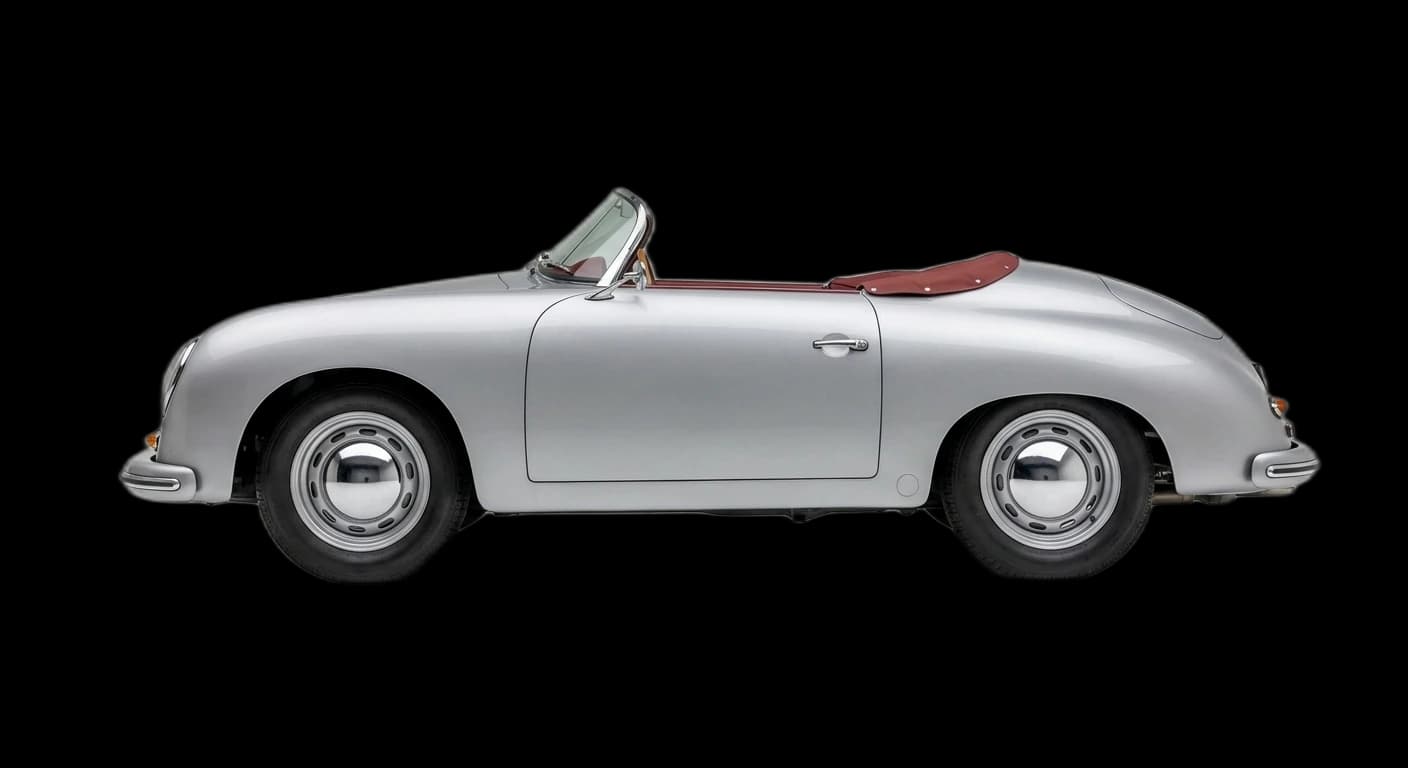
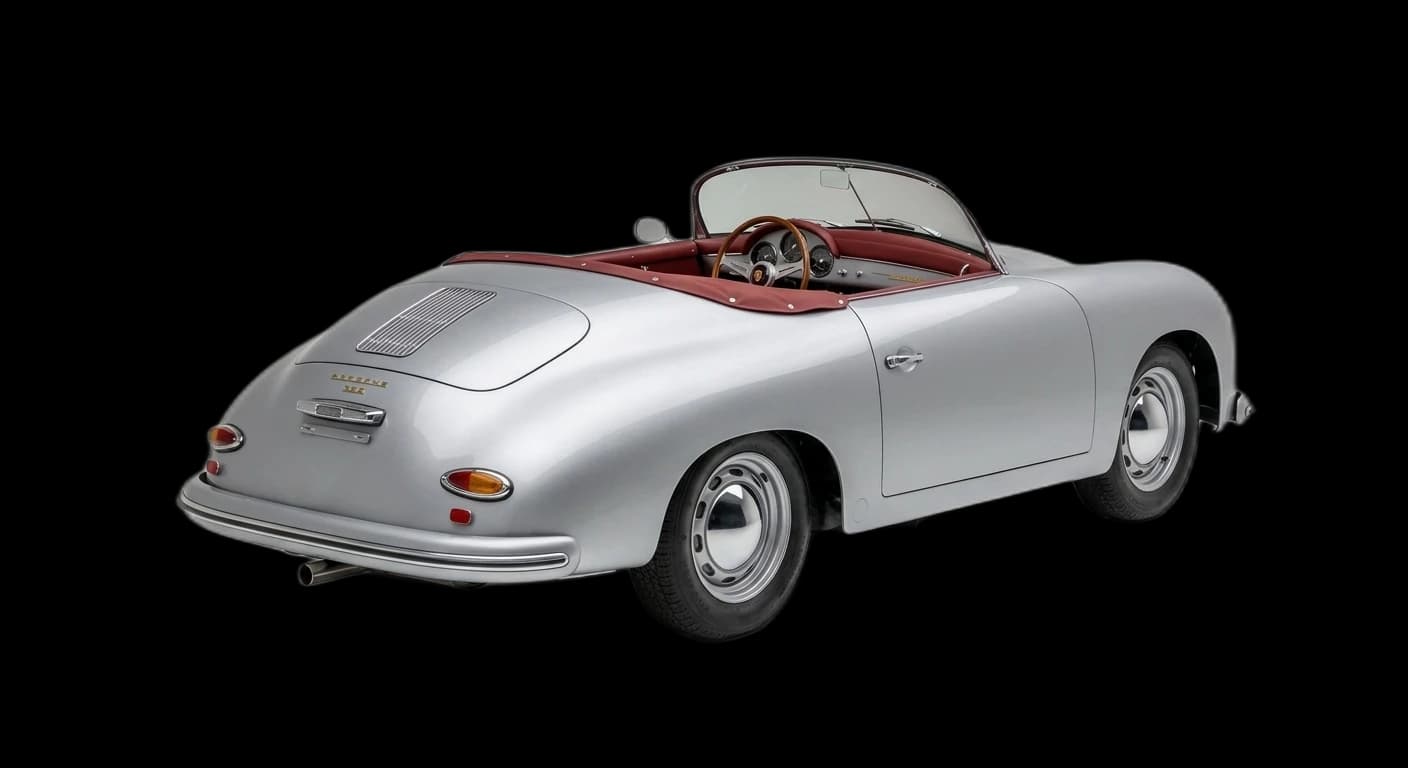

356 Speedster
356 Pre-A
