
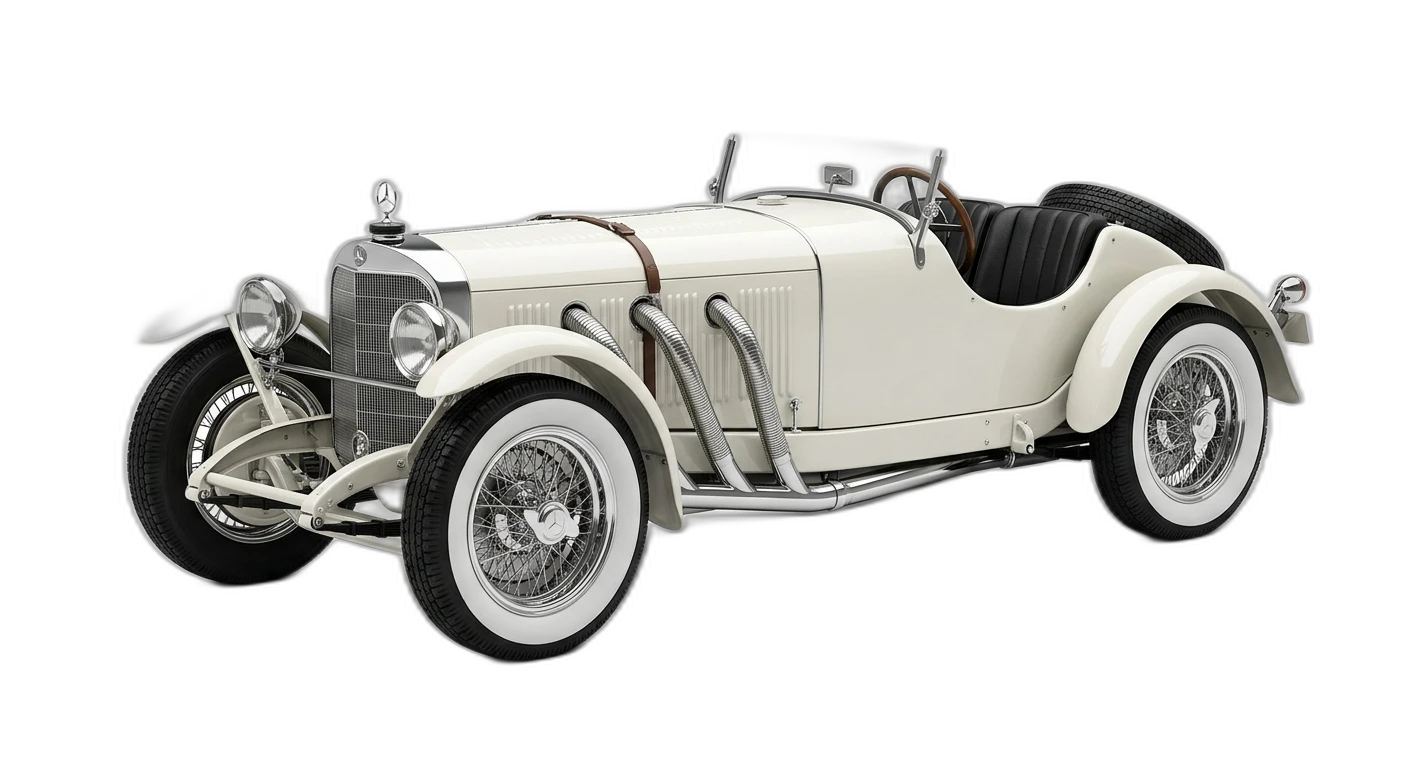
The pre-war Silver Arrow. SSK stands for Super Sport Kurz (short). Designed by Ferdinand Porsche before he left Mercedes to found his own company. Won the Mille Miglia, Irish Grand Prix, and Argentine Grand Prix. The most successful pre-war Mercedes racing car.
History
Ferdinand Porsche designed the SSK as a shortened, lightened version of the SS (Super Sport). The 7.1-liter supercharged inline-six produced 300 PS when the Roots-type blower was engaged by pressing the throttle to the floor. Without the supercharger, the engine produced 170 PS for normal driving.
Rudolf Caracciola, Mercedes-Benz's greatest pre-war driver, won the 1931 Mille Miglia in an SSK, the first non-Italian to win Italy's most prestigious race. The victory established Mercedes-Benz's racing reputation that would continue through the Silver Arrows of the 1930s and beyond.
The SSK was enormous, powerful, and terrifying. The supercharger produced a distinctive screaming sound at full boost. The car required physical strength to drive fast and extreme skill to drive fast and survive.
Only 33 SSKs were built. They are among the most valuable cars in existence, with values exceeding EUR 5 million. The SSK directly inspired the Silver Arrow tradition that continues with modern AMG models.
Ferdinand Porsche left Mercedes-Benz in 1931 to establish his own design consultancy, which would eventually produce the Volkswagen Beetle and the first Porsche.
Timeline
Production & Heritage
Value estimates are editorial assessments based on recent auction results and market trends.
Technical Specifications
Engine Details
Performance
Dimensions
Chassis & Suspension
Capacity
Source: Wikipedia, Mercedes-Benz Classic
Tags
Designed by Ferdinand Porsche
From the 1920s
Featured in Collections
References & Sources


More in Racing
See all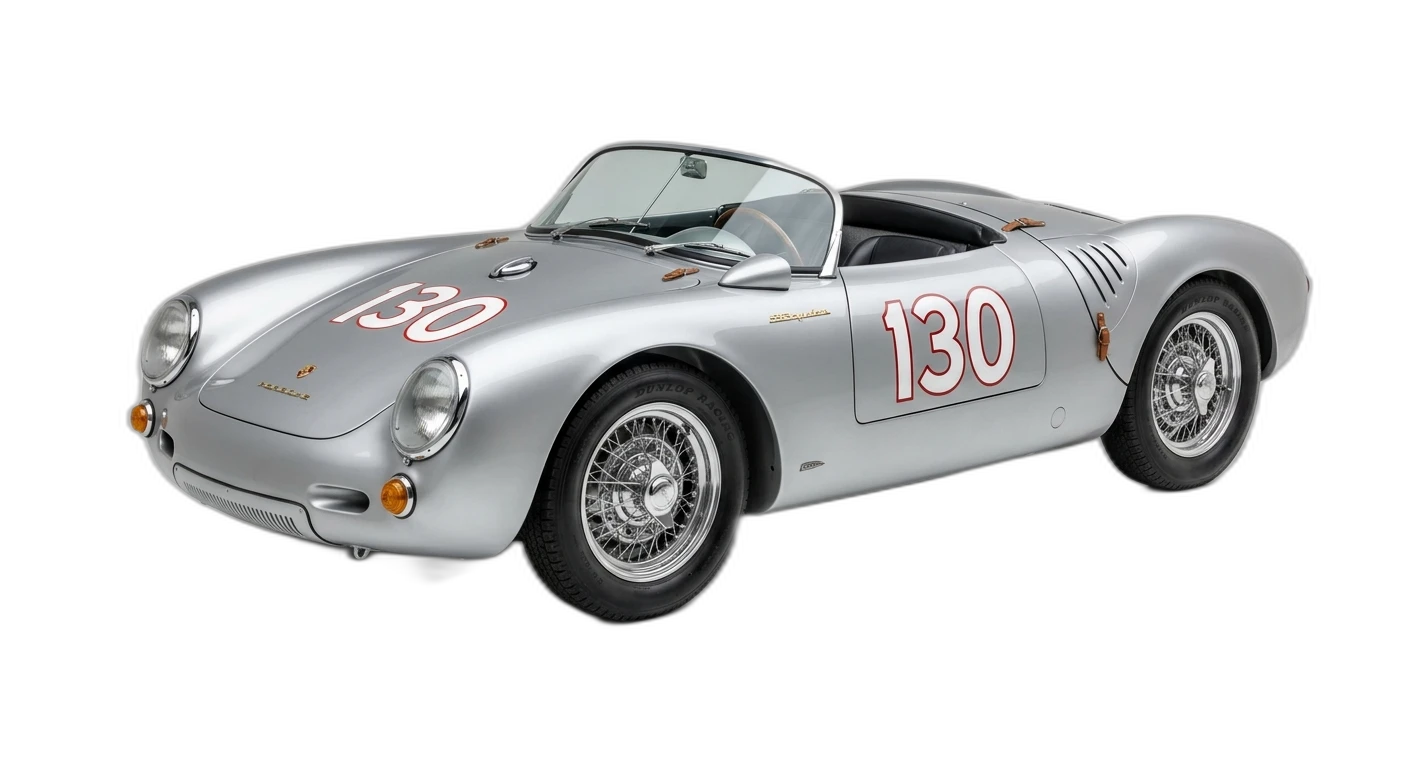
550 Spyder
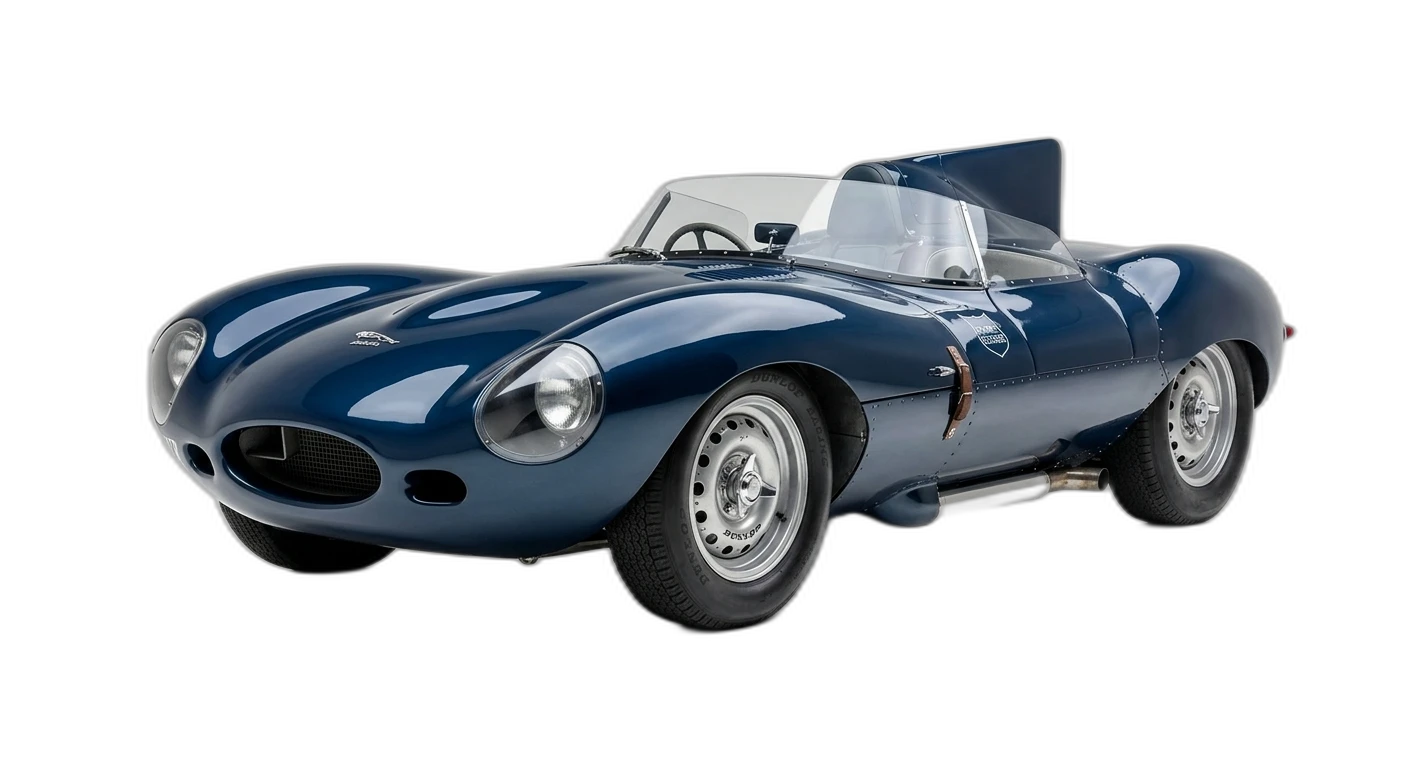
D-Type
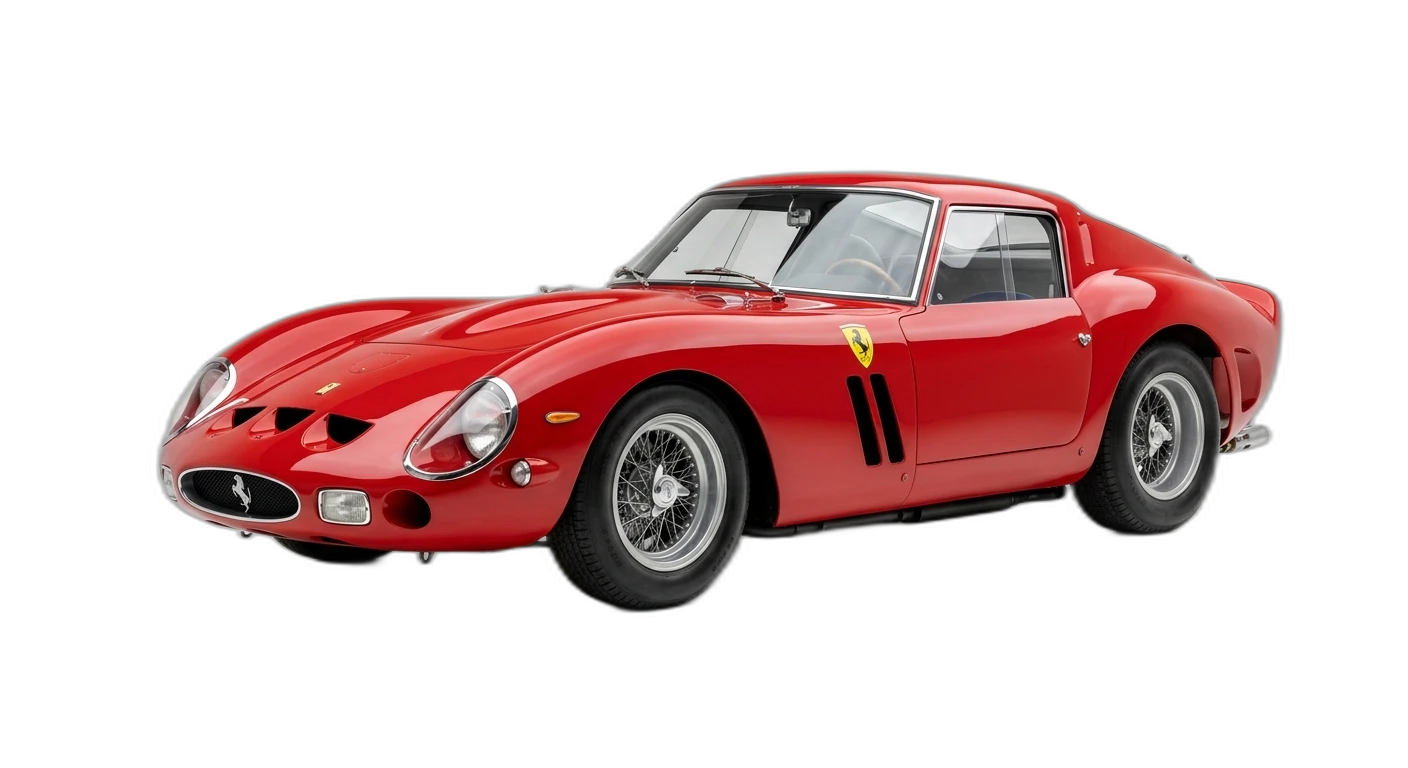
250 GTO