The Bugatti Veyron 16.4 redefined the concept of the hypercar when it became the first production car to exceed 250 mph, featuring an 8.0-liter quad-turbocharged W16 engine producing 1,001 hp. It was an engineering tour de force that many believed was impossible to build, and it established Bugatti as the ultimate name in automotive performance.
History
The Bugatti Veyron 16.4 was the realization of a vision that began when Volkswagen Group acquired the Bugatti brand in 1998 and chairman Ferdinand Piech declared that the new Bugatti would produce 1,001 PS (987 hp), exceed 400 km/h, and accelerate from 0-100 km/h in under three seconds. Many industry observers believed these targets were impossible to achieve simultaneously in a road-legal, air-conditioned luxury car. Development was led by a team of engineers from across the VW Group, and the project consumed over a decade and an estimated one billion euros before the first customer car was delivered in 2005.
The Veyron's W16 engine was created by essentially combining two narrow-angle V8 engines on a common crankcase, displacing 7,993cc and fitted with four turbochargers. The resulting 1,001 hp and 1,250 Nm of torque were transmitted to all four wheels through a seven-speed dual-clutch gearbox developed by Ricardo. The car featured ten radiators to manage the enormous heat generated by the engine, and its aerodynamic package included a rear wing that automatically deployed and adjusted based on speed. At top speed, the Veyron consumed its entire fuel tank in approximately 12 minutes, a fact that revealed the staggering energy involved in pushing a road car beyond 400 km/h.
The Veyron achieved its engineering targets and then some. The standard car reached 408.47 km/h in testing, and the later Super Sport variant set a new production car speed record of 431.072 km/h in 2010. The car was not merely a straight-line missile, however: its all-wheel-drive system, carbon fiber monocoque structure, and sophisticated chassis electronics made it remarkably stable and composed at any speed. Critics noted that the Veyron was as easy to drive at 50 km/h as at 350 km/h, a tribute to the depth of engineering that underpinned the project.
Total production of the Veyron, including all variants (16.4, Grand Sport, Super Sport, Grand Sport Vitesse, and numerous special editions), reached approximately 450 units before the model was replaced by the Chiron in 2016. Each car was sold at a significant loss for Volkswagen, with estimates suggesting the company lost approximately five million euros per unit. The Veyron's legacy extends far beyond its commercial performance, however. It fundamentally changed what was considered possible in a road car and launched the modern hypercar arms race that has seen successive speed records from Koenigsegg, Hennessey, SSC, and others. Values of early Veyrons have stabilized and are now appreciating, particularly for rare special editions and low-mileage examples.
Production & Heritage
Value estimates are editorial assessments based on recent auction results and market trends.
Technical Specifications
Engine Details
Performance
Tags
Designed by Jozef Kaban
From the 2000s
Featured in Collections
References & Sources

More in Sports
See all
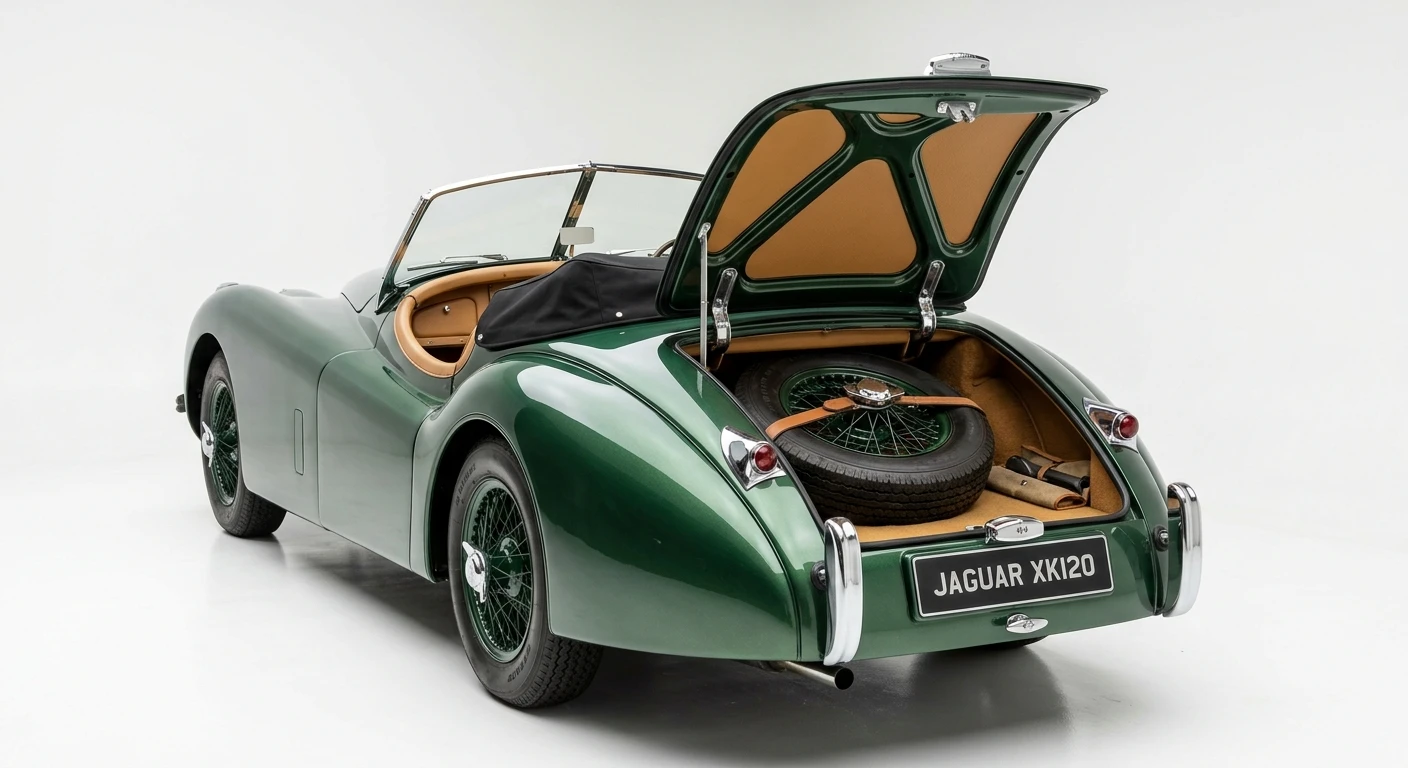
XK120
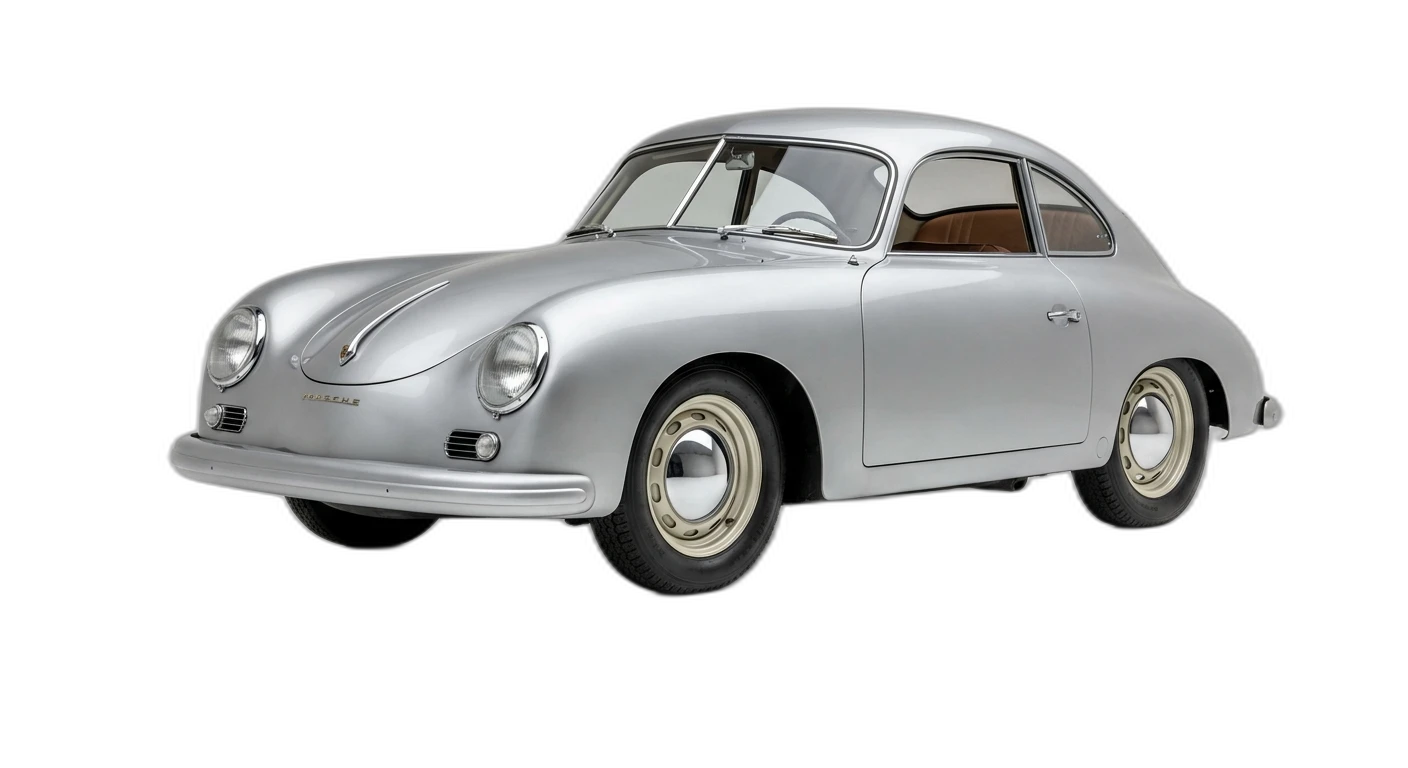
356 Pre-A
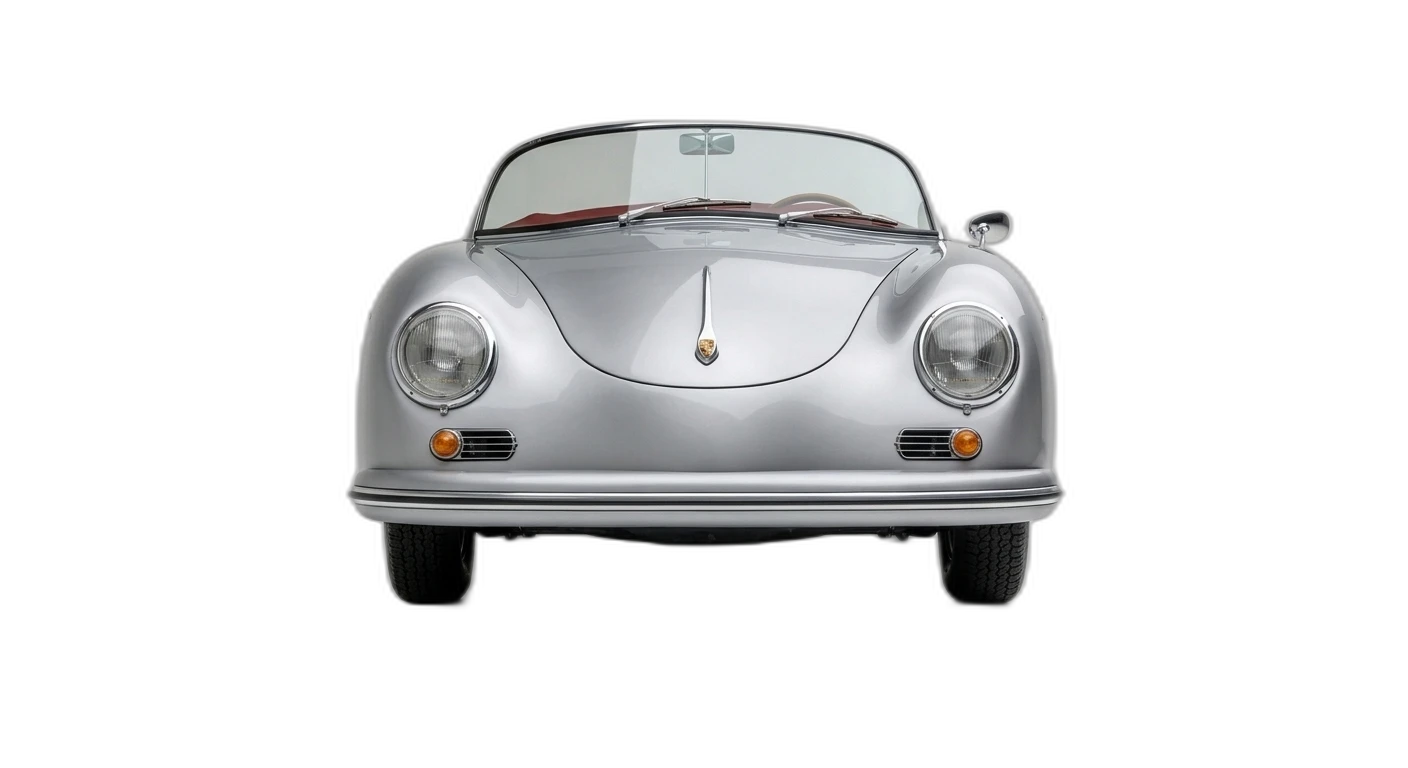
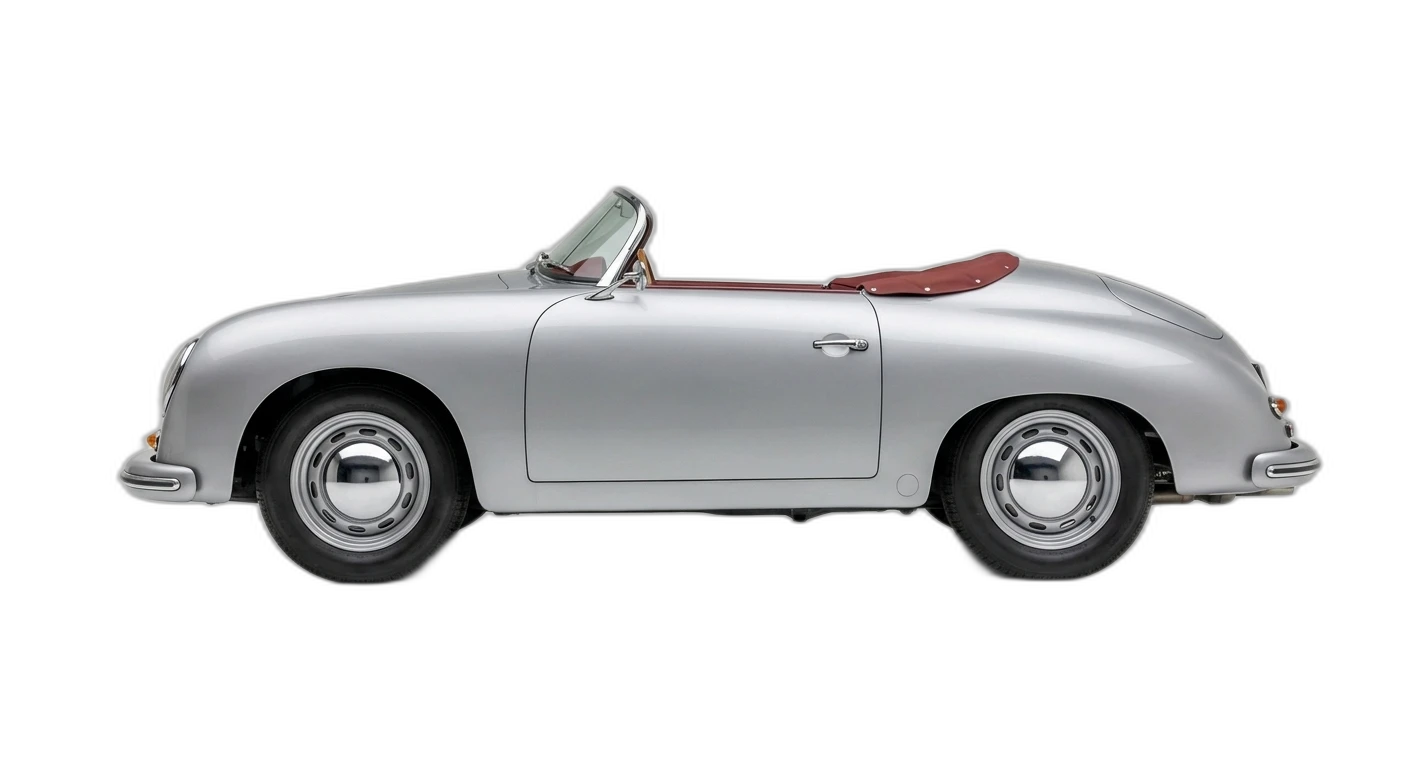
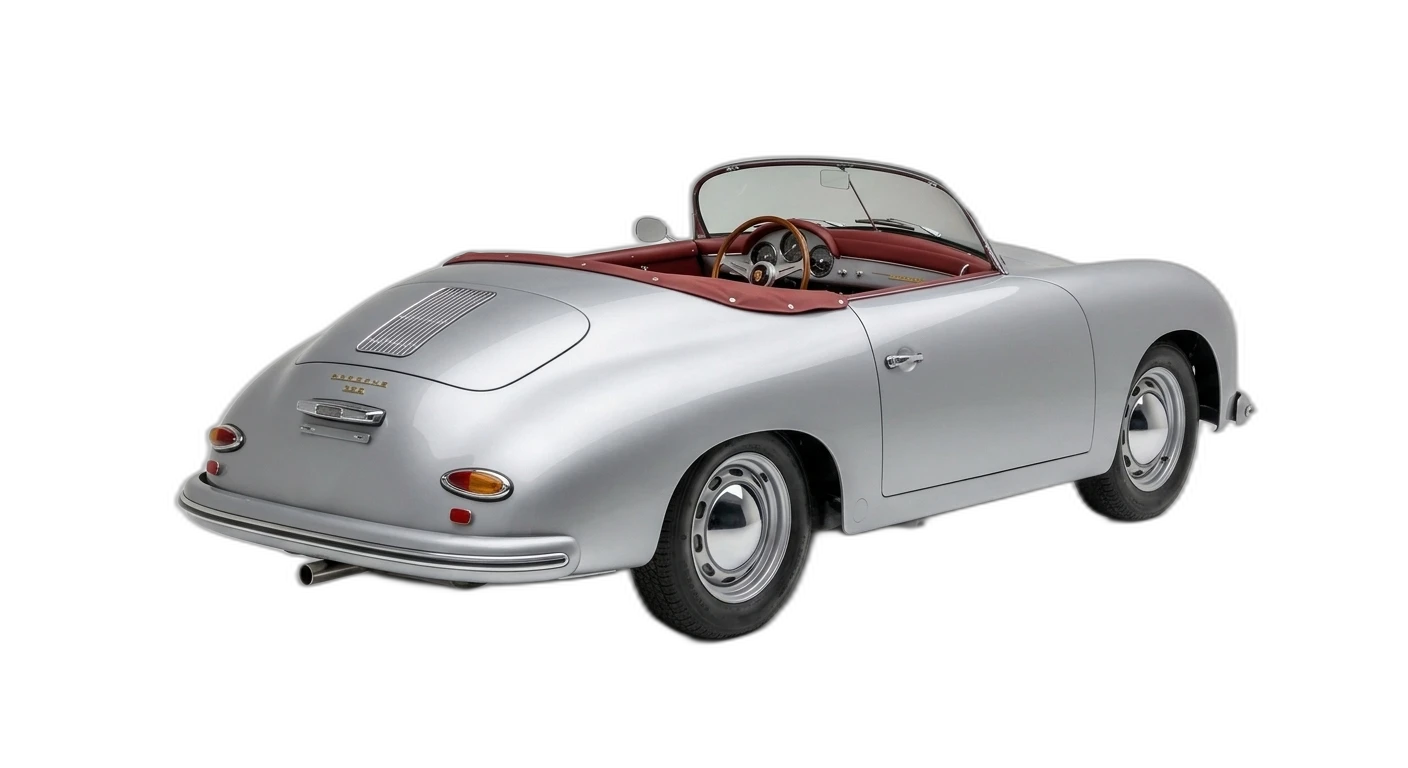
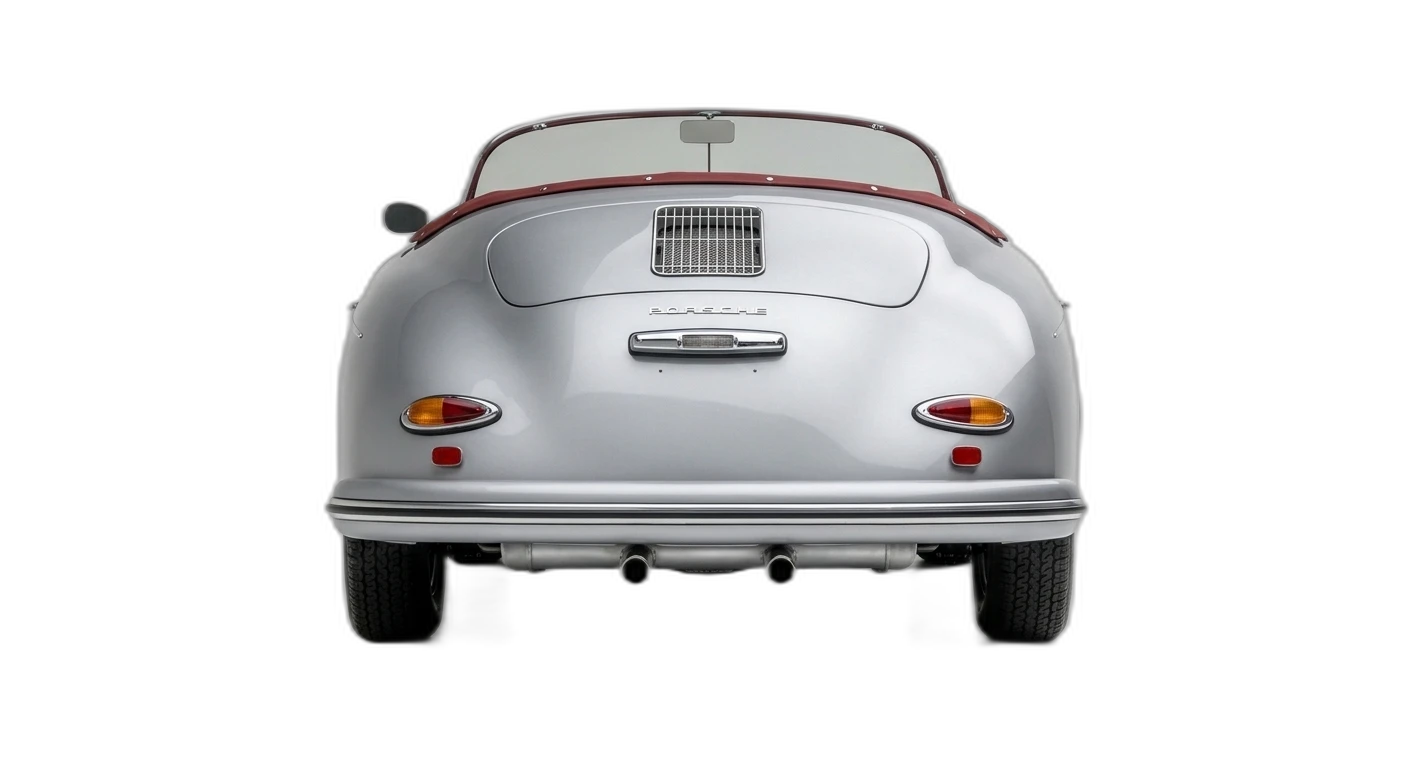
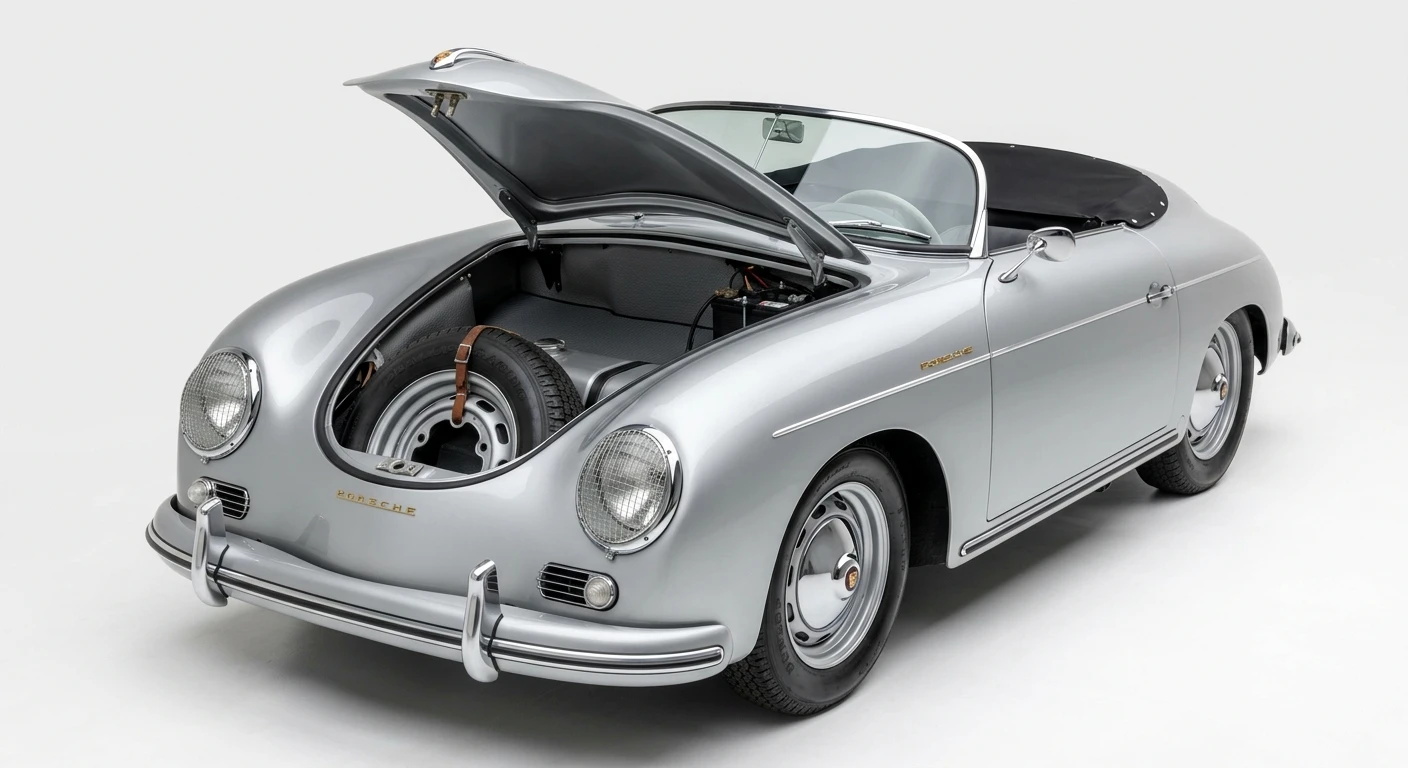
356 Speedster