
TZ (Tubolare Zagato)
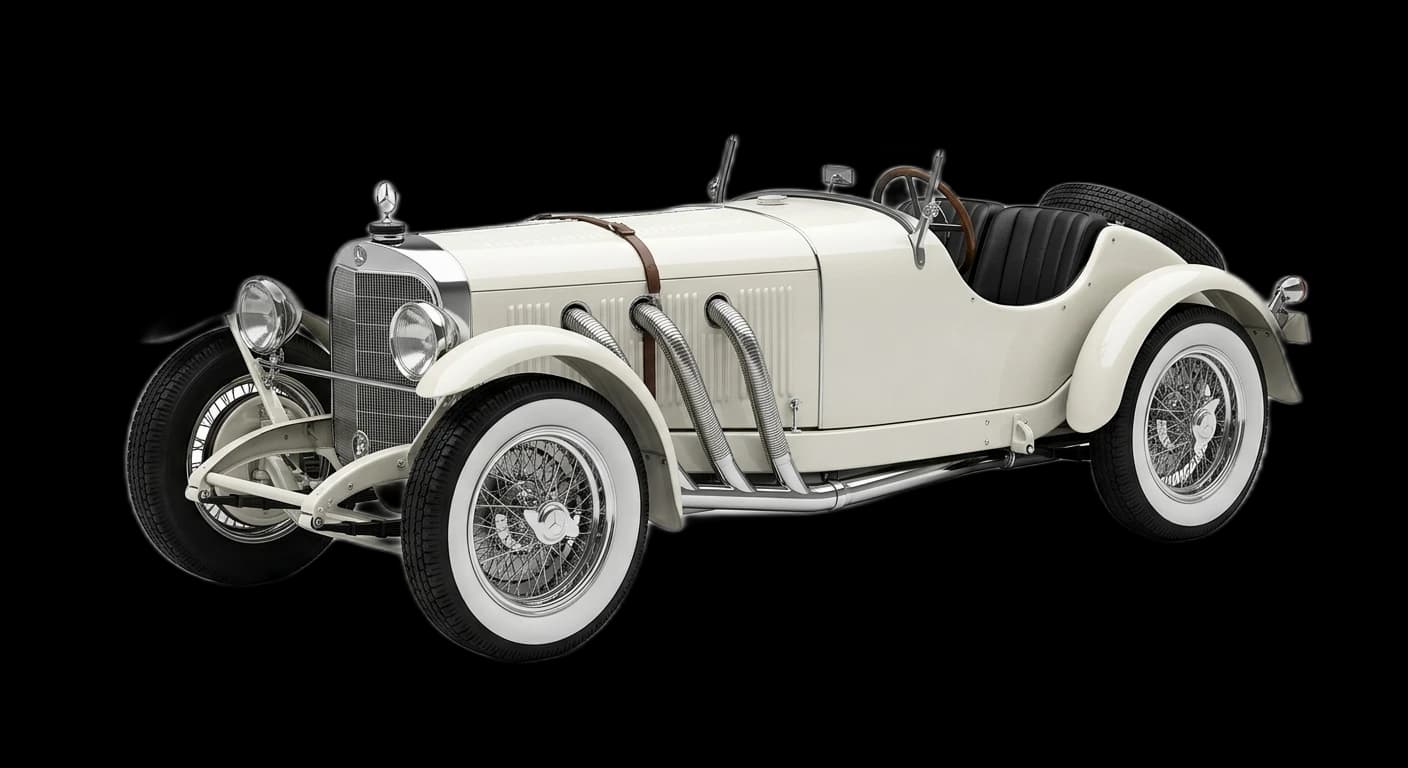
The TZ (Tubolare Zagato) was a purpose-built lightweight competition coupe that combined Zagato's aerodynamic expertise with a tubular chassis and the twin-cam Alfa Romeo engine. Its remarkable competition record at Le Mans, Sebring, and the Targa Florio cemented its reputation as one of the finest small-displacement racing cars of the 1960s.
History
The Alfa Romeo TZ, standing for Tubolare Zagato, was one of the most successful and beautifully conceived competition cars of the 1960s. The project originated from a collaboration between Alfa Romeo, Autodelta (Alfa Romeo's racing department directed by Carlo Chiti), and Carrozzeria Zagato. The car was designed to compete in the GT category of international sports car racing, where its combination of light weight, aerodynamic efficiency, and the proven Alfa Romeo twin-cam engine would give it a decisive advantage in the sub-1.6-liter class.
The TZ's chassis was the key to its performance. Designed by Chiti's team at Autodelta, it consisted of a complex tubular steel space frame that was both incredibly light and remarkably rigid. The body, designed by the young Ercole Spada at Zagato, was a masterpiece of functional aerodynamics — a smooth, flowing shape that channeled air efficiently over and around the car while providing adequate cockpit space for two occupants. The truncated Kamm tail, which became a Zagato signature, was designed to minimize drag without the weight penalty of a longer, tapered tail section. The overall weight of the car was approximately 660 kilograms, extraordinary even by the standards of a purpose-built competition car.
The TZ used the 1,570cc twin-cam four-cylinder engine from the Giulia, tuned by Autodelta to produce approximately 112 horsepower in standard trim and up to 160 horsepower in full racing specification. While these figures might seem modest, the car's featherweight construction meant that performance was exceptional. The TZ could reach speeds approaching 215 km/h and could outpace many cars with significantly larger engines. In competition, the TZ achieved outstanding results, including class victories at the 24 Hours of Le Mans, the 12 Hours of Sebring, the Targa Florio, and the Tour de France Automobile. The car was competitive against the Porsche 904 and other dedicated racing machines of the era.
Approximately 112 TZ1 cars were built between 1963 and 1967, followed by the more extreme TZ2, which featured a fiberglass body and even lower weight but was produced in much smaller numbers — only 12 examples. Today, the TZ is recognized as one of the most important Alfa Romeo competition cars and one of the finest GT racing cars of the 1960s. Its combination of beautiful Zagato coachwork, advanced tubular chassis technology, and extraordinary competition achievements makes it highly prized by collectors and historic racing enthusiasts alike. The TZ remains a regular and welcome participant at the world's most prestigious historic motorsport events.
Timeline
Production & Heritage
Value estimates are editorial assessments based on recent auction results and market trends.
Technical Specifications
Engine Details
Performance
Tags
Designed by Ercole Spada / Zagato
From the 1960s
Featured in Collections
More in Racing
See all

SSK


550 Spyder
D-Type
