
W154
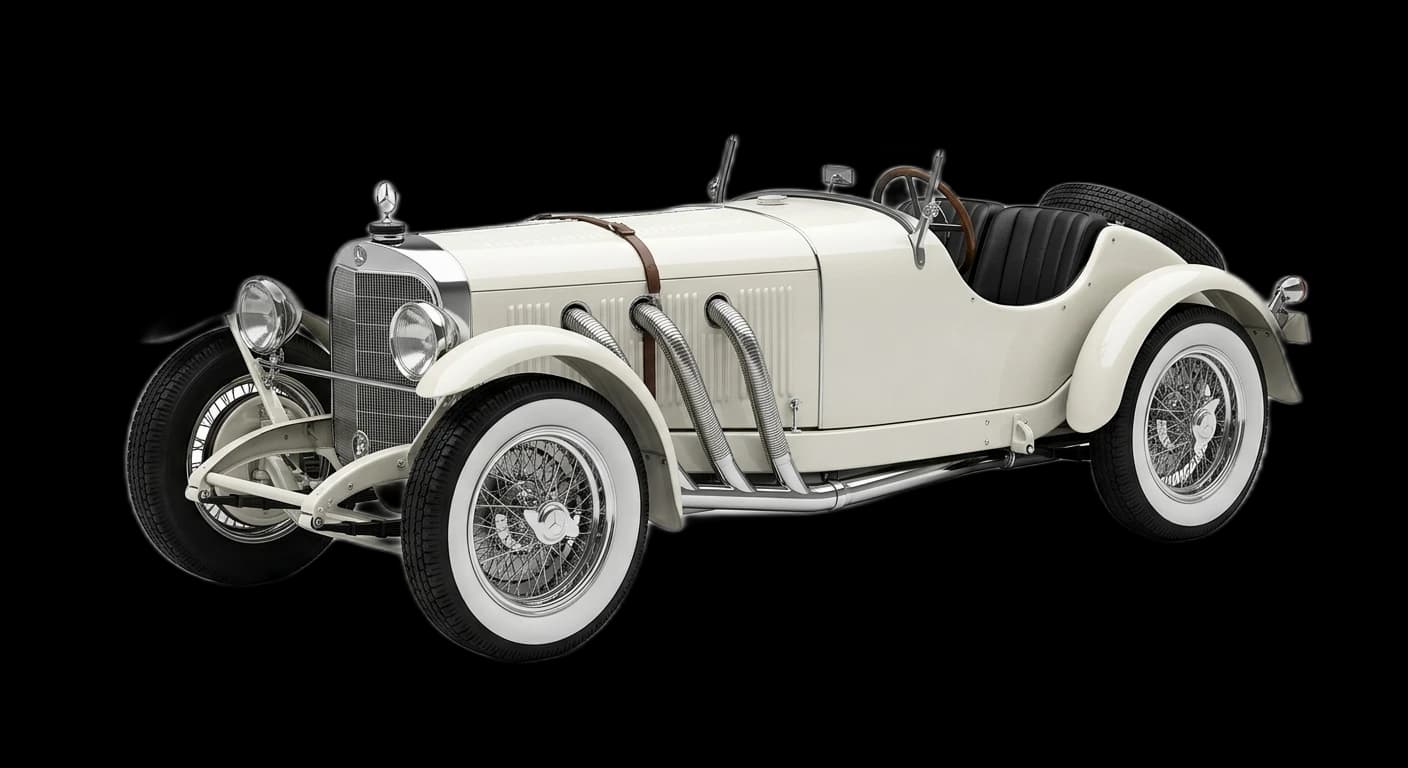
The W154 Silver Arrow dominated the 1938 Grand Prix season with its supercharged V12 engine and represented the pinnacle of pre-war racing technology. It was the last of the legendary Silver Arrows before World War II halted motor racing and remains one of the most iconic racing cars ever built.
History
The Mercedes-Benz W154 was developed for the 1938 Grand Prix season after the FIA introduced a new formula limiting engine capacity to 3.0 liters supercharged or 4.5 liters naturally aspirated. This regulation was intended to slow the increasingly powerful German cars that had dominated racing since 1934. Mercedes responded by creating an entirely new car with a supercharged 3.0-liter V12 engine, replacing the previous W125's supercharged straight-eight. The project was led by chief engineer Rudolf Uhlenhaut, who was himself an exceptionally talented driver.
The W154's M154 engine was a masterpiece of pre-war engineering. The 60-degree V12 displaced 2,962cc and used two-stage supercharging with twin Roots-type blowers to produce approximately 483 hp at 7,800 rpm, an extraordinary specific output for the era. The engine featured dual overhead camshafts per bank, four valves per cylinder, and sodium-cooled exhaust valves, technologies that would not become common in road cars for decades. The chassis was a tubular spaceframe with independent suspension on all four corners, using double wishbones at the front and de Dion tube at the rear.
The W154 dominated the 1938 European Championship season. Hermann Lang, Rudolf Caracciola, and Manfred von Brauchitsch shared victories across the season's grands prix, with Lang taking the title. The car's superiority was such that only the Auto Union D-Type could occasionally challenge it. The W154W variant, with a modified engine and body, continued to race in 1939, winning the Tripoli Grand Prix and other events before the outbreak of World War II brought motor racing to a halt.
Surviving W154 cars are among the most valuable and historically significant racing machines in existence. Mercedes-Benz Classic maintains several examples in running condition, and they regularly appear at historic events including the Goodwood Festival of Speed. The W154 represents the absolute pinnacle of pre-war racing technology and the culmination of the Silver Arrows era that established Mercedes-Benz as a dominant force in motorsport. Any W154 appearing at auction would be one of the most significant sales in automotive history.
Timeline
Production & Heritage
Value estimates are editorial assessments based on recent auction results and market trends.
Technical Specifications
Engine Details
Performance
Tags
Designed by Rudolf Uhlenhaut / Max Sailer (Mercedes-Benz)
From the 1930s
Featured in Collections
More in Racing
See all

SSK
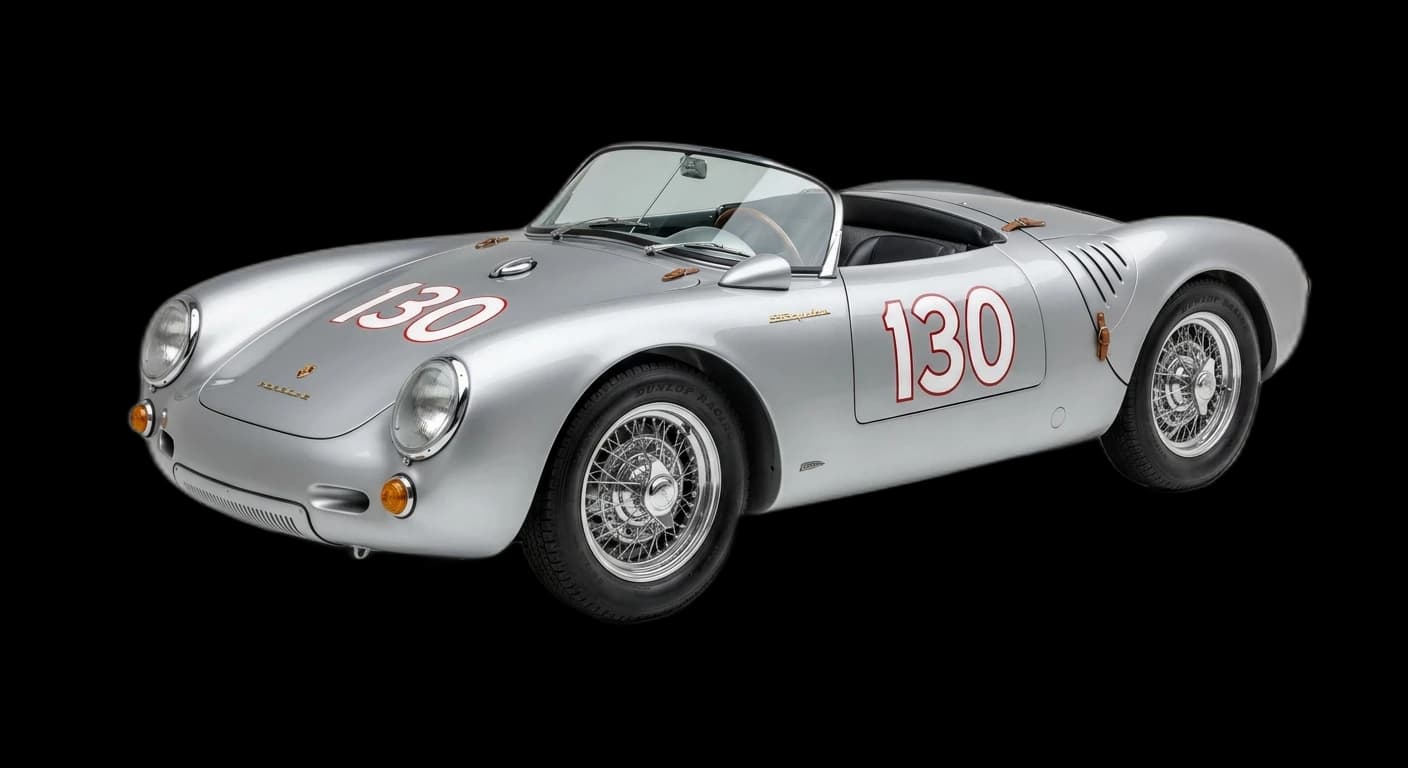


550 Spyder
D-Type
