W124 (300 E)
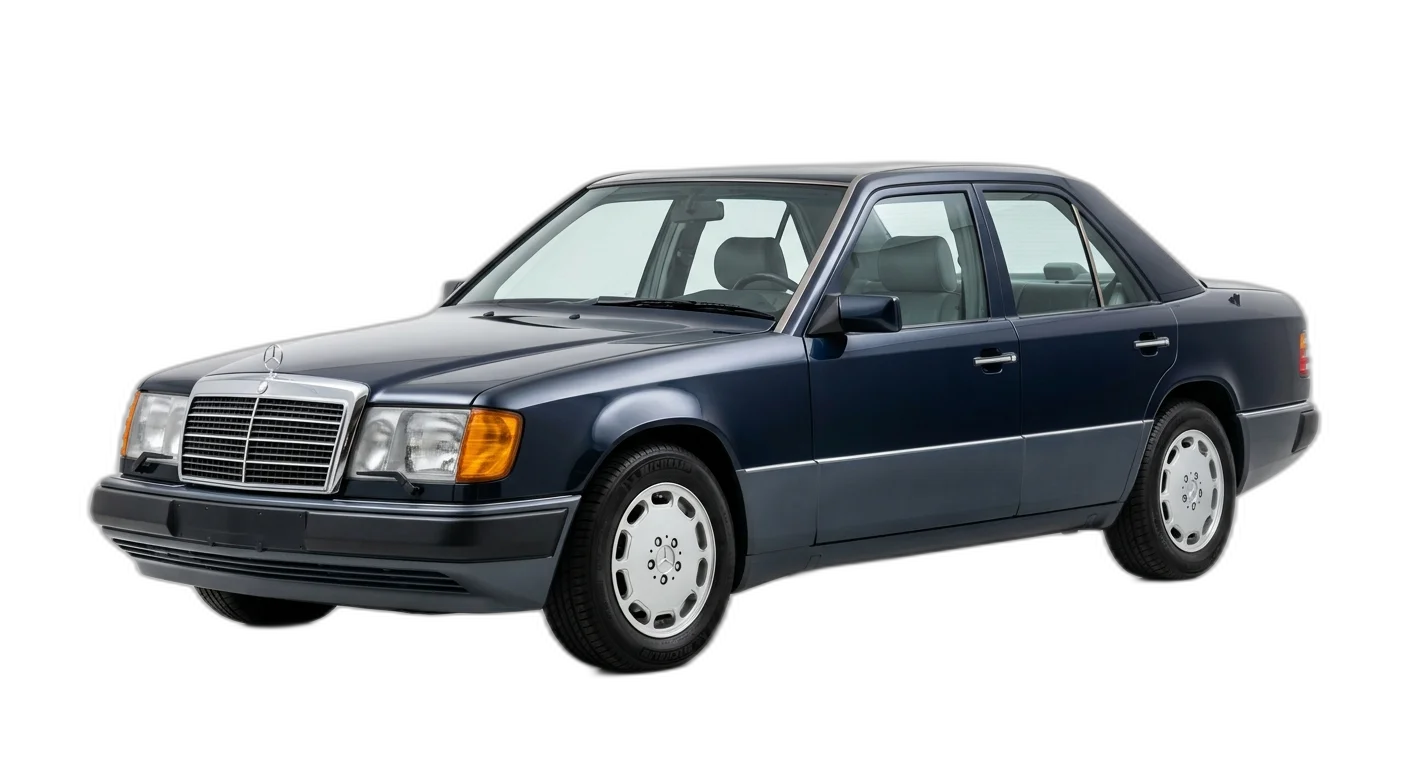
The pinnacle of Mercedes-Benz over-engineering philosophy alongside the W140 S-Class. The W124 was built with a fully galvanized body, obsessive corrosion protection, and components designed to exceed 300,000 km. Taxi operators in Germany routinely logged over a million kilometers on original engines.
History
The W124 launched in 1984 as the Mercedes-Benz medium class sedan, only receiving the "E-Class" name with the 1993 facelift. Bruno Sacco oversaw a design that prioritized durability above all else.
The body panels were zinc-coated on both sides. The gaps between panels were measured to 3mm tolerances. The doors closed with a precision that became Mercedes-Benz's acoustic signature. The paint process included cathodic dip coating, primer, basecoat, and clearcoat, then baked at temperatures that would warp modern water-based paints.
The multi-link rear suspension was a Mercedes-Benz innovation using five separate arms per wheel, each controlling a different axis of movement. This gave the W124 handling precision that contradicted its executive-car weight.
The M103 inline-six and M104 that followed were designed for 300,000+ km service lives. The OM603 inline-six diesel was even more durable. The W124 was also available as sedan, coupe (C124), estate (S124), convertible (A124), and long-wheelbase.
The W124's successor, the W210 E-Class, launched in 1995 with early rust problems. Mercedes had begun cutting costs. The contrast with the W124 was stark. Today, clean W124s are appreciating. Standard sedans in good condition sell for EUR 15,000 to EUR 30,000.
Timeline
Production & Heritage
Value estimates are editorial assessments based on recent auction results and market trends.
Technical Specifications
Engine Details
Performance
Dimensions
Chassis & Suspension
Capacity
Source: Mercedes factory specs
Tags
Designed by Bruno Sacco
From the 1980s
Featured in
Featured in Collections
References & Sources


More in Sedan
See all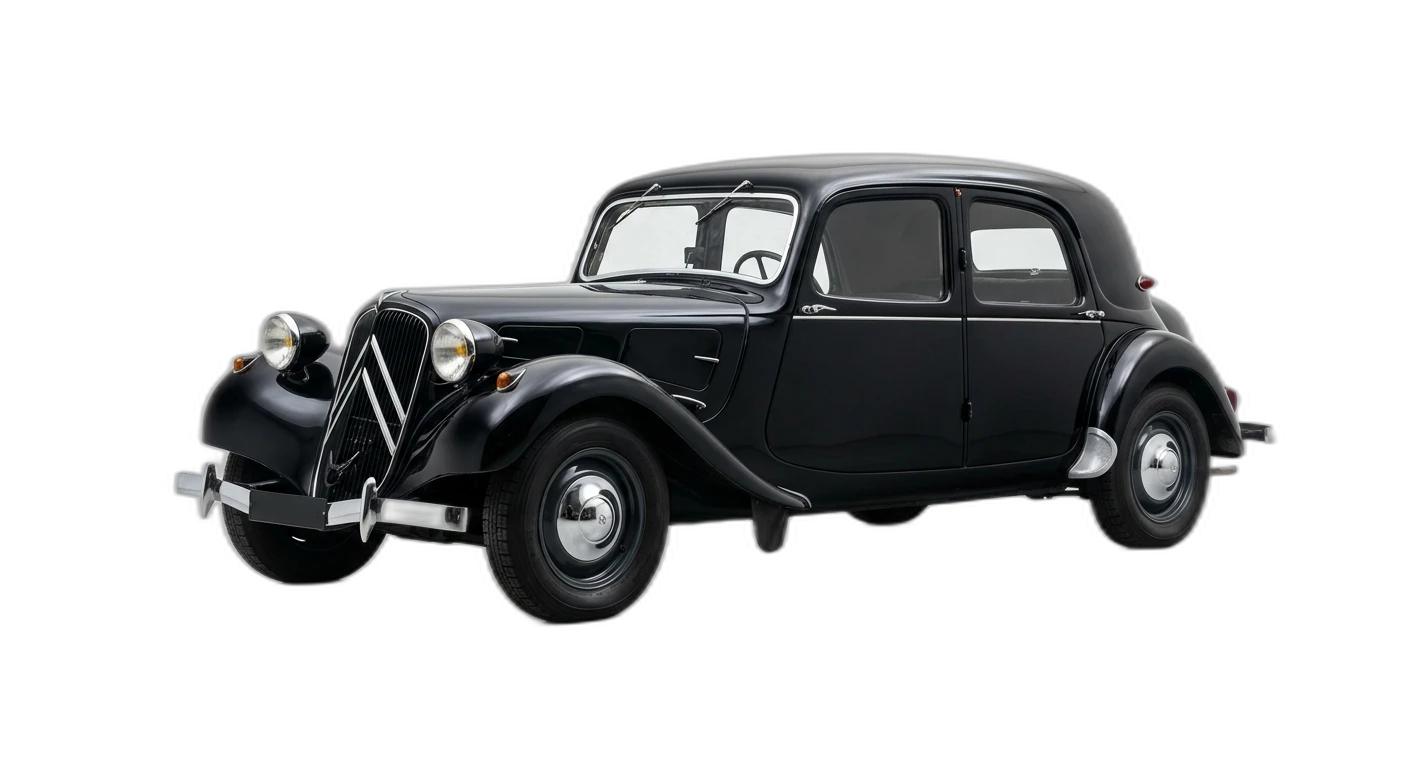
Traction Avant
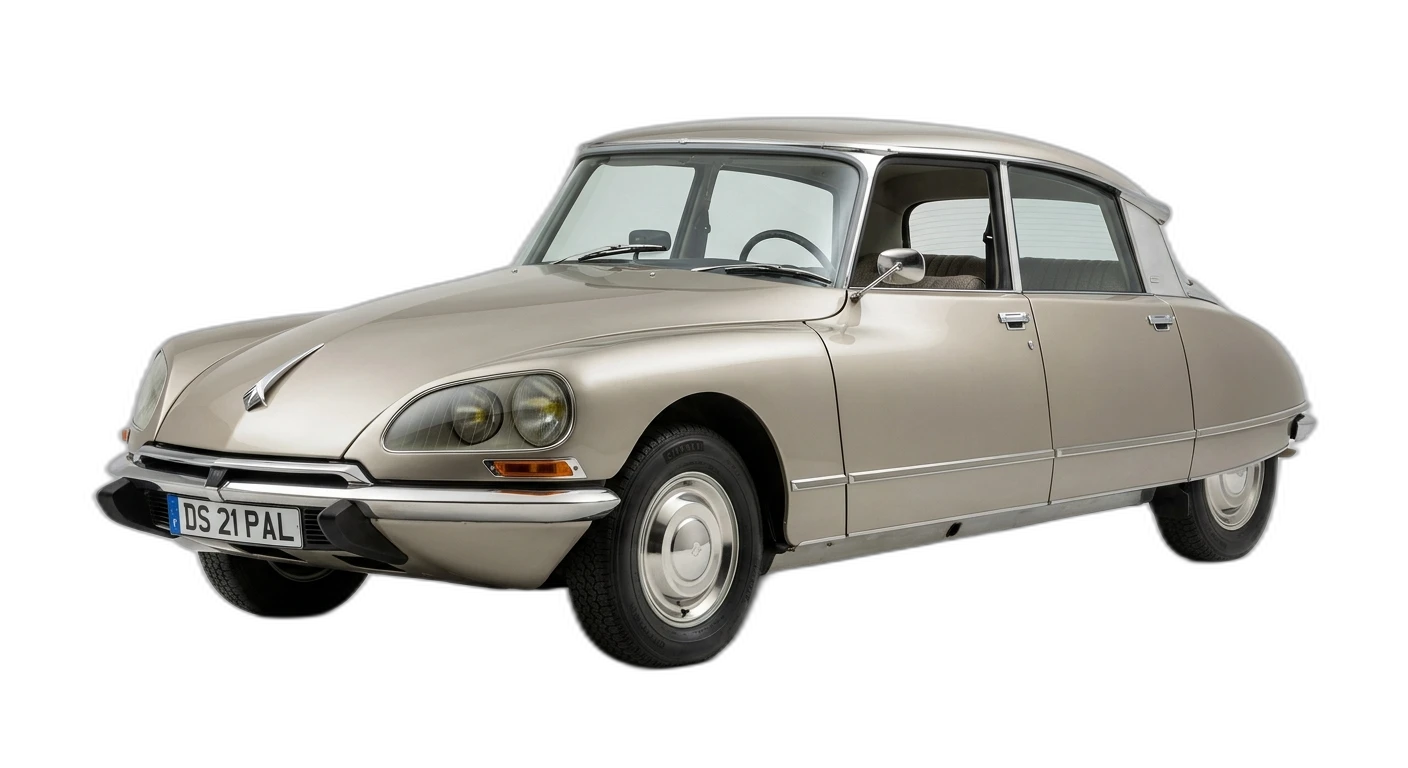
DS 21 Pallas